


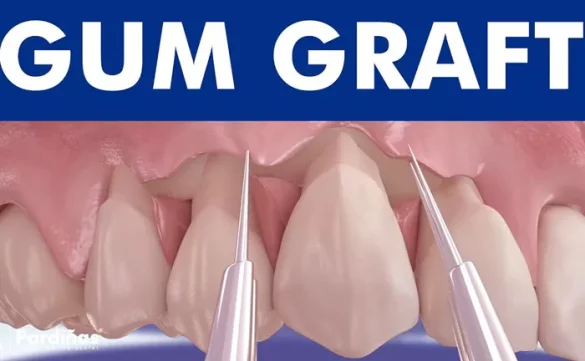
Gum grafting is a dental procedure that repairs receding gums. Receding gums expose tooth roots. This can lead to sensitivity, decay, and tooth loss. Gum grafting uses tissue, often taken from the roof of the mouth, to cover exposed roots.
The goal is to protect teeth and improve oral health. There are several types of gum grafts: connective tissue grafts, free gingival grafts, and pedicle grafts. Each type is selected based on the severity and location of gum recession.
Why Gum Grafting is Needed
Gum recession is caused by multiple factors. These include aggressive brushing, periodontal disease, genetics, and trauma. Without treatment, gum recession worsens over time. This increases the risk of tooth sensitivity and root decay. Gum grafting can restore gum health and improve the appearance of the smile. It also strengthens the gum tissue, preventing further recession.
What Medicare Covers
Medicare is the federal health insurance program for people 65 and older, or for younger people with certain disabilities. It is divided into different parts: Part A, Part B, Part C, and Part D. Medicare Part A covers hospital services. Part B covers some medical services and preventive care. Part C, or Medicare Advantage, offers additional benefits through private insurers.
Part D covers prescription medications. Medicare generally does not cover routine dental care.
Dental Coverage and Medicare
Medicare was not designed to cover routine dental procedures. This includes cleanings, fillings, crowns, dentures, and gum treatments like gum grafting. Part A and Part B rarely cover dental care unless it is related to a hospital stay. For example, if dental surgery is needed during a medically necessary hospital procedure, Medicare may pay part of the hospital costs.
However, this does not usually include the dental procedure itself. Most gum grafting procedures are considered elective or preventive, so they are usually not covered.
Situations Where Medicare May Help
There are rare cases where Medicare may help cover dental procedures indirectly. If gum grafting is needed as part of a medically necessary surgery, Medicare Part A may cover the hospital costs. For example, gum grafting may be needed after facial trauma or certain jaw surgeries. Even in these cases, Medicare usually does not pay for the dental portion. The patient may still have to pay for the gum grafting itself. It is important to check with the Medicare provider before assuming any coverage.
Medicare Advantage Plans and Dental Benefits
Medicare Advantage plans, also called Part C, are offered by private insurers approved by Medicare. Some Medicare Advantage plans include dental coverage. This may cover exams, cleanings, and sometimes more advanced dental procedures. Coverage for gum grafting is still rare. Each plan sets its own rules and limits. Patients should carefully review the plan documents to see if gum grafting is included. Dental coverage in Medicare Advantage plans may have annual maximums or restrictions based on medical necessity.
Out-of-Pocket Costs for Gum Grafting
If Medicare does not cover gum grafting, patients must pay out-of-pocket or use other insurance. The cost of gum grafting depends on the type and complexity of the procedure. On average, connective tissue grafts can cost between $600 and $1,200 per tooth. Free gingival grafts may cost a similar amount. Pedicle grafts can be slightly less expensive. Additional fees may include anesthesia, follow-up visits, and medications. Because Medicare rarely covers these costs, patients should plan for payment in advance.
Alternative Ways to Cover Gum Grafting
Patients without dental coverage have options. Dental insurance plans may cover part of gum grafting. Some plans have waiting periods or limits on coverage. Flexible spending accounts (FSAs) or health savings accounts (HSAs) can help pay for procedures with pre-tax dollars. Some dental schools offer reduced-cost gum grafting performed by supervised students.
Payment plans may also be available directly through dental offices. Patients should compare options to find the most affordable solution.
Preventing Gum Recession
Prevention is the best way to reduce the need for gum grafting. Good oral hygiene helps maintain gum health. Patients should brush gently twice a day with a soft-bristled toothbrush. Flossing daily removes plaque from areas brushing cannot reach. Regular dental check-ups can detect early gum problems. Avoiding tobacco and controlling diabetes also helps prevent gum disease. In some cases, less invasive treatments like scaling and root planing can stop gum recession before grafting is needed.
Choosing the Right Dentist for Gum Grafting
Periodontists are dentists specialized in treating gums. They have advanced training in gum grafting and related procedures. When considering gum grafting, patients should check the dentist’s experience and credentials. A consultation will include an oral exam, discussion of treatment options, and cost estimates. Patients should ask about the types of grafts offered and expected outcomes. Clear communication ensures patients understand the procedure and potential risks.
Risks and Recovery
Gum grafting is generally safe but has some risks. Common side effects include swelling, bleeding, and discomfort at the graft site. Infection is rare but possible. Healing usually takes 1–2 weeks for initial recovery. Full integration of the graft may take several months. Following the dentist’s instructions is important for successful outcomes. Patients should avoid smoking, maintain oral hygiene, and attend follow-up visits.
Conclusion
Medicare generally does not cover gum grafting. Routine dental procedures are excluded from Part A and Part B coverage.
Medicare Advantage plans may offer limited dental coverage, but gum grafting is rarely included. Patients should explore dental insurance, FSAs, HSAs, or dental schools for alternatives. Preventing gum recession through good oral care reduces the need for grafting. Consulting a periodontist ensures proper care and treatment planning. Understanding coverage and costs helps patients make informed decisions about gum grafting.