


An overbite is a dental condition where the upper front teeth overlap the lower front teeth excessively. It is also known as a deep bite. Overbite can be mild, moderate, or severe. If untreated, it can lead to teeth wear, jaw pain, and even speech problems. Braces are a common solution for correcting overbite and improving oral health and aesthetics.
Types of Overbite
1. Skeletal Overbite
Skeletal overbite is caused by jaw misalignment. It occurs when the upper jaw grows faster than the lower jaw. This type is harder to correct and may require longer treatment or even surgery in severe cases.
2. Dental Overbite
Dental overbite occurs when the teeth themselves are misaligned, but the jawbone is normally shaped. Braces can efficiently correct this type, usually within a standard treatment period.
Factors Affecting Braces Duration for Overbite
The time required for braces depends on several factors. Each patient’s condition is unique, and orthodontists must evaluate them individually. Below are the main factors that influence treatment time.
1. Severity of Overbite
Mild overbites may require less than a year of treatment, while severe overbites can take two or more years to correct. The greater the overlap of teeth, the longer the braces will be needed.
2. Type of Braces Used
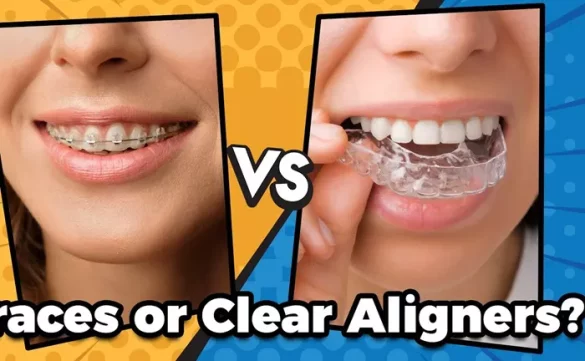
Traditional metal braces often correct overbite efficiently. Ceramic braces work similarly but may require slightly longer treatment due to friction. Clear aligners like Invisalign are convenient but may extend treatment duration if teeth movements are complex.
3. Age of the Patient
Children and teenagers generally respond faster to braces because their jaws are still growing. Adults may require more time, as bone remodeling is slower. Early intervention often reduces the treatment period.
4. Patient Compliance
Following orthodontist instructions, wearing elastics, and attending regular appointments are crucial. Poor compliance can extend treatment time significantly.
5. Additional Dental Issues
Conditions such as crowding, spacing, or impacted teeth can increase the duration of treatment. Sometimes, teeth extractions or additional appliances may be needed before braces can fully correct the overbite.
Average Duration for Braces to Correct Overbite
On average, braces for overbite correction take between 12 to 36 months. Here is a breakdown based on overbite severity:
1. Mild Overbite
Mild overbites can often be corrected in 12 to 18 months. Treatment may involve minor adjustments and occasional use of elastics to guide bite alignment.
2. Moderate Overbite
Moderate overbites usually require 18 to 24 months. The orthodontist may use braces in combination with elastics, bite plates, or other appliances to gradually move teeth into correct positions.
3. Severe Overbite
Severe overbites may take 24 to 36 months or more. In some cases, orthognathic surgery is recommended to reposition the jaws before or during orthodontic treatment. This can significantly increase the total treatment time.
Braces Treatment Process for Overbite
The correction process involves several steps. Understanding the process can help patients anticipate the duration and requirements.
1. Initial Consultation
The orthodontist evaluates the bite, takes X-rays, and discusses treatment options. A plan is created based on overbite severity, age, and oral health.
2. Preparation
Sometimes teeth need to be cleaned, extractions performed, or spacers placed. Preparation ensures braces can work effectively and reduces treatment complications.
3. Braces Placement
Brackets are bonded to teeth, and archwires are attached. The orthodontist may also use elastics to correct overbite. Initial adjustments are made to start tooth movement.
4. Regular Adjustments
Patients visit the orthodontist every 4 to 8 weeks for adjustments. Wires may be tightened, elastics replaced, and progress monitored. Compliance with appointments is crucial for timely treatment.
5. Mid-Treatment Modifications
Depending on progress, the orthodontist may use additional appliances like bite plates, rubber bands, or temporary anchorage devices. These tools help correct the overbite efficiently.
6. Completion and Retention
Once teeth and bite are aligned, braces are removed. Patients then wear retainers to maintain results. Retainers are usually worn full-time for the first few months and then only at night.
Tips to Shorten Braces Duration
Patients can take steps to ensure faster and safer overbite correction.
1. Follow Orthodontist Instructions
Wearing elastics and appliances as prescribed is essential. Ignoring instructions can delay progress.
2. Maintain Good Oral Hygiene
Braces can trap food, leading to plaque and tooth decay. Healthy teeth move faster and reduce treatment complications.
3. Avoid Hard and Sticky Foods
Foods that damage brackets or wires can prolong treatment. Eating soft foods reduces the risk of emergencies that disrupt the schedule.
4. Attend All Appointments
Regular checkups allow timely adjustments and prevent delays. Missing appointments can add months to the treatment period.
5. Consider Accelerated Orthodontics
Some clinics offer techniques like vibration therapy or minor surgical procedures that accelerate tooth movement. These can shorten treatment time but should be discussed with your orthodontist.
Potential Complications if Treatment is Delayed
Delaying overbite correction can cause long-term problems.
1. Tooth Wear
Excessive overlap can lead to enamel erosion and increase the risk of cavities.
2. Jaw Pain
Misaligned bites can strain the jaw muscles and temporomandibular joint, leading to pain or headaches.
3. Speech Issues
Severe overbites can interfere with proper tongue movement, causing speech difficulties.
4. Gum Health Problems
Improper bite alignment can lead to gum recession or periodontal issues over time.
Conclusion
The duration of braces for overbite correction varies depending on overbite severity, age, type of braces, compliance, and additional dental issues. Mild overbites can be corrected in 12 to 18 months, moderate overbites in 18 to 24 months, and severe overbites may take 24 to 36 months or longer. Proper oral care, compliance with orthodontist instructions, and regular appointments are key to achieving the best results in the shortest possible time. Early evaluation and intervention can simplify treatment and improve overall oral health and appearance.