


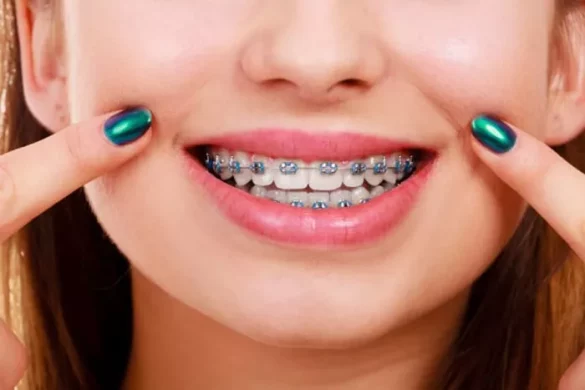
The jawline plays a critical role in facial aesthetics. A defined jawline can improve facial symmetry and boost confidence. Many people seek ways to change their jawline for cosmetic or functional reasons. Jawline changes can be achieved through natural methods, orthodontics, dermal treatments, or surgical interventions. In this article, we explore all options in detail.
Understanding Jawline Anatomy
The jawline is formed by the lower jawbone, called the mandible. It includes the chin, jaw angles, and surrounding muscles.
Key muscles include the masseter and the temporalis, which contribute to jaw strength and shape. Fat deposits and skin elasticity also influence jawline definition. Knowing the anatomy helps in choosing the right method for jawline enhancement.
Bone Structure and Mandible Shape
The mandible provides the foundation of the jawline. Its width, angle, and projection determine facial harmony. Genetics largely dictate bone structure. Surgical or orthodontic methods can modify the mandible to achieve a more defined jawline.
Muscles Affecting Jaw Contour
The masseter muscle, located at the jaw’s angle, impacts facial width. Overdeveloped masseters create a square appearance, while weak muscles can lead to a soft, undefined jawline. Muscle-targeted treatments and exercises can refine jawline contours.
Fat and Skin Influence
Excess facial fat can obscure the jawline. Skin laxity with aging reduces jaw definition. Non-surgical methods, including fat reduction and skin tightening, can help achieve a more sculpted jawline.
Non-Surgical Methods to Change Your Jawline
Many people prefer non-invasive methods to improve their jawline. These methods are safe, low-risk, and can gradually enhance appearance.
Jawline Exercises
Targeted exercises strengthen jaw muscles and improve facial definition. Common exercises include:
Chin Lifts: Tilt your head back and lift your chin toward the ceiling. Repeat 10–15 times daily.
Jaw Clenches: Clench your teeth and hold for a few seconds, then relax. Repeat several times to tone masseter muscles.
Neck Resistance Exercises: Place your hand under the chin and push downward while resisting with your jaw muscles.
Consistency over months is needed for noticeable results. These exercises improve muscle tone but do not alter bone structure.
Weight Management
Reducing overall body fat can enhance jawline visibility. Fat around the lower face can hide natural bone contours. Combining cardio exercises with a healthy diet improves jawline definition.
Facial Massage
Massage techniques can reduce fluid retention and improve circulation. This can temporarily create a slimmer appearance. Techniques include:
- Massaging from the chin to the ears in circular motions.
- Using tools like jade rollers to stimulate lymphatic drainage.
Skincare and Topical Treatments
Firming creams containing collagen or retinoids can improve skin elasticity. While they do not reshape the jawbone, they help maintain a tighter, more defined jawline over time.
Orthodontic Approaches: Braces and Jawline Changes
Braces and orthodontic appliances can affect jaw alignment and facial profile. Correcting bite issues often improves jawline appearance.
Braces and Bite Correction
Malocclusion, or misaligned teeth, can cause uneven jaw development. Braces can:
- Shift teeth to improve bite alignment.
- Correct overbite, underbite, or crossbite.
- Enhance symmetry of the lower face.
Over time, these changes can create a more balanced jawline and refined chin appearance. Orthodontic treatment may take 12–36 months depending on severity.
Jaw Expanders and Functional Appliances
Devices like palatal expanders or mandibular advancement devices are used to modify jaw growth in adolescents. They can:
- Encourage proper jaw positioning.
- Improve facial harmony.
- Reduce the need for future surgical correction.
Non-Surgical Cosmetic Procedures
Dermal fillers and botulinum toxin treatments are popular for jawline enhancement without surgery.
Dermal Fillers
Injectable fillers, usually hyaluronic acid-based, can:
- Add volume to the jawline.
- Enhance chin projection.
- Sculpt the lower face for symmetry.
Results are immediate and last 12–18 months. Careful placement is critical to avoid unnatural appearance.
Botulinum Toxin (Botox)
Botox injections can relax masseter muscles. This reduces jaw width for a slimmer, oval-shaped face. Effects last 3–6 months and require repeat treatments. Ideal for patients with square jawlines caused by muscle overdevelopment.
Skin Tightening Treatments
Non-invasive methods like radiofrequency or ultrasound therapy stimulate collagen production. This tightens skin along the jawline and under the chin. Multiple sessions may be needed for noticeable improvement.
Surgical Options for Jawline Reshaping
Surgical procedures provide permanent changes. These are suitable for significant bone or soft tissue correction.
Chin Surgery (Genioplasty)
Chin surgery modifies the shape or size of the chin. It can:
- Advance a weak chin for better facial balance.
- Reduce a protruding chin for harmony.
- Create a sharper jawline by adjusting bone structure.
Recovery takes 2–4 weeks, with final results visible in a few months.
Jaw Surgery (Orthognathic Surgery)
Orthognathic surgery corrects severe jaw misalignment. It involves repositioning the upper jaw, lower jaw, or both. Benefits include:
- Improved bite function.
- Enhanced jawline definition.
- Correction of asymmetry or deformities.
This surgery requires careful planning with an orthodontist and oral surgeon. Recovery can take 6–12 weeks, with long-term aesthetic benefits.
Liposuction and Neck Contouring
Excess fat in the submental area can obscure the jawline. Liposuction or fat removal procedures can:
- Create a more defined jawline.
- Reduce double chin appearance.
- Complement other surgical or non-surgical procedures.
Combining Methods for Optimal Results
Often, the best results come from combining techniques. For example:
- Braces to correct bite.
- Botox for masseter slimming.
- Dermal fillers to enhance chin projection.
- Liposuction to remove excess fat under the chin.
Consulting with a multidisciplinary team ensures safe, effective, and personalized results.
Maintenance and Long-Term Care
Jawline changes require ongoing care to maintain results. Tips include:
- Regular dental checkups to maintain bite alignment.
- Consistent jaw exercises to keep muscles toned.
- Healthy diet and exercise to control facial fat.
- Periodic touch-ups for fillers or Botox treatments.
Conclusion
Changing your jawline is possible through multiple methods. Non-surgical options like exercises, weight management, fillers, and Botox offer gradual improvement. Orthodontic treatments can reshape jaw structure over time. Surgical procedures provide permanent and dramatic changes. Choosing the right method depends on your goals, anatomy, and professional advice. A defined jawline enhances facial harmony and boosts confidence. Always consult with qualified dental and medical professionals to ensure safe and effective outcomes.