


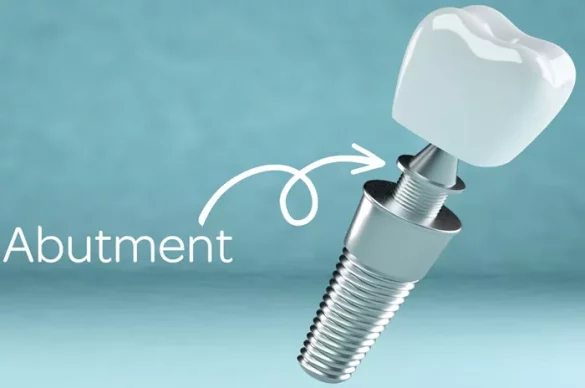
An implant abutment is a crucial part of the dental implant system. It connects the dental implant, which is embedded in the jawbone, to the visible dental crown. Understanding its appearance, structure, and types can help patients feel more confident about implant procedures.
The Role of an Implant Abutment in Dental Implants
Dental implants consist of three main components: the implant itself, the abutment, and the crown. The implant acts as a root, the abutment as a connector, and the crown as the visible tooth. The abutment ensures that the crown is securely attached and aligned properly for function and aesthetics.
Connector Between Implant and Crown
The abutment serves as the link between the titanium implant in the jawbone and the prosthetic crown. Without an abutment, the crown cannot be properly fixed. It also helps distribute chewing forces evenly, preventing damage to the implant or surrounding teeth.
Supports Proper Tooth Alignment
Implant abutments are designed to maintain correct alignment. They allow dentists to adjust the angulation of the crown, especially when implants are placed at an angle due to bone limitations. This ensures both function and aesthetics.
Materials Used for Implant Abutments
Implant abutments are made from various materials. Each material has unique properties that affect durability, appearance, and biocompatibility.
Titanium Abutments
Titanium is the most common material for abutments. It is strong, lightweight, and highly biocompatible. Titanium abutments have a metallic gray color and are ideal for posterior teeth where aesthetics are less critical.
Zirconia Abutments
Zirconia abutments are tooth-colored and offer excellent aesthetics. They are often used in the front of the mouth to provide a natural appearance. Zirconia is also biocompatible and resistant to corrosion, although it is less flexible than titanium.
Hybrid Abutments
Hybrid abutments combine titanium and zirconia. Typically, the base is titanium for strength, and the visible part is zirconia for aesthetics. This design ensures durability while maintaining a natural look.
Shapes and Designs of Implant Abutments
Implant abutments come in various shapes and sizes. The design depends on the location of the implant, type of crown, and aesthetic requirements.
Stock Abutments
Stock abutments are prefabricated and come in standard sizes. They are cost-effective and suitable for many cases, especially when the implant position is ideal. They may have straight or angled designs to accommodate different angles of placement.
Custom Abutments
Custom abutments are designed for individual patients. They are often used when the implant is not perfectly aligned or when aesthetics are a priority. Custom abutments are created using digital scans or impressions to fit the mouth precisely.
Straight vs. Angled Abutments
Straight abutments are used when implants are properly aligned. Angled abutments correct implant angulation, allowing the crown to sit naturally in the dental arch. This is especially useful for posterior teeth or cases with limited bone volume.
Visual Appearance of Implant Abutments
Understanding what an implant abutment looks like can help patients visualize the dental implant process.
External Appearance
Externally, an abutment resembles a small post or cylinder. The part that connects to the crown often tapers slightly.
Titanium abutments are metallic gray, while zirconia abutments are white or tooth-colored.
Internal Connection
The internal part of the abutment fits into the implant. It usually has grooves, a hexagonal shape, or a conical design to lock securely into the implant. This ensures stability and prevents rotation of the crown.
Visible Portion
The visible part of the abutment emerges above the gumline. This portion is shaped to support the crown properly, allowing the dentist to create a natural-looking tooth. In the front of the mouth, zirconia or hybrid abutments are preferred for aesthetics.
Sizes and Dimensions
Implant abutments vary in height, diameter, and taper. The size depends on the implant system, location, and the thickness of surrounding soft tissue.
Height
The height of an abutment must be sufficient to support the crown without interference from the gums. Short abutments are used in shallow tissue areas, while taller abutments provide better support in deeper areas.
Diameter
The diameter of an abutment matches the implant and crown. Narrow abutments are used for front teeth, and wider abutments for molars. Proper diameter ensures strength and prevents crown loosening.
Taper and Angulation
Abutments can be tapered or straight. Angled abutments correct misaligned implants, ensuring the crown sits naturally.
Proper taper also facilitates easy placement of the crown and reduces stress on the implant.
How Abutments Are Placed
Placing an implant abutment is a precise procedure performed by a dental professional.
Healing Abutments
After the implant integrates with the jawbone, a healing abutment is temporarily placed. This helps shape the gum tissue around the implant for proper crown placement.
Permanently Placed Abutments
Once healing is complete, the permanent abutment is attached. The dentist checks the fit and alignment. The crown is then fixed on top of the abutment, completing the restoration.
Screw-Retained vs. Cemented Abutments
Screw-retained abutments are attached using a small screw through the crown. Cemented abutments use dental cement to secure the crown. Both methods have advantages depending on accessibility and aesthetics.
Factors Affecting the Choice of Abutment
Several factors determine which abutment to use for a patient.
Location of the Tooth
Front teeth require more aesthetic abutments, like zirconia or hybrid types. Back teeth need stronger materials, usually titanium, to withstand chewing forces.
Gum Tissue Thickness
Thicker gum tissue can hide metallic abutments, while thin tissue may require tooth-colored abutments to avoid grayish appearance at the gumline.
Angulation of the Implant
Misaligned implants may require angled abutments. Proper selection ensures the crown sits correctly and prevents stress on the implant.
Patient’s Bite and Function
Strong bite forces require durable abutments. The dentist evaluates chewing habits to select the appropriate material and design for long-term success.
Maintenance and Care
Proper care of implant abutments ensures long-term success of the dental implant.
Oral Hygiene
Patients should brush and floss around the abutment and crown. Special brushes or floss threaders can help clean the area effectively.
Regular Dental Visits
Regular check-ups allow the dentist to monitor the abutment and crown. Any signs of loosening or gum irritation can be addressed early.
Avoiding Excessive Force
Patients should avoid biting hard objects with the implant. Excessive force can damage the abutment or crown, leading to costly repairs.
Signs of a Problem with the Abutment
Recognizing issues early can prevent implant failure.
Loosening
If the abutment feels loose, it can compromise crown stability. Patients should contact their dentist immediately.
Gum Inflammation
Redness, swelling, or bleeding around the abutment may indicate infection or irritation. Proper cleaning and dental intervention are necessary.
Wear or Damage
Visible cracks, discoloration, or wear on the abutment may reduce its strength. Timely replacement or adjustment ensures the longevity of the implant.
Conclusion
An implant abutment is a small but vital component of a dental implant. Its material, shape, and placement directly affect the function and appearance of the crown. Understanding what an abutment looks like, how it works, and how it is maintained can help patients make informed decisions about dental implants. Proper selection, placement, and care of abutments contribute to the long-term success of dental implant treatments, ensuring both aesthetics and oral health.