


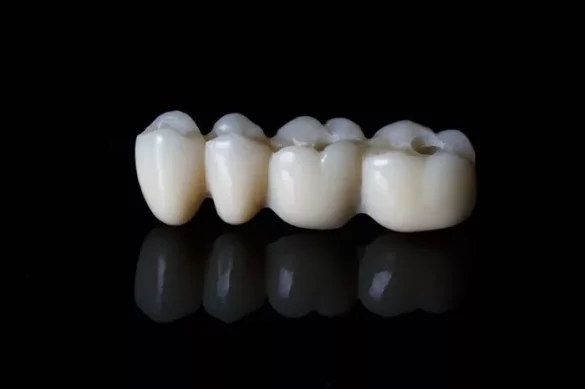
Temporary crowns are dental restorations used to protect a tooth while a permanent crown is being made. They cover the prepared tooth, maintain function, and protect the tooth from sensitivity or damage. Although they are not designed to be permanent, temporary crowns play an essential role in the dental restoration process.
Understanding the lifespan of a temporary crown is critical for proper dental care and avoiding complications such as discomfort, decay, or crown displacement. Several factors can influence how long a temporary crown lasts, and patients should be aware of these to maintain oral health.
Purpose of a Temporary Crown
Temporary crowns serve several important functions:
Protection: They protect the prepared tooth from exposure to bacteria, food particles, and temperature changes.
Function: Temporary crowns allow normal chewing and speaking while waiting for the permanent crown.
Appearance: They maintain the tooth’s natural appearance, preventing aesthetic concerns.
Space Maintenance: Temporary crowns help keep the surrounding teeth in position and prevent misalignment.
Average Lifespan of a Temporary Crown
The average lifespan of a temporary crown is typically between two weeks and three months. Most dentists schedule permanent crown placement within this period to ensure optimal results. Some temporary crowns may last longer if carefully maintained, but they are not designed to withstand long-term use like permanent crowns.
It is important to remember that the temporary crown’s longevity depends on material quality, patient habits, and dental conditions.
Factors Affecting Temporary Crown Longevity
1. Material Used
Temporary crowns can be made from different materials, including acrylic, composite resin, or stainless steel. Each material has its durability and aesthetic properties:
Acrylic: Affordable and easy to shape but less durable under chewing pressure.
Composite Resin: Stronger than acrylic and more natural in appearance, but may wear faster with heavy biting.
Stainless Steel: Rarely used for temporary crowns in adults; more common for pediatric dentistry.
2. Tooth Location
Molars and premolars endure higher chewing forces, which can reduce the lifespan of temporary crowns. Front teeth typically experience less stress, so temporary crowns in these areas may last longer.
3. Oral Hygiene
Maintaining good oral hygiene is crucial for the longevity of a temporary crown. Plaque and food particles can accumulate around the crown edges, causing irritation or decay. Brushing gently around the crown and using floss carefully can extend its lifespan.
4. Bite Pressure and Habits
Patients who clench or grind their teeth may experience premature wear or loosening of a temporary crown. Avoiding hard foods, chewing ice, or sticky candies can reduce the risk of damage.
5. Dental Preparation Quality
The precision of the dental preparation affects crown stability. Well-prepared teeth allow the temporary crown to fit snugly and reduce the risk of dislodgement. Improper fit may lead to crown loosening, gaps, and sensitivity.
Signs Your Temporary Crown Needs Attention
Recognizing early signs of problems with a temporary crown is important for preventing complications:
Discomfort or Pain: Persistent pain when chewing or biting may indicate crown loosening or decay under the temporary crown.
Movement: If the crown feels loose or shifts when touched, contact your dentist immediately.
Chipping or Fracture: Temporary crowns can chip or crack, especially when exposed to hard or sticky foods.
Gum Irritation: Redness or swelling around the crown can indicate irritation or infection.
Proper Care for Temporary Crowns
1. Oral Hygiene Practices
Clean your teeth and crown gently with a soft-bristled toothbrush. Use a fluoride toothpaste to prevent decay. Floss carefully by sliding the floss out rather than lifting it up, which can dislodge the crown.
2. Dietary Recommendations
Avoid hard, sticky, or chewy foods such as nuts, caramel, and gum. These can cause the temporary crown to crack or come off. Eating on the opposite side of the mouth from the crown can reduce stress and prevent damage.
3. Monitoring and Follow-Up
Regular dental visits are essential. Your dentist will check the crown’s fit and ensure the tooth underneath remains healthy. Any early signs of problems can be addressed before permanent crown placement.
Potential Complications with Temporary Crowns
1. Dislodgement
Temporary crowns can sometimes fall off due to poor fit, adhesive failure, or biting pressure. If this happens, contact your dentist immediately to have it re-cemented or replaced.
2. Tooth Sensitivity
Sensitivity to hot, cold, or pressure is common with temporary crowns. It usually resolves once the permanent crown is placed. Persistent sensitivity may indicate underlying dental issues.
3. Gum Irritation or Infection
Ill-fitting crowns can trap food and bacteria, causing inflammation or infection. Maintaining oral hygiene and visiting your dentist can prevent these issues.
4. Decay of the Underlying Tooth
If the temporary crown becomes loose or is left in place too long, bacteria can enter and cause tooth decay. Timely placement of a permanent crown is essential to avoid further damage.
Tips for Extending the Lifespan of Temporary Crowns
- Follow your dentist’s instructions carefully regarding diet and oral hygiene.
- Avoid using the temporary crown to bite hard objects.
- Check for looseness regularly and contact your dentist if any issue arises.
- Attend all follow-up appointments to ensure proper care and timely placement of the permanent crown.
Temporary Crown vs Permanent Crown
Temporary crowns differ significantly from permanent crowns in material and durability:
Material Strength: Temporary crowns are weaker and designed for short-term use.
Fit: Permanent crowns are precisely crafted to fit perfectly and withstand chewing forces.
Lifespan: While temporary crowns last weeks to months, permanent crowns can last 10-15 years or longer with proper care.
When to Replace a Temporary Crown
Replacement may be necessary under certain circumstances:
- If the crown falls off and cannot be re-cemented immediately.
- If the crown is cracked, chipped, or worn down significantly.
- If there is persistent pain, sensitivity, or infection under the crown.
Conclusion
Temporary crowns are vital for protecting and maintaining the function of a tooth while waiting for a permanent restoration. Their lifespan ranges from two weeks to three months, depending on material, placement, oral hygiene, and patient habits. Proper care and timely dental follow-up ensure that the temporary crown fulfills its purpose without complications.