


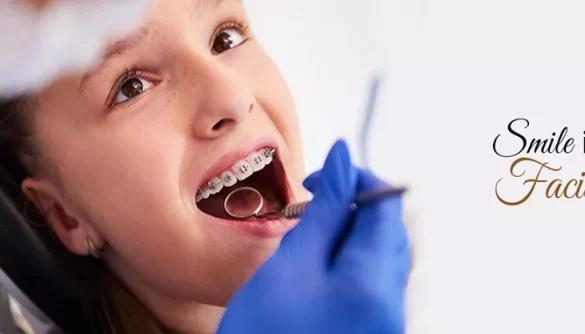
Braces are dental devices designed to correct misaligned teeth and jaw structures. While their primary goal is to improve oral function and dental health, braces also influence the appearance of the face. Many patients notice a slimmer facial look during and after orthodontic treatment. This change is linked to shifts in the jaw, lips, and cheek areas caused by tooth movement.
How Braces Affect Jaw Alignment
The position of your jaw plays a key role in facial aesthetics. Malocclusion, or misaligned teeth, can cause the jaw to protrude or appear wider. Braces gradually shift the teeth into proper alignment, which allows the jaw to sit more naturally.
This improved alignment can reduce the prominence of the jawline, making the lower face appear narrower and more defined.
Correction of Overbite and Underbite
Overbites and underbites affect how the upper and lower jaws meet. Braces correct these issues by adjusting teeth and jaw positions. When the bite is corrected, the lips and cheeks follow the new alignment. This can result in a less rounded face and a visually slimmer appearance. Patients often notice that their smile looks more balanced and their facial profile smoother.
Impact on Cheek Muscles and Fat Distribution
When teeth are misaligned, chewing may be uneven, which can overdevelop certain muscles or create asymmetry in the face. Braces promote even chewing and balanced muscle use. Over time, this can slightly reduce the puffiness of the cheeks and give the face a slimmer, more proportional look.
Changes in Facial Soft Tissues
The movement of teeth affects not only bones but also soft tissues like lips, cheeks, and surrounding skin. As teeth shift into correct positions, the lips may sit differently, and the cheeks can appear less full. These subtle changes enhance facial symmetry and contribute to a leaner facial contour.
Lip Position and Facial Profile
Braces often push or pull teeth to ideal positions. This adjustment changes how the lips rest naturally. For example, a protruding upper jaw may cause the lips to stick out. Correcting this alignment allows the lips to settle inward, making the midface appear more compact and refined.
Reduction of Facial Bulges
Some patients carry extra tissue or fat in the lower cheeks due to jaw misalignment. By repositioning the teeth, braces can indirectly reduce these bulges. While braces do not remove fat, the structural adjustments can create the illusion of a slimmer face. This effect is more noticeable in patients with mild facial fullness.
The Role of Orthodontic Mechanics
Braces use wires, brackets, and sometimes elastics to guide teeth into optimal positions. These forces affect not just individual teeth but also the surrounding bones and soft tissues. By gradually changing the structure of the mouth, braces influence the overall shape of the face. The process is slow and controlled, allowing tissues to adapt naturally, which is why patients notice gradual slimming over months or years.
Arch Expansion and Narrowing
Orthodontists sometimes expand or narrow the dental arch to improve bite and alignment. Narrowing the dental arch can bring the teeth closer together, subtly reducing the width of the lower face. Expansion, on the other hand, can improve proportions in patients with very narrow arches, creating a balanced and aesthetically pleasing facial appearance.
Vertical Tooth Movement
Braces can also change the vertical positioning of teeth. Moving teeth upward or downward affects the height of the bite and how the cheeks and lips are supported. Correct vertical alignment can make the face appear longer and slimmer, enhancing facial harmony.
Weight Loss vs. Braces Effects
It is important to note that braces themselves do not directly cause weight loss. Any facial slimming effect is mainly due to changes in dental and skeletal structure. However, some patients may experience minor changes in diet or eating habits during orthodontic treatment, which can contribute slightly to overall facial appearance. The primary reason for a slimmer face after braces is structural correction rather than fat reduction.
Individual Factors That Influence Facial Slimming
Not all patients will experience the same degree of facial slimming. Factors that influence changes include:
Age: Younger patients have more adaptable bone and soft tissue structures.
Severity of misalignment: Larger corrections often lead to more noticeable facial changes.
Jaw shape: Patients with rounder or broader jaws may notice more slimming.
Facial fat distribution: Less facial fat may make structural changes more visible.
When to Expect Changes in Your Face
Facial changes occur gradually throughout orthodontic treatment. Most patients begin to notice subtle differences within a few months of wearing braces. Maximum changes are typically visible after the treatment is complete, which can range from 18 months to 3 years depending on individual circumstances and the complexity of the orthodontic plan.
Conclusion
Braces can make your face appear slimmer due to structural changes in the teeth, jaws, and soft tissues. While they do not directly remove facial fat, the alignment of teeth and correction of bite can enhance facial symmetry, reduce cheek prominence, and improve overall facial aesthetics. Understanding these effects can help patients appreciate the full benefits of orthodontic treatment beyond just a straight smile.