


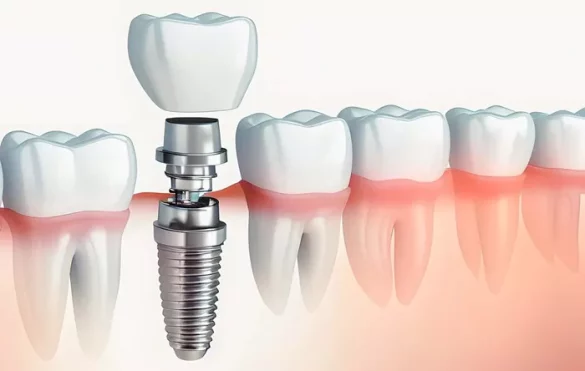
Dental implants are a popular and effective solution for replacing missing teeth. They are designed to function like natural teeth and can last many years if properly cared for. However, like any medical procedure, dental implants can sometimes fail. Understanding when and why dental implants may fail helps patients and dental professionals take preventative measures.
Overview of Dental Implant Stages
Dental implants typically go through several stages from placement to full integration. Failure can occur at different points depending on several factors. The main stages are:
Initial healing stage – immediately after placement.
Osseointegration stage – the period during which the bone grows around the implant.
Prosthetic stage – after the crown, bridge, or denture is attached.
Long-term maintenance stage – when the implant is in regular use.
Early Failure: The Initial Healing Stage
Early dental implant failure occurs within the first few months after placement. This stage is critical because the implant is not yet stabilized in the jawbone.
Causes of Early Failure
Several factors can cause early implant failure:
Poor bone quality – weak or insufficient bone can prevent the implant from stabilizing.
Infection – bacteria can invade the surgical site, leading to peri-implantitis.
Excessive pressure – placing the implant under too much force too early can disrupt healing.
Smoking – nicotine reduces blood flow and slows healing.
Systemic conditions – diabetes or immune deficiencies can impair recovery.
Signs of Early Failure
Symptoms indicating early failure include:
- Severe pain at the implant site.
- Swelling or redness of the gums.
- Mobility of the implant.
- Persistent infection or pus formation.
Failure During Osseointegration
Osseointegration is the process where the jawbone fuses with the dental implant. It usually takes 3 to 6 months. Failure at this stage prevents the implant from becoming stable and can result in removal.
Factors Contributing to Osseointegration Failure
Bone resorption – bone may not grow properly around the implant.
Micromovement – small movements during healing can prevent bonding.
Improper placement – angle, depth, or position errors can hinder integration.
Excessive load – chewing too soon may disrupt bone healing.
Medical conditions – osteoporosis or uncontrolled diabetes affect bone health.
Prevention Tips
Dental professionals can reduce risk by:
- Careful treatment planning and imaging.
- Using bone grafts when needed.
- Ensuring proper surgical technique and sterilization.
- Advising patients to avoid smoking and follow post-operative care.
Prosthetic Stage Failures
Once the implant has integrated, a crown, bridge, or denture is attached. Failures at this stage are usually mechanical rather than biological.
Common Causes of Prosthetic Failure
Improper bite alignment – can lead to uneven force distribution.
Loosening of the abutment – the connector between implant and prosthetic can loosen.
Fracture of the prosthetic – porcelain or ceramic crowns may chip or break.
Excessive wear – grinding or clenching teeth can damage the implant restoration.
Prevention Measures
Patients and dentists can prevent prosthetic failure by:
- Checking bite alignment regularly.
- Using protective night guards for bruxism.
- Scheduling routine dental check-ups for maintenance.
- Replacing worn components as needed.
Long-Term Failures: Maintenance Stage
Even after successful placement and restoration, implants can fail in the long term. These failures are often related to biological complications or poor maintenance.
Peri-Implantitis
Peri-implantitis is a common cause of late implant failure. It is an inflammatory condition affecting the gum and bone around the implant. Symptoms include:
- Gum swelling and bleeding.
- Bone loss around the implant.
- Mobility of the implant.
- Pain or discomfort while chewing.
Systemic Health Factors
Chronic diseases can impact implant success over time:
- Diabetes increases risk of infection and bone loss.
- Osteoporosis can weaken the jawbone.
- Heart disease or immune disorders can slow healing and recovery.
Lifestyle Factors
Patient habits also influence long-term implant survival:
- Smoking reduces blood flow to the gums.
- Poor oral hygiene can lead to plaque buildup and peri-implantitis.
- Excessive alcohol consumption may affect bone health.
Recognizing Signs of Implant Failure
Early recognition of problems increases the chances of saving the implant. Key signs include:
- Persistent pain or discomfort at the site.
- Loose implant or movement when chewing.
- Gum recession or inflammation.
- Bone loss visible on X-rays.
- Difficulty in maintaining oral hygiene around the implant.
Prevention and Care Strategies
Maintaining dental implants involves cooperation between the dentist and patient. Strategies include:
- Routine dental visits for professional cleaning and assessment.
- Daily brushing and flossing around the implant.
- Using antimicrobial mouth rinses when recommended.
- Addressing teeth grinding with night guards.
- Managing chronic conditions such as diabetes.
Conclusion
Dental implants can fail at different stages, including initial healing, osseointegration, prosthetic placement, and long-term use. Early failures are usually surgical or bone-related, while late failures often involve peri-implantitis, mechanical issues, or systemic health factors. Understanding these stages helps patients and dental professionals prevent complications, ensure proper care, and improve implant longevity. With careful planning, proper oral hygiene, and regular follow-up, most dental implants can provide decades of reliable function.