


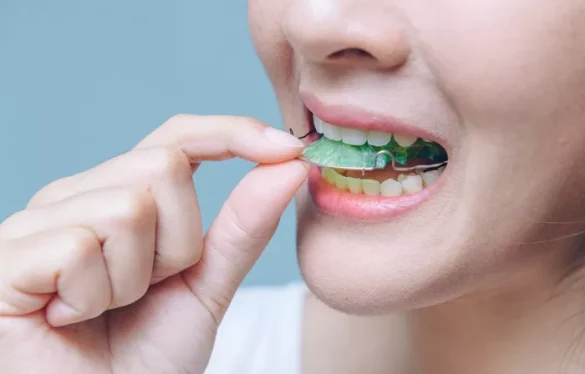
Teeth move because they sit in bone supported by periodontal ligaments. These ligaments are elastic. They stretch during orthodontic treatment. They do not stabilize immediately. They attempt to return to their previous position. This biological tendency is called relapse. Retainers hold teeth in the corrected position. They guide new bone formation. They help the ligaments reorganize. Without consistent use, teeth shift. The degree varies for everyone. The timeline varies as well.
How Soon Teeth Begin Moving Without a Retainer
Movement can start quickly. In many cases, it begins within 24 to 48 hours. Some individuals notice subtle changes in a few days. Others see movement after a week. The risk depends on how long ago treatment ended. The risk is highest in the first year. The first three months are the most unstable. Teeth are highly mobile during this period. They respond quickly to pressure and absence of support.
After 24 Hours Without a Retainer
Minor shifts may begin. The bite may feel slightly different. Pressure on the retainer may increase. It may feel tighter when reinserted. This tightness shows movement has begun. The shift is often small. It is usually reversible if corrected quickly. Returning to normal wear usually stabilizes the situation.
After 48 Hours Without a Retainer
Shifting becomes more noticeable. The ligaments relax. The teeth drift subtly. The arch shape may begin to change. The retainer may feel uncomfortable. In some cases, the retainer may not fit fully. The upper arch usually changes more slowly.
The lower teeth shift faster. They are smaller and more crowded.
After One Week Without a Retainer
Teeth can move enough to alter alignment. Slight rotation is common. Gaps may appear or close. Crowding may increase.
The retainer may feel very tight. It may not seat properly. In mild cases, persistence can help. In more severe cases, re-fitting or new impressions may be necessary. Orthodontic retreatment may be needed for larger shifts.
After One Month Without a Retainer
Major changes often occur. The ligaments reorganize. The teeth settle in new positions. These changes may not be reversible. The bite relationship can alter. The smile line may look different. Retreatment may become the only solution.
Many orthodontists report relapse at this stage. They also report discomfort when reinserting an old retainer. This discomfort indicates changes that have set in.
After Several Months Without a Retainer
Orthodontic results can be lost. Shifting becomes significant. Gaps return. Overbite or underbite can resurface. Crowding reappears. The overall alignment weakens. Only new orthodontic treatment corrects these issues. Retainers alone cannot reverse such changes. Teeth become fully adapted to their new positions.
Factors That Influence How Fast Teeth Move
Movement speed varies. Many factors contribute. These include age, bone density, oral habits, orthodontic history, and retainer type. It is essential to understand these variables. They allow individuals to predict their risk. They help them stay consistent with retainer use.
Age and Bone Density
Younger patients experience faster movement. Their bone is more adaptable. Adults experience slower drift. However, adults still face relapse. Bone density changes with age. High density may offer stability. Low density may increase movement. Hormonal changes also influence bone remodeling.
Time Since Treatment Completion
Risk is highest immediately after treatment. It decreases over time. The first three months are crucial. The first year requires strict compliance. After several years, movement slows. However, lifelong retention is still recommended. Natural teeth movement continues with age. Teeth never become completely fixed in place.
Previous Crowding or Spacing Issues
Severe cases relapse faster. Teeth that were rotated tend to twist back. Crowded lower incisors move easily. Gaps tend to reopen. The more correction performed, the greater the risk. Retainers prevent recurrence.
Type of Retainer Used
Clear plastic retainers offer precise alignment. They must be worn consistently. They can warp if left dry or hot. Hawley retainers allow minor settling. They are durable. Bonded retainers offer constant support. They are ideal for lower front teeth. They prevent relapse long-term.
Oral Habits
Thumb sucking, tongue thrusting, nail biting, and grinding influence movement. They exert pressure on teeth. They promote relapse. Retainers counteract these forces. Without them, unwanted changes accelerate.
Why Teeth Move So Easily Without a Retainer
Teeth rely on stability from bone and ligaments. Orthodontic treatment moves teeth by remodeling bone. When braces come off, the bone is still soft. It takes months to harden. Ligaments still pull. The tongue pushes on teeth. The lips exert pressure. Chewing forces guide movement. With no retainer, these forces dominate. Teeth slide slowly but consistently. This biological reality is why retainers are mandatory.
Role of the Periodontal Ligament
The ligament connects teeth to bone. It is elastic. It stretches during treatment. After movement, it takes time to reorganize. Until then, it tries to return the tooth to its former position. Without a retainer, this pull causes relapse.
Role of Bone Remodeling
Bone responds to pressure. It dissolves and rebuilds during alignment. After treatment, the new bone is fragile. It mineralizes slowly. Retainers support the tooth during this phase. Without them, the bone cannot stabilize properly.
Signs Your Teeth Have Started to Move
Movement is not always obvious. Early signs are subtle. Recognizing them quickly helps prevent permanent changes.
Your Retainer Feels Tight
A tight retainer indicates movement. If it does not seat easily, the teeth have shifted. Wearing it consistently can help reverse minor changes.
Your Bite Feels Different
Shifting teeth create bite changes. This may feel like the teeth do not touch normally. You may notice uneven pressure when chewing.
Visible Crowding or Gaps
Crowding returns near the lower incisors. Gaps reappear between upper front teeth. Small misalignments indicate relapse.
Discomfort or Soreness
If the retainer causes pain, the teeth have shifted. The soreness comes from pressure on changed positions.
What to Do If You Have Not Worn Your Retainer
Immediate action helps prevent permanent relapse. The solution depends on how long you went without wearing it.
If It’s Been Less Than 48 Hours
Put the retainer back in. Wear it full time. Expect mild tightness. This usually resolves within a day. Continue consistent use.
If It’s Been a Few Days
Wear the retainer as much as possible. Slight discomfort is normal. If it fits fully, you can correct relapse. If it does not seat, contact your orthodontist.
If It’s Been One to Two Weeks
Try reinserting carefully. Do not force it. If it is uncomfortable or incomplete, seek professional help. You may need a new retainer.
If It’s Been One Month or More
A retainer may not fit. An orthodontic evaluation is necessary. New impressions may be required. Some cases need retreatment.
Preventing Teeth From Moving in the Future
Prevention requires consistency. Retention is lifelong. Teeth move naturally with age. Wearing retainers maintains your smile long-term.
Follow Your Orthodontist’s Recommendations
They typically recommend full-time wear for the first few months. Then nighttime wear follows. After one year, nighttime wear continues indefinitely.
Replace Lost or Broken Retainers Quickly
Delays increase relapse. Order replacements promptly. Keep a backup if possible.
Maintain Oral Habits That Support Stability
Avoid habits that push on teeth. Correct tongue posture. Manage grinding with night guards.
Keep Regular Dental and Orthodontic Checkups
Exams monitor stability. Early intervention prevents major relapse.
Long-Term Retention: Why It Matters
Lifelong retention protects your investment. Orthodontic treatment requires commitment. Retainers preserve results. They counter natural changes from aging. They maintain alignment throughout life. Many orthodontists recommend permanent retention for lower incisors. This strategy reduces relapse dramatically.
Conclusion
Teeth can begin moving within 24 to 48 hours without a retainer. Movement increases over days. One week creates noticeable changes. One month causes significant relapse. Long gaps often require retreatment. Retainers are essential.
They stabilize teeth. They preserve orthodontic results. Wearing them consistently ensures a lifelong straight smile.