


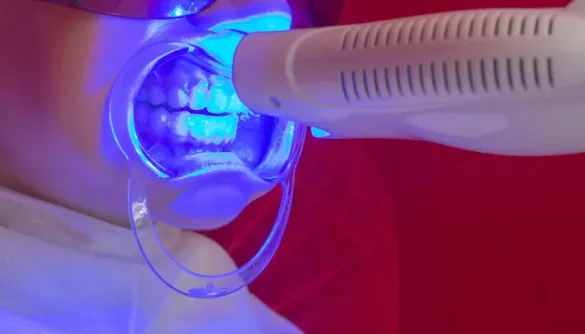
Teeth bleaching has become one of the most common cosmetic dental procedures in the world. More people seek brighter smiles because white teeth look healthy and attractive. The procedure is simple. The effect is noticeable. The cost is usually manageable. These advantages make bleaching extremely popular.
However, many patients ask the same question before treatment: Is bleaching teeth permanent? The answer is important. Tooth color affects confidence. It affects how people see themselves. It affects comfort in social and professional settings.
This article explains the longevity of teeth bleaching. It outlines what bleaching can do. It explains what bleaching cannot do. It discusses the science behind whitening agents. It also describes lifestyle factors that impact results.
Is Bleaching Teeth Permanent?
The simple answer is no. Teeth bleaching is not permanent. Whitening results fade gradually. The exact rate depends on several factors.
Some people maintain whiteness for years. Others notice changes within months. The treatment removes stains. It brightens enamel. But enamel remains exposed to food, drinks, and habits that cause discoloration.
Bleaching is effective. Bleaching improves aesthetics. Bleaching helps patients feel confident. But bleaching does not prevent future staining. Teeth remain porous. Teeth continue to absorb pigments from the environment.
Understanding this helps patients make realistic expectations. Whitening is a cosmetic procedure, not a permanent transformation.
How Teeth Bleaching Works
To understand why bleaching is not permanent, it helps to understand the mechanism. Bleaching uses oxidizing agents. The agents break down chromogens. Chromogens are pigment molecules trapped inside the enamel. Once broken, these stains become colorless. The tooth looks lighter.
Most bleaching agents contain hydrogen peroxide or carbamide peroxide. These chemicals enter enamel through microscopic pores. They release oxygen. The oxygen dissolves pigments.
The more time the bleaching gel stays on the tooth, the more whitening occurs. Stronger concentrations create faster results. weaker concentrations require repeated use.
Bleaching changes the internal shade of the tooth. It does not coat the tooth. It does not block stains. It simply lightens existing ones.
The Role of Hydrogen Peroxide
Hydrogen peroxide is the active ingredient in most whitening systems. It works quickly. It penetrates deeply. It breaks organic molecules apart.
The breakdown is safe. The effect is predictable. But the whitening only affects existing stains. New stains can still accumulate later. This explains why bleaching is temporary.
The Role of Carbamide Peroxide
Carbamide peroxide is another common whitening chemical. It releases hydrogen peroxide slowly. This controlled release makes it useful for at-home bleaching trays.
The slow release reduces sensitivity. It also allows prolonged whitening. But the mechanism remains the same. It breaks down pigments but does not prevent new ones.
Why Teeth Do Not Stay White Permanently
Teeth bleaching is not permanent for several reasons. Teeth experience daily exposure to staining elements. Enamel is porous. It absorbs color from foods, drinks, and tobacco. Saliva minerals can also affect color. Aging changes tooth structure.
These factors continue after bleaching. They cause gradual color regression. The lightened shade slowly returns to a darker baseline.
Below are the main reasons whitening results fade.
Enamel Porosity
Enamel is the hardest tissue in the body. But it contains tiny pores. These pores allow whitening chemicals to enter. They also allow stains to enter.
After bleaching, the enamel becomes temporarily dehydrated. It looks brighter for 24 to 48 hours. As it rehydrates, the shade stabilizes. Over time, stains reenter these pores. The tooth darkens again.
Exposure to Dark-Colored Foods and Drinks
Many foods and beverages contain strong pigments. These pigments attach to enamel. Common offenders include:
- Coffee
- Tea
- Red wine
- Soda
- Dark berries
- Soy sauce
- Tomato sauce
- Curry
These foods quickly affect whitened teeth. Regular exposure accelerates color relapse.
Aging and Natural Tooth Changes
Aging affects tooth color. The outer enamel gradually wears down. The underlying dentin becomes more visible. Dentin is naturally yellow. As enamel thins, the tooth looks darker.
This change occurs regardless of bleaching. Whitening lightens enamel pigments. But it cannot change dentin structure. As dentin darkens with age, the tooth becomes darker again.
Smoking and Tobacco Use
Tobacco contains tar and nicotine. These substances stain enamel severely. They also penetrate deeply. Smokers experience faster color relapse.
Even after bleaching, continued smoking overwhelms whitening results. In many cases, smokers require frequent touch-ups.
Poor Oral Hygiene
Poor brushing habits allow plaque to build up. Plaque attracts stains. Plaque absorbs pigments. Plaque changes the tooth surface.
Failure to brush twice daily leads to faster discoloration. Whitening cannot resist plaque accumulation.
Genetic Factors
Some people have naturally darker teeth. Some have more porous enamel. Some develop more stains due to saliva composition.
Genetics affects whitening stability. Two people may bleach their teeth the same day. Their results may last very different lengths of time.
How Long Do Whitening Results Usually Last?
Whitening longevity varies widely. The average duration depends on lifestyle, oral hygiene, and the type of whitening used.
In-Office Professional Bleaching
In-office bleaching uses strong concentrations of hydrogen peroxide. It produces noticeable results quickly.
Typical longevity ranges from 1 to 3 years. Patients who avoid staining foods may maintain results even longer. Smokers may lose brightness in months.
Take-Home Custom Whitening Trays
Dentists provide personalized trays for at-home use. The gel is weaker. The results develop gradually.
Longevity often ranges from 6 months to 2 years. Many patients perform monthly or quarterly touch-ups for maintenance.
Over-the-Counter Whitening Kits
Whitening strips and OTC kits use low-strength peroxide. They remove mild stains. They work slowly.
Results usually last several months to 1 year. Touch-ups are usually needed often.
Whitening Toothpaste
Whitening toothpaste does not bleach teeth. It removes surface stains. Its effect is mild.
Results fade quickly because toothpaste cannot change internal tooth color.
Factors That Affect Whitening Longevity
Several factors determine how long bleaching results last. Understanding them helps patients plan maintenance.
Diet
Pigmented foods cause rapid staining. People who drink coffee, tea, or red wine daily notice faster color change. Reducing consumption slows relapse.
Oral Hygiene Routine
Consistent brushing removes plaque. Plaque attracts pigment. Good hygiene preserves whiteness.
Twice-daily brushing, flossing, and whitening toothpaste help maintain results.
Smoking Habits
Nicotine stains are stubborn. Smoking accelerates discoloration. Patients who quit smoking enjoy longer whitening effects.
Natural Tooth Color
Some teeth lighten more than others. Some relapse more quickly. Natural tooth shade and enamel density influence stability.
Type of Whitening Used
Professional whitening lasts the longest. OTC whitening lasts the shortest.
Higher concentration creates longer stability.
How to Make Whitening Results Last Longer
While bleaching is not permanent, patients can prolong results. Simple habits protect enamel and prevent new stains.
1. Reduce Staining Foods and Drinks
Avoid or limit coffee, tea, red wine, and other dark items. If avoidance is impossible, drink through a straw. Rinse the mouth after consuming pigments.
2. Brush Regularly
Brush twice daily. Floss at least once daily. Consider using an electric toothbrush.
Good hygiene prevents plaque formation and helps retain whiteness.
3. Rinse After Meals
Rinsing with water removes early pigment deposits. A simple rinse reduces long-term stains.
4. Quit Smoking
Stopping tobacco use is the most effective way to prevent rapid discoloration.
5. Schedule Touch-Ups
Touch-ups maintain brightness. Dentists often recommend whitening trays for maintenance.
Patients may use them once a month or once every few months.
6. Use Whitening Toothpaste
Whitening toothpaste removes surface stains. It does not bleach teeth. But it helps maintain the results of bleaching.
Conclusion
Bleaching teeth is not permanent. The results fade over time. Teeth absorb pigments daily. Enamel remains porous. Diet, smoking, oral hygiene, and aging influence longevity.
Professional whitening lasts longer than OTC products. But even professional whitening requires touch-ups.
With proper maintenance, patients can keep their smiles bright for many years. Consistent care, reduced pigments, and regular touch-ups are key.