


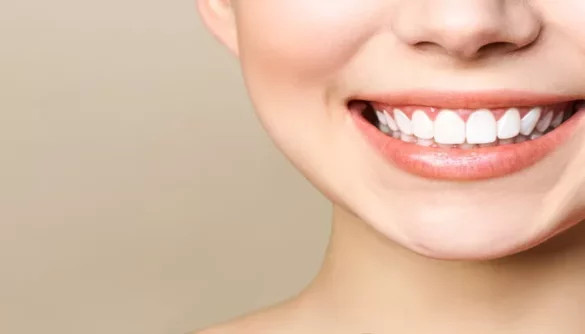
Having bright, white teeth can improve your confidence and overall appearance. Many people seek fast results, sometimes hoping for a dramatic change overnight. However, it is important to understand what is realistic, safe, and effective. Teeth can become discolored due to various factors including diet, lifestyle, aging, and oral hygiene habits. Overnight whitening methods may produce noticeable improvements, but they have limitations and must be used carefully.
Understanding Tooth Discoloration
Types of Discoloration
Tooth discoloration is generally classified into two types: extrinsic and intrinsic. Extrinsic stains occur on the surface of the teeth, often caused by coffee, tea, wine, tobacco, or certain foods. These stains are usually easier to remove with whitening products or professional cleaning. Intrinsic stains develop inside the tooth, caused by factors such as trauma, medications, excessive fluoride, or aging. Intrinsic stains are more difficult to whiten and may require professional treatments.
Factors Affecting Whitening
Several factors affect how quickly and effectively teeth can be whitened. These include the type and severity of stains, enamel thickness, and overall oral health. Additionally, lifestyle habits such as smoking or frequent consumption of staining foods can reduce the effectiveness of overnight whitening methods.
Professional Whitening Options
In-Office Whitening Treatments
Professional in-office whitening is the fastest and most effective way to achieve noticeable results in a short time. Dentists use high-concentration peroxide gels, often combined with specialized light or laser systems, to accelerate the whitening process. Some in-office treatments can lighten teeth by several shades in just one session, making it possible to achieve near “overnight” results safely.
Take-Home Whitening Kits from Dentists
Another professional option is a dentist-provided take-home kit. These kits typically include custom-fitted trays and professional-strength whitening gel. While results are slower than in-office treatments, noticeable improvement can sometimes occur within one night if the gel is applied for an extended period, following dentist instructions carefully.
Over-the-Counter Whitening Products
Whitening Strips
Whitening strips are a popular over-the-counter option. They contain low to moderate concentrations of hydrogen peroxide and can provide visible results in one to a few nights. For overnight use, choose strips specifically labeled for extended wear. Follow instructions closely to avoid gum irritation or tooth sensitivity.
Whitening Gels and Pens
Whitening gels or pens allow for targeted application on teeth. Some formulas are designed for overnight use, offering a slow-release whitening effect while you sleep. Applying these products on clean, dry teeth enhances their effectiveness. Always check the ingredients and avoid excessive use to prevent enamel damage.
Whitening Toothpaste
Whitening toothpaste is less potent than gels or strips but can help remove surface stains. Toothpaste with baking soda or mild abrasives can make teeth appear brighter, although dramatic overnight whitening is unlikely. Combining toothpaste with other methods may enhance overall results safely.
Home Remedies and Natural Methods
Baking Soda and Hydrogen Peroxide
A paste made from baking soda and hydrogen peroxide can remove surface stains. Mix a small amount of hydrogen peroxide with baking soda to form a paste and brush gently for one to two minutes. Limit use to a few times per week to prevent enamel erosion. This method can provide temporary brightening effects overnight.
Coconut Oil Pulling
Oil pulling involves swishing a tablespoon of coconut oil in your mouth for 10–15 minutes. This method may help reduce plaque and surface stains. While results are gradual, combining oil pulling with other whitening methods can enhance the appearance of teeth quickly.
Fruits with Natural Acids
Fruits such as strawberries contain malic acid, which may help remove surface stains. Mash a strawberry and apply it to your teeth for a few minutes before rinsing thoroughly. This method offers a mild whitening effect, but it should be used with caution as acids can erode enamel if overused.
Oral Hygiene Practices for Overnight Whitening
Brushing and Flossing
Maintaining excellent oral hygiene enhances the effectiveness of whitening methods. Brush at least twice a day and floss daily to remove plaque and food particles that contribute to discoloration. Using a soft-bristled toothbrush prevents enamel wear during intensive whitening routines.
Mouthwash and Rinsing
Antibacterial mouthwashes help reduce plaque buildup and prevent stains. Rinsing with a whitening mouthwash after brushing can provide additional surface whitening effects and freshen breath. Choose alcohol-free formulas to minimize tooth sensitivity.
Managing Expectations and Safety
Understanding Realistic Results
It is important to manage expectations when seeking overnight results. Teeth can become noticeably brighter, especially with professional treatments, but extreme transformations may take multiple sessions. Surface stains respond best to rapid whitening, while intrinsic stains require gradual, long-term treatment.
Avoiding Common Risks
Overusing whitening products can lead to enamel erosion, gum irritation, and tooth sensitivity. Always follow manufacturer instructions or dentist guidance. Avoid unproven DIY methods such as acidic fruit peels or harsh chemical mixtures, as these can cause irreversible damage.
Tips to Maintain White Teeth After Overnight Whitening
Avoid Staining Foods and Drinks
After whitening, avoid coffee, tea, red wine, and dark sauces for at least 24–48 hours. These substances can quickly re-stain teeth. Using a straw for beverages can reduce direct contact with teeth and prolong whitening effects.
Regular Dental Cleanings
Professional dental cleanings remove tartar and surface stains that at-home products cannot. Regular visits enhance the long-term effectiveness of whitening treatments and maintain oral health.
Touch-Up Treatments
For long-lasting brightness, occasional touch-up treatments using whitening strips, gels, or professional kits are recommended. Consult your dentist for safe intervals between treatments to protect enamel and gum health.
Conclusion
Achieving super white teeth overnight is possible to some extent, especially with professional treatments. Over-the-counter products, home remedies, and excellent oral hygiene can enhance results safely. It is crucial to understand the limitations and risks, and to avoid harsh or untested methods. By combining safe whitening techniques with good oral care, you can achieve a brighter smile quickly while protecting your dental health.