


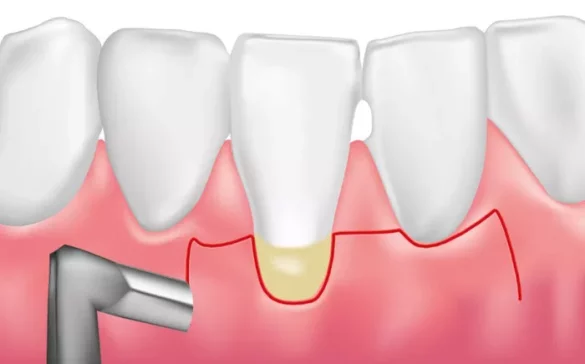
Pain in the gum behind the last tooth is a common concern. Many people experience it at least once in their lifetime. The discomfort may feel mild at first. It can also become sharp or persistent. This type of pain often raises concern because it is difficult to see the area clearly. It is also harder to clean than other parts of the mouth.
The gum behind the last tooth plays an important role in oral health. It protects underlying bone and supports chewing forces. When this area becomes painful, it usually signals irritation, inflammation, or infection. The cause may be simple, such as trapped food. It may also involve more complex issues, such as wisdom tooth problems or gum disease.
Understanding the Gum Behind the Last Tooth
The gum behind the last tooth is a sensitive area. It often lies behind the second molar or the wisdom tooth. This region is hard to clean. Food debris collects easily. Bacteria grow in this space. Pain often starts quietly. It can worsen with time.
The gum tissue here is thinner than in other areas. It covers bone and developing or erupted teeth. Any irritation triggers inflammation. Even small problems can feel intense. This explains why pain in this location often feels sharp or throbbing.
Common Symptoms Associated With Pain in This Area
Pain behind the last tooth rarely appears alone. Other symptoms often develop. These signs help identify the cause.
Localized Gum Pain
The pain is often limited to one side. It may feel sore or tender. Pressure makes it worse. Chewing increases discomfort.
Swelling and Redness
The gum may look swollen. The color often changes to deep red. Inflammation indicates infection or irritation.
Bad Taste or Bad Breath
Bacteria trapped behind the tooth release toxins. These toxins create a foul taste. Persistent bad breath is common.
Difficulty Opening the Mouth
Inflammation can spread to nearby muscles. Jaw stiffness may develop. This symptom often appears with wisdom tooth problems.
Wisdom Teeth as a Primary Cause
The most common reason for pain behind the last tooth is wisdom teeth. These teeth usually erupt between ages seventeen and twenty-five. Many mouths lack space for them.
Partially Erupted Wisdom Teeth
A wisdom tooth may only partly break through the gum. A gum flap remains over the tooth. Food and bacteria become trapped under this flap. Infection develops easily.
Pericoronitis Explained
Pericoronitis is inflammation of the gum around a partially erupted tooth. It causes pain, swelling, and sometimes fever. It is a frequent cause of pain behind the last tooth.
The condition can be mild or severe. Mild cases cause discomfort. Severe cases cause intense pain and facial swelling. Treatment depends on severity.
Impacted Wisdom Teeth
An impacted wisdom tooth stays trapped in bone or gum. Pressure builds over time. This pressure causes pain behind the last tooth. It may also damage nearby teeth.
Gum Infection and Periodontal Disease
Gum disease often affects the back of the mouth. Cleaning this area is difficult. Plaque and tartar accumulate.
Gingivitis in the Back of the Mouth
Gingivitis is early gum disease. It causes redness and bleeding. Pain may develop behind the last tooth due to inflammation.
Periodontitis and Deep Infection
Untreated gingivitis can progress. Periodontitis damages bone and tissue. Pockets form around teeth. Bacteria thrive in these pockets.
Pain becomes deeper and more persistent. The gum behind the last tooth often suffers first. This is due to limited access for brushing.
Food Impaction Behind the Last Tooth
Food impaction is a simple but painful cause. Small food particles lodge behind the last tooth. The gum becomes irritated.
Why Food Gets Trapped Easily
The last tooth has no tooth behind it. The gum forms a pocket. Food enters but does not escape easily.
Inflammatory Response
The body reacts to trapped food. Bacteria feed on it. The gum swells and hurts. Pain may disappear after cleaning.
Dental Abscess Formation
An abscess is a collection of pus. It forms due to bacterial infection. Abscesses near the last tooth are dangerous.
Types of Abscesses
Periapical abscesses start at the tooth root. Periodontal abscesses start in the gum. Both can cause pain behind the last tooth.
Warning Signs of an Abscess
Severe throbbing pain is common. Swelling spreads to the cheek or jaw. Fever may appear. Immediate care is required.
Trauma and Mechanical Irritation
Physical injury can cause gum pain. The back of the mouth is prone to accidental trauma.
Cheek Biting and Hard Foods
Sharp foods scratch the gum. Accidental biting damages tissue. Pain appears quickly but often heals with care.
Dental Appliances and Restorations
Braces and ill-fitting dentures irritate the gum. Pressure causes inflammation behind the last tooth.
Tooth Decay Near the Gum Line
Cavities near the back teeth often go unnoticed. They may extend under the gum.
Hidden Decay Symptoms
Sensitivity to pressure is common. Gum pain appears without visible cavities. X-rays help detect hidden decay.
Sinus-Related Referred Pain
The upper back teeth lie close to the sinuses. Sinus inflammation can mimic dental pain.
How Sinus Pressure Causes Gum Pain
Inflamed sinuses press on tooth roots. The gum behind the last tooth may feel sore. Pain worsens with head movement.
Hormonal and Systemic Factors
Systemic conditions influence gum health. Hormones and immunity affect inflammation.
Hormonal Changes
Pregnancy and puberty increase gum sensitivity. Pain behind the last tooth may appear without infection.
Weakened Immune System
Stress and illness reduce immunity. Bacterial growth increases. Gum pain becomes more likely.
How Dentists Diagnose Pain Behind the Last Tooth
Accurate diagnosis is essential. Dentists follow a structured approach.
Clinical Examination
The dentist inspects the gum. Probing checks for pockets. Swelling and redness are evaluated.
Dental X-Rays
X-rays reveal hidden issues. Impacted teeth and bone loss become visible.
Treatment Options Based on the Cause
Treatment depends on diagnosis. Early care prevents complications.
Professional Cleaning
Scaling removes plaque and tartar. Gum inflammation reduces. Pain often improves quickly.
Antibiotic Therapy
Infections require antibiotics. These reduce bacterial load. They are often combined with cleaning.
Wisdom Tooth Removal
Extraction is common for problematic wisdom teeth. Removal eliminates repeated infection risk.
Drainage of Abscess
Abscesses require drainage. This relieves pressure and pain. Further treatment follows.
Home Care Measures for Temporary Relief
Home care supports professional treatment. It does not replace dental care.
Warm Saltwater Rinses
Saltwater reduces bacteria. It soothes inflamed tissue. Rinsing several times daily helps.
Improved Oral Hygiene
Careful brushing reduces plaque. Using a soft brush protects sensitive gums.
Interdental Cleaning
Floss and water flossers remove trapped food. This is essential behind the last tooth.
When to See a Dentist Immediately
Some symptoms indicate urgency. Delaying care can be dangerous.
Severe Pain and Swelling
Rapid swelling suggests infection spread. Immediate attention is needed.
Fever or Difficulty Swallowing
These signs indicate systemic involvement. Emergency care may be required.
Long-Term Prevention Strategies
Preventing pain behind the last tooth requires consistency.
Regular Dental Checkups
Routine visits detect problems early. Dentists monitor wisdom teeth development.
Effective Cleaning Techniques
Angled brushing reaches the back teeth. Antibacterial mouth rinses support gum health.
Healthy Lifestyle Choices
Balanced nutrition supports immunity. Avoiding tobacco reduces gum disease risk.
Conclusion
Pain behind the last tooth is common. It often signals underlying issues. Wisdom teeth, infection, and poor cleaning are frequent causes. Early evaluation prevents complications. With proper care, pain can be relieved and future problems avoided.