


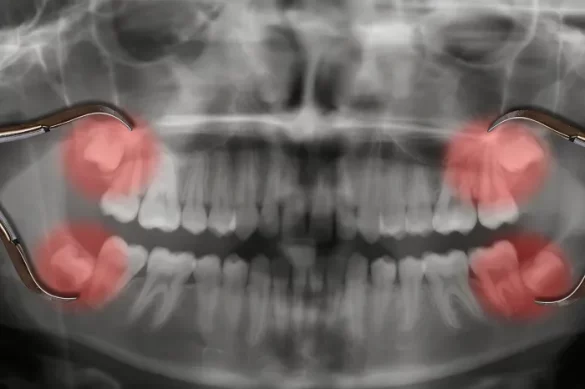
After having your wisdom teeth removed, it’s normal to have questions about the best ways to rest and recover. Many people wonder, “Is it ok to lay down after wisdom teeth removal?” The answer is important for your comfort, safety, and healing.
Understanding proper resting techniques can help prevent complications and make your recovery smoother.
Why Sleeping Position Matters After Wisdom Teeth Removal
Sleeping after wisdom teeth extraction can be challenging. Post-operative discomfort, swelling, and bleeding are common. The position you choose when you lay down plays a critical role in how well and safely you recover. If you sleep incorrectly, you may increase swelling, delay healing, or even risk serious side effects like dry socket.
Is It Safe to Lay Down after Wisdom Teeth Removal?
You can lay down after wisdom tooth surgery, but not in any position you like. The main advice from dental surgeons and recovery experts is to keep your head elevated above your heart, especially for the first 24 to 48 hours. laying flat, such as lying completely horizontal on your back or stomach, is not recommended. A flat position may cause more blood to flow to the surgical site, which can increase swelling and bleeding. Instead, prop up your upper body using pillows or consider resting in a recliner. This keeps your head raised and helps to reduce the pressure on your healing gums.
The Science Behind Elevation
When you keep your head elevated, gravity helps drain excess blood and fluid away from the extraction sites. This helps to reduce swelling and bleeding. With your head higher than your heart, you also lower the risk of accidental choking on saliva or blood, which might pool in your mouth if you are lying flat. This position supports faster healing because it reduces inflammation and discomfort.
How to Lay Down The Right Way
To get quality rest after wisdom teeth removal, follow these basic guidelines:
1. Use Several pillows
Place two or three pillows to keep your head and shoulders propped up. This not only keeps your head elevated but also helps keep you from rolling onto your side or stomach during sleep.
2. sleep on your back
Sleeping on your back is best. Do not sleep on your side or stomach, especially for the first few nights. These positions can put pressure on the extraction site, which may disturb the healing area or cause more pain and swelling.
3. Try a recliner
If you have a recliner, use it. Recliners provide a natural, comfortable way to keep your head higher than your heart while still letting you relax. This can be especially helpful for those who find it difficult to stay propped up on pillows in a bed.
4. avoid sudden movements
Rising suddenly from a lying or sitting position may leave you feeling faint or light-headed, especially after sedation. Always get up slowly. Sit up in bed for a few minutes before standing to avoid dizziness.
Common Mistakes When Laying Down After Wisdom Tooth Extraction
It can be tempting to lay flat or return to your usual sleeping habits. However, doing so can increase your risk of complications. Sleeping flat may raise swelling and bleeding. Using too few pillows may not provide enough support, and sleeping on your side may cause accidental biting or pressure on the surgery area, slowing down the healing process.
Other Important Bedtime Tips for Wisdom Tooth Recovery
Laying down properly is just one part of recovery. Here are a few extra tips to make your rest safer and more comfortable:
1. Manage Pain Before Sleep
Take your prescribed or over-the-counter pain medication about 30 minutes before you plan to rest. This helps you fall asleep more easily and stay comfortable throughout the night.
2. Use an Ice Pack
Before going to bed, apply a cold pack to the outside of your cheek near the extraction area. This helps reduce swelling and can ease discomfort. Remember not to apply ice directly to your skin and remove the ice after 15 to 20 minutes.
3. Change Gauze as Needed
If your dentist has placed gauze to control bleeding, replace it as advised. Do not sleep with gauze in your mouth unsupervised, as there’s a risk of choking, particularly if you lay too flat. Always ask for help from a friend or family member during the first few hours after surgery.
4. Use a Spare Pillowcase or Towel
Slight bleeding or drooling is common the first night after wisdom teeth removal. Protect your pillow by using an old pillowcase or towel just in case.
What to Avoid When Laying Down
Lay down only in positions that keep your head and jaw comfortable and elevated. Do not:
- Sleep completely flat on your back or stomach during the first 48 hours
- Use no pillows, or only a thin pillow
- lay on your side, especially the side with recent surgery
- Ignore signs of excessive bleeding or severe pain
- Sleep with gauze unattended in your mouth
How Long Should You elevate your head?
Most dentists recommend keeping your head elevated when laying down for the first 48 to 72 hours after wisdom teeth removal. This is when swelling and bleeding are most likely to happen. If you notice swelling or pain returning when you try to sleep flat, return to using pillows or a recliner for another night or two. After this, you can gradually return to your preferred sleeping positions once your healing has improved and most symptoms have passed.
Dangers of Not Laying Down Properly After Surgery
Improper resting positions can lead to several post-surgery problems:
- Increased bleeding: laying flat or too low can encourage blood to pool at the extraction site, making bleeding more likely and harder to control.
- Excessive swelling: Swollen cheeks or jaw are common but can get worse if your head isn’t elevated, possibly extending recovery time.
- dry socket: Dislodging the blood clot due to improper sleeping or sudden movements can lead to dry socket, a painful condition that delays healing.
- Choking Risk: Falling asleep with gauze or excess blood in your mouth increases the chance of choking, especially if you are overly sedated or lying flat.
When Can You lay flat Again?
Most people can sleep as normal by the fourth or fifth day after surgery, once the bleeding and swelling have gone down, and healing is underway. Listen to your dentist and your own body. If you are waking up comfortable, with minimal swelling and no bleeding, it is usually safe to lay flat.
When to Call Your Dentist
Contact your oral surgeon or dentist if you experience:
- Persistent or heavy bleeding that does not stop with pressure
- Worsening pain despite medication
- Noticeable swelling that gets worse after two days
- Trouble swallowing
- Symptoms of infection, such as fever or pus
These signs could mean that your recovery is not progressing as expected, and you may need more specific care.
Frequently Asked Questions
Can I sleep flat immediately after my wisdom teeth are removed?
No, it is not recommended. For the first 48 to 72 hours, keep your head elevated to minimize swelling and bleeding.
Why is sleeping on my back preferred after extraction?
This position prevents putting pressure on the extraction site and helps keep swelling and bleeding under control.
What if I accidentally roll on my side while sleeping?
If you accidentally turn onto your side briefly, try to return to your back with your head elevated as soon as you notice. Using extra pillows can help prevent rolling.
How long do I need to keep my head elevated when lying down?
Usually, 48 to 72 hours is enough, but always follow your dentist’s advice or continue longer if you still have swelling or discomfort.
Is it safe to use ice packs at night?
Yes, but only for the first 24 hours. Do not sleep with an ice pack strapped to your cheek. Apply before bed and remove before falling asleep to avoid skin irritation.
Conclusion
Laying down after wisdom teeth removal is safe if you follow the proper precautions. For at least 48 hours, keep your head elevated using pillows or a recliner. Avoid lying flat and sleeping on your side or stomach. Manage your pain, avoid having gauze in your mouth while unsupervised, and seek help if severe symptoms occur. Proper rest and sleep positions are key to speeding up your recovery and preventing problems. Always follow your dentist’s advice and make adjustments as needed based on your body’s feedback.