


power chain braces play a key role in modern orthodontics, helping countless patients achieve healthier, straighter smiles. You may be wondering what power chain braces are and why orthodontists often recommend them in your treatment plan. In this article, we will explore what power chain braces are, how they work, when they are used, the benefits and possible side effects, and how they fit into the overall process of braces treatment.
What Are power chain braces?
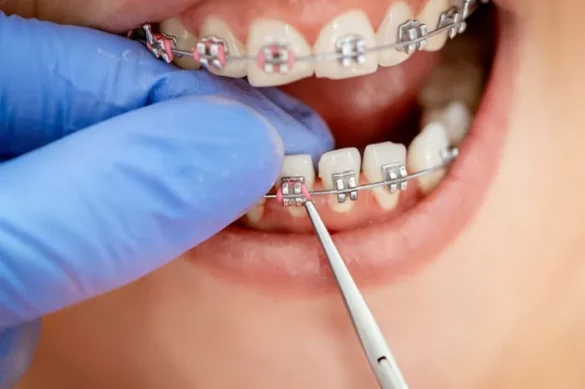
power chain braces are special types of elastic bands used in orthodontic treatments. Unlike traditional braces that use individual tiny elastics (called ligatures) to hold the archwire to each bracket, power chains consist of a string of connected elastic rings. These rings form a chain-like structure that links several brackets together at once. This design allows the power chain to provide continuous pressure over multiple teeth at the same time.
How Do power chain braces Work?
The primary job of power chain braces is to close gaps between teeth and to apply extra force to move teeth effectively. The power chain sits over the brackets, replacing the individual ligatures on each tooth. It is designed so that each ring fits snugly around a bracket, with the chain stretching across two or more brackets in a row. Because the chain pulls all brackets together continuously, it increases the force applied to your teeth, speeding up certain tooth movements compared to regular elastics.
Power chains come in different styles, including closed, short, and long (sometimes called open). The style chosen depends on the specific goals of your orthodontic treatment plan. closed power chains have rings that touch each other with no space in between, while short and long chains have spaces between the rings. The orthodontist determines which type and length is best based on the gaps and needs of your teeth.
When Are power chain braces Used?
power chain braces are not needed for every patient but are extremely helpful for several orthodontic situations:
closing gaps between teeth
The most common reason for using power chains is to close spaces between teeth. These gaps may exist naturally or may result after certain dental procedures, such as extractions. The continuous pressure from power chains moves teeth closer together, helping eliminate spaces and create a more even smile.
Aligning Crooked or Rotated Teeth
Some patients have teeth that are tilted or rotated out of proper alignment. Power chains help by providing strong, steady pressure to these teeth, assisting them in rotating or aligning correctly with the rest of the dental arch.
correcting overcrowding
In cases where teeth are overcrowded, power chains can assist in gradually moving teeth into their proper positions. This can help create additional space, making room for teeth to settle in the correct place.
improving dental midlines
Power chains can help correct misalignments in the dental midline—the imaginary line that runs down the center of your face and splits your upper and lower teeth. A balanced midline contributes to an attractive and functional smile.
The Process of Getting power chain braces
Power chains are usually added during an appointment after your braces have been on for a while. The typical process follows these steps:
- Consultation: Your orthodontist examines your teeth to see if power chains are necessary for your treatment goals.
- placement: During an adjustment visit, the orthodontist removes the individual ligatures and installs the power chain over selected brackets, stretching the chain to ensure the ideal pressure and fit.
- adjustments and replacements: Power chains lose force over time due to eating, temperature in the mouth, and normal wear. Therefore, your orthodontist will regularly replace them to maintain correct pressure and progress.
The exact timing of when power chains are needed depends on your treatment plan. Some patients may require power chains early in their treatment, while others will have them placed later to complete specific tooth movements—especially closing spaces as the final step before braces are removed.
Duration of Power Chain Use
How long you’ll wear power chain braces depends on the extent of the tooth movements needed. Some patients wear them for a few weeks, others for several months. Factors include the size of gaps to be closed, the type of misalignment, and individual response to treatment. Most people wear braces for one to three years overall, but power chains may be used for only part of that time.
Benefits of power chain braces
Power chains offer several advantages within an orthodontic treatment:
- efficiency: Power chains can close gaps more quickly than individual ligatures, often shortening the overall treatment time.
- versatility: They are suitable for closing spaces, aligning teeth, correcting rotations, and balancing the bite.
- customization: Power chains come in many colors, allowing patients to personalize their braces.
- comfort: Many patients find power chains more comfortable than other methods of closing gaps or making complex tooth movements.
risks and side effects
While generally safe, braces and power chains have some risks and side effects:
- discomfort: Some discomfort is normal after the power chain is first placed or adjusted, similar to other changes in braces. The soreness usually lasts a few days and can be managed with pain relievers such as acetaminophen.
- oral hygiene challenges: The extra elastic material can make cleaning your teeth more difficult. Food particles and plaque can collect more easily, leading to increased risk of gum disease or tooth decay. Good oral hygiene is essential.
- risk of broken chains: Power chains may break due to eating hard or sticky foods or normal wear. If your power chain breaks, contact your orthodontist for replacement.
- root shortening: As with all braces, some shortening of tooth roots can occur when teeth are moved over time. Regular monitoring by your orthodontist will help manage this risk.
- loss of correction: After braces and power chains are removed, wearing your retainer as directed is vital to keep your teeth in their new positions.
Age Considerations for power chain braces
Children and teenagers often get power chain braces because their jawbones are still developing, making tooth movement easier. However, adults can also benefit from power chains. Orthodontic treatment and power chains are effective for all ages; about one in five orthodontic patients are adults.
Types of Power Chains
- Closed (Continuous): Rings connected with no space, providing maximum force for closing gaps.
- Short (Open): Rings separated by a short distance, used for moderate movement.
- Long (Wide): Rings further apart, used when only gentle force is needed.
Your orthodontist will decide which type fits your treatment based on your dental needs and goals.
Caring for power chain braces
Maintaining braces with power chains requires good oral hygiene:
- Brush your teeth after every meal to remove food and plaque buildup.
- Use a soft-bristled toothbrush and gentle strokes to avoid damaging the braces or chain.
- Floss daily, preferably with a floss threader or orthodontic floss, to clean between teeth and brackets.
- Rinse with water or a fluoride rinse to remove debris.
- Examine your braces and power chains in the mirror for breaks or damage.
- Avoid sticky, hard, or sugary foods to prevent breakage and tooth decay.
Prompt communication with your orthodontist is important if you notice any issues.
Conclusion
power chain braces are essential tools that help orthodontists close spaces, align teeth, and complete complex tooth movements. They provide extra force that makes orthodontic treatment more efficient and effective. While they do require careful maintenance and can bring some discomfort, their benefits for completing dental alignment make them a popular choice. If you have questions about whether power chain braces are right for you, consult your orthodontist—they will provide recommendations suited to your unique dental needs.
FAQs
What do power chain braces look like?
power chain braces feature a string of connected elastic rings placed over the brackets of your braces, forming a chain-like appearance.
Do power chain braces hurt more than regular braces?
Most patients experience some soreness after adjustment, but discomfort is similar to other brace activations and usually lasts only a few days.
How long will I need to wear power chain braces?
The duration depends on your specific needs; some patients wear them for weeks, others for months.
Can adults get power chain braces?
Yes, power chains are effective for adults as well as children and teens.
What happens if my power chain breaks?
Contact your orthodontist promptly to replace the chain and keep your treatment on track.