


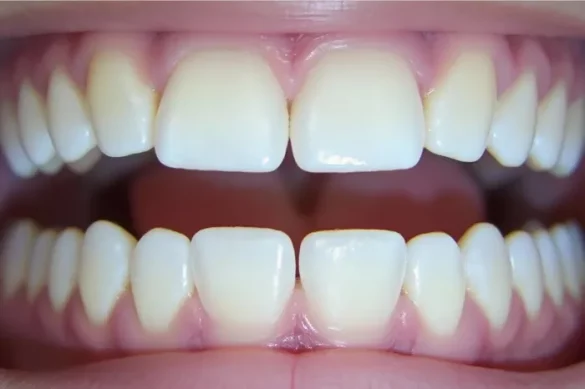
Many people are excited to use whitening strips to improve the brightness of their smile. Whitening strips are easy to use, affordable, and can deliver visible results in a short time. However, it is not uncommon for people to notice white spots on their teeth after finishing a whitening treatment. This can be surprising and even concerning if you were expecting a completely even, radiant smile. Understanding why these white spots appear helps you take the right steps for your oral health and achieve the best results from whitening treatments.
What Are White Spots on Teeth?
White spots are small, pale patches that stand out from the rest of your tooth’s surface. They can look like tiny dots, streaks, or larger cloudy areas. These spots may be present on one tooth or several teeth. White spots are usually the result of differences in the mineral content within your tooth enamel.
Why Do White Spots Appear After Whitening Strips?
Existing White Spots Becoming More Visible
Most people think whitening strips cause white spots to develop on their teeth. In reality, whitening treatments often reveal or accentuate existing spots. Many individuals already have white spots on their teeth, but these are less obvious when the surrounding enamel is darker. Whitening strips lighten the entire tooth surface, making any lighter areas stand out more clearly.
Enamel Demineralization
During whitening, the gel in strips (usually with hydrogen peroxide or carbamide peroxide) penetrates the enamel to lift deep-set stains. This process can dehydrate the enamel temporarily. As a result, minerals are lost from the surface layer of the tooth, a process called enamel demineralization. The dehydrated spots can appear much whiter than the rest of the tooth. These white marks usually look streaky or blotchy, but in most cases, they are temporary.
Dental Fluorosis
White spots can also be a sign of dental fluorosis, a condition caused by too much fluoride during tooth development. If you experienced excessive fluoride exposure as a child, your teeth may have areas of altered mineralization. These spots are often less noticeable before whitening, but after the strips lighten your enamel, the fluorosis spots contrast more with the surrounding tissue.
Common Causes of White Spots on Teeth
1. Hypocalcification
Hypocalcification is the loss of calcium from tooth enamel. This may happen due to excess plaque, poor oral hygiene, or exposure to large amounts of fluoride as children. Acid produced by bacteria in dental plaque removes minerals from the enamel, creating chalky, white patches known as white spot lesions. These lesions can eventually turn into cavities if not treated.
2. Orthodontic Treatments
People who have worn braces may notice white spots after their orthodontic treatment. Braces make cleaning teeth difficult, and plaque can build up around the brackets. The enamel under these areas loses minerals and shows up as white spots once braces are removed. Whitening strips can make these spots appear brighter next to freshly whitened enamel.
3. Nutritional Deficiency & Diet
Consuming acidic beverages and foods, or maintaining a diet high in sugar, accelerates the erosion of enamel. If not balanced with a proper intake of minerals, the loss shows as white spots. Grinding or clenching your teeth can also physically wear away the enamel, creating white patches.
How Long Do White Spots Last?
White spots from dehydration usually improve within a couple of days as your enamel rehydrates naturally. Most people find that the white streaks are much less visible the day after treatment and are gone by the second or third day. If white spots persist or pre-exist due to hypocalcification or fluorosis, they may remain visible unless treated by a dentist.
Treatment Options for White Spots After Whitening Strips
1. Rehydration
The quickest way to help your enamel recover is to stay hydrated. Drink plenty of water after whitening, especially in the first few days. Avoid dark-colored drinks, as the pores in your enamel are open and absorb stains easily during this time.
2. Remineralizing Toothpaste
Toothpaste containing fluoride or other minerals can help restore what the enamel has lost. Use high-quality mineral-rich toothpaste to supply the necessary calcium and phosphate for enamel healing. Dental gels and fluoride varnishes applied professionally are also effective.
3. Enamel Microabrasion
Microabrasion removes a thin layer of surface enamel to reduce the appearance of white spots. This treatment is performed by a dentist using mild abrasives and acid solutions. It is useful for spots caused by surface demineralization.
4. Cosmetic Dental Treatments
If white spots are stubborn and remain after home care, cosmetic treatments such as dental bonding or veneers may be recommended. These options cover the natural tooth with a resin or porcelain layer, hiding the imperfections and giving an even look.
Preventing White Spots After Whitening Strips
Practice Good Oral Hygiene
Brush your teeth at least twice a day with fluoride toothpaste, and floss daily. Remove plaque to prevent mineral loss from your enamel. Use a fluoride mouthwash to further strengthen teeth.
Limit Acidic and Sugary Foods
Minimize your intake of soda, citrus juices, sweets, and highly processed foods. Rinse your mouth with water after consuming acidic substances to neutralize acids.
Consult Your Dentist Prior to Whitening
Before starting whitening treatments, consult your dentist. They can spot existing white spots, check for thinning enamel, and recommend the best whitening method. Professional guidance helps minimize possible side effects and ensures optimal results.
Maintain Regular Dental Check-Ups
Regular dentist visits allow early detection of enamel problems. Dentists recommend appropriate home care, monitor enamel health, and offer in-office treatments if needed.
When Should You Be Concerned?
In most cases, white spots after whitening strips are harmless and fade quickly. However, if they persist, get larger, or you notice increased tooth sensitivity, consult your dentist. Persistent spots may signal deeper enamel issues that require specific treatment.
Conclusion
White spots after using whitening strips can be caused by pre-existing conditions, temporary dehydration, or changes in enamel minerals. In most cases, the spots are temporary and harmless, disappearing as your teeth rehydrate. Practicing good oral hygiene, proper hydration, and using remineralizing products can lessen their appearance. If spots persist or you are concerned about your enamel health, speak with your dentist who will provide professional advice or treatment if needed. With informed care, you can safely whiten your teeth and enjoy a brighter, healthier smile.
FAQs
Why do white spots look worse right after whitening?
White spots contrast more with whitened enamel because the surrounding tooth surface becomes lighter. Temporary dehydration also makes them brighter but they usually fade in a few days.
Can I prevent white spots before using whitening strips?
You can reduce the risk of visible white spots by practicing good oral hygiene, using remineralizing toothpaste, and discussing possible issues with your dentist before starting treatments.
Are white spots a sign of tooth damage?
In most cases, white spots are not a sign of permanent damage. They can result from dehydration or mineral loss, which is often reversible. Persistent spots may need dental care.
Should I stop using whitening strips if I have white spots?
If white spots are temporary and fade quickly, there is usually no harm in continuing. Consult a dentist if the spots persist or your teeth become sensitive.