


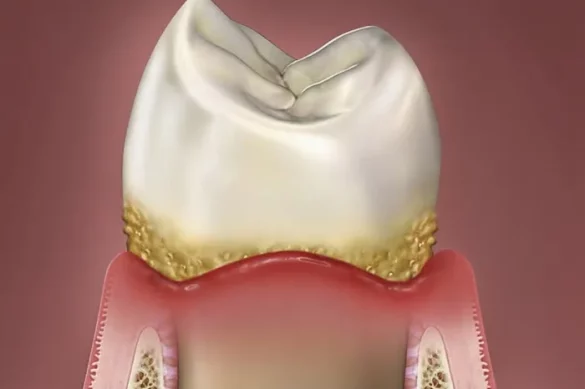
Periodontal disease, commonly known as gum disease, affects millions of people globally. It begins with mild symptoms and can lead to severe complications such as tooth loss. Many individuals wonder if it is possible to manage or cure periodontal disease without visiting a dentist. While professional dental care is essential for severe cases, there are practical methods you can follow at home to slow down the progression, minimize symptoms, and maintain oral health.
What Is Periodontal Disease?
Periodontal disease is an infection of the gums and surrounding tissues that support the teeth. It typically starts with gingivitis, the mildest form, which causes redness, swelling, and bleeding gums. If left untreated, it can progress to periodontitis, which destroys the bone and connective tissue holding your teeth in place. Advanced stages can result in loose or lost teeth and chronic pain.
Causes of Periodontal Disease
The main cause of periodontal disease is poor oral hygiene. When plaque—a sticky film of bacteria—builds up on teeth, it leads to inflammation and infection in the gums. Other risk factors include:
- Smoking
- Poor nutrition
- Chronic illnesses like diabetes
- Hormonal changes
- Genetics
Recognizing the Symptoms
To manage periodontal disease effectively, you need to recognize its early warning signs:
- Bleeding gums when brushing or flossing
- Persistent bad breath
- Swollen or red gums
- Receding gums (teeth looking longer)
- Loose teeth
- Pain while chewing
- Deep pockets forming between gums and teeth
If these symptoms are present, home care can help manage early stages, but severe cases need professional attention.
How to Cure Periodontal Disease Without a Dentist
There is no substitute for professional dental treatment, especially for advanced periodontal disease. However, simple daily habits and home remedies can make a significant difference in the early stages or serve as support between dental visits.
1. Brush Thoroughly and Regularly
Effective brushing removes plaque before it can cause damage. Brush your teeth at least twice a day, especially after meals. Use a soft-bristled toothbrush and a fluoride toothpaste. Make sure to brush gently along the gumline without causing injury.
2. Use Dental Floss and Water Flossers
Flossing cleans areas between the teeth and under the gum line where toothbrushes cannot reach. If traditional floss is difficult, water flossers are an excellent alternative. Their pulsating streams remove food particles and bacteria, helping reduce plaque buildup.
3. Adopt Natural Oral Rinses
Certain homemade rinses have antibacterial properties that may help:
- Saltwater Rinse: Mix half a teaspoon of salt in a glass of warm water. Swish around your mouth for 30 seconds, then spit it out.
- Baking Soda Rinse: Dissolve half a teaspoon of baking soda in water. Use as a mouthwash, but do not swallow.
- Hydrogen Peroxide (3% solution): Dilute with equal parts water. Rinse your mouth for 30 seconds then spit out, taking care not to swallow.
4. Oil Pulling With Coconut Oil
Oil pulling is an ancient hygiene practice. Swish a tablespoon of extra virgin coconut oil in your mouth for 15–20 minutes (do not swallow). This can reduce bacteria and improve gum health over time.
5. Boost Your Diet With Key Nutrients
A balanced diet strengthens your immune system and supports gum health. Focus on foods rich in vitamin C (citrus fruits, strawberries), vitamin D, calcium (dairy products, leafy greens), and zinc. Avoid sugary snacks and drinks to reduce plaque formation.
6. Drink Green Tea
Green tea is rich in antioxidants that help reduce inflammation and inhibit bacterial growth. Drink a cup daily for immune benefits and oral health support.
7. Use Herbal Remedies
Herbs like sage, peppermint, and echinacea have natural antibacterial and anti-inflammatory properties. You may use sage or peppermint oil (diluted) mixed with water as a gentle mouth rinse.
8. Maintain Excellent Oral Hygiene
Consistency is key to stopping periodontal disease at home. Develop a routine:
- Brush after each meal
- Floss once a day
- Rinse with an antibacterial mouthwash
- Avoid smoking
- Replace your toothbrush every three months
9. Control Underlying Health Issues
Chronic diseases such as diabetes can weaken the body’s defenses against infection, making gum disease harder to manage. Monitor these conditions closely with your doctor’s guidance and support your body’s ability to fight bacteria.
10. Manage Dry Mouth
A dry mouth can worsen periodontal disease, as saliva helps wash away bacteria. Drink plenty of water and chew sugar-free gum to stimulate saliva flow, particularly if you take medications causing dry mouth as a side effect.
Limitations of Home Remedies
While these home care strategies are essential for gum health, they have limitations. Home remedies can help manage early or mild periodontal disease and are effective for prevention. They do not replace professional treatments such as deep cleaning, scaling, root planing, or medication when the disease is advanced. Delayed dental intervention may result in tooth loss, severe infections, or underlying health complications.
When to See a Dentist
It is important to know when home care is not enough. Seek professional help if you experience:
- Persistent bleeding or swollen gums
- Severe pain when chewing
- Loose or shifting teeth
- No improvement after two weeks of consistent home care
- Signs of infection, like pus or swollen lymph nodes
Your dentist has specialized tools and knowledge to fully assess your gums, prescribe antibiotics, or perform deep-cleaning treatments that are not possible at home.
Prevention Is the Best Cure
Your best defense is regular oral hygiene and early action. By brushing and flossing daily, using antibacterial rinses, and eating a healthy diet, you can lower the risk of developing periodontal disease or prevent it from worsening. Smoking cessation and regular checkups are also crucial for lifelong healthy gums.
Conclusion
While curing advanced periodontal disease without a dentist is not possible, early-stage gum disease and mild symptoms can often be managed and improved with diligent at-home care. The keys are consistency, proper oral hygiene, and a healthy lifestyle. Home remedies and prevention strategies protect your gums and teeth, but they are not a substitute for a dentist’s expertise. Do not delay getting professional help if symptoms persist or worsen; your oral health is vital to your overall well-being.
Frequently Asked Questions
How long does it take to improve gum health at home?
With consistent good oral hygiene and home remedies, you may notice healthier gums in 1–2 weeks if your periodontal disease is in the early stages.
Can periodontitis be reversed at home?
Only mild forms of gum disease (gingivitis) are reversible with home care. Advanced periodontitis requires professional dental treatment.
What foods help fight gum disease?
Foods rich in vitamin C, calcium, and antioxidants—like oranges, leafy greens, cheese, and green tea—support healthy gums.
Is oil pulling effective for periodontitis?
Oil pulling can reduce oral bacteria and improve breath, but it is not a substitute for brushing, flossing, or dental treatment for advanced disease.
When should I seek medical help for gum disease?
If you have bleeding, pain, loose teeth, or no improvement after home care, see a dentist promptly for evaluation and treatment.