


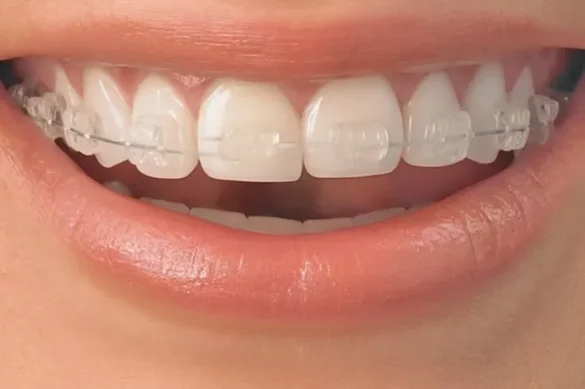
Ceramic braces are becoming increasingly popular among people who want to straighten their teeth with a subtle, aesthetically pleasing option. If you are considering ceramic braces, one of the most frequently asked questions is: How much time does ceramic braces treatment take? Understanding the duration and the factors that affect it can help you make an informed decision and set realistic expectations for your orthodontic journey.
What Are Ceramic Braces?
Ceramic braces are orthodontic devices made from tooth-colored materials that blend with your natural teeth. They offer all the functional benefits of traditional metal braces but are designed to be less noticeable. Because of their discrete appearance, ceramic braces are favored by teens and adults who want to maintain a natural look throughout their treatment.
Typical Timeline for Ceramic Braces Treatment
The standard treatment time for ceramic braces is usually between 18 and 36 months. For mild orthodontic issues, some patients may complete their treatment in as little as 12 months. However, more complex cases, such as severe misalignment, overbites, or overcrowding, can require up to three years or more. This treatment time is slightly longer compared to metal braces, which generally require about 18 to 24 months.
Stages of the Treatment Process
1. Initial Consultation (1-2 Weeks)
Your journey begins with a consultation. During this appointment, the orthodontist examines your teeth, takes X-rays, and discusses your goals. Impressions or digital scans are also taken to create a detailed treatment plan. Scheduling and completing this process usually takes one to two weeks.
2. Braces Placement (1-2 Hours)
The ceramic brackets are bonded to your teeth and connected with wires. This procedure is straightforward, lasting about one to two hours. Some patients experience mild discomfort as they adjust to the new appliances.
3. Adjustment Period (1-2 Weeks)
After placement, your teeth and gums need time to adapt. It is normal to feel some soreness or mild pressure as the teeth begin to shift. The adjustment phase typically takes one to two weeks.
4. Active Treatment and Monthly Adjustments (12–36 Months)
This is the longest phase of treatment. You will visit your orthodontist every four to eight weeks for adjustments. During these visits, the wires are tightened, and the progress is monitored. The active movement of the teeth occurs throughout this period, which can last between one and three years, depending on your individual needs.
5. Mid-Treatment Reviews (Intermittently)
About halfway through the process, your orthodontist will evaluate your progress. Treatment plans may be adjusted to ensure the best results. These evaluations are usually incorporated into regular appointments and do not add significant time unless modifications are necessary.
6. Braces Removal (1-2 Hours)
When your teeth have reached their optimal position, the ceramic braces are removed. This removal appointment takes about one to two hours. Your teeth are then cleaned to eliminate any adhesive residue, revealing your new smile.
7. Retainer Phase
After braces are removed, you will receive retainers to maintain your results. Initially, you may need to wear your retainer all day and night, later switching to nighttime wear only. The first six to twelve months after braces are crucial for stabilizing the teeth.
However, wearing a retainer is a lifelong commitment if you want to prevent your teeth from shifting back.
Main Factors That Influence Treatment Duration
Severity of Misalignment
Mild problems like small gaps or slightly crooked teeth generally require less time—usually 12 to 18 months. Severe misalignment, overbite, underbite, or crowding can extend treatment to 24 to 36 months or even longer.
Age of the Patient
Younger patients typically achieve faster results since their jawbones are still developing and more responsive to orthodontic movement. Adults might experience longer treatment because their bone structure is more rigid.
Patient Compliance
Consistently following your orthodontist’s instructions has a significant impact. This means practicing excellent oral hygiene, wearing any recommended appliances (such as elastics), and not missing any scheduled appointments. Poor compliance can delay progress and prolong the treatment.
Braces Maintenance
Ceramic brackets are more fragile than metal ones. If brackets break or become loose, they must be repaired or replaced. These setbacks can extend your overall timeline. Avoiding hard and sticky foods helps reduce the risk of damage.
Orthodontist’s Experience
A skilled and experienced orthodontist can make treatment more efficient and accurate. Professional expertise ensures that adjustments and plans are customized for optimal results.
Tips for Shortening Ceramic Braces Treatment Time
While some factors are outside of your control, there are steps you can take to keep treatment on schedule or even speed it up:
- Maintain excellent oral hygiene. Clean teeth will move more efficiently, and you’ll be less likely to develop dental issues that can slow your progress.
- Avoid foods that can damage your braces or increase filmy buildup, such as sticky or hard foods. This precaution minimizes the risk of delays caused by broken brackets.
- Wear any additional devices, such as elastics or expanders, as prescribed. These tools help correct specific bite issues and keep your treatment moving forward.
- Attend all scheduled orthodontic appointments and avoid postponing or missing them. Regular adjustments are essential for consistent progress.
- Ask your orthodontist about accelerating devices or support appliances that could help quicken your treatment if appropriate for your case.
Are Ceramic Braces Right for Me?
Ceramic braces are effective for both moderate and severe orthodontic problems, from minor crookedness to major bite issues. They provide a more cosmetic solution for those who wish to avoid the metallic look of traditional braces. However, ceramic braces may not be the best option for everyone. If you are concerned about staining or if you participate in activities that might increase breakage, discuss these points with your orthodontist before making a decision.
What to Expect While Wearing Ceramic Braces
Wearing ceramic braces requires some day-to-day changes:
- Brushing and flossing habits may need to be more frequent and thorough, especially to avoid staining.
- Certain foods and drinks (like tea, cola, blueberries) should be limited, as they can stain the ceramic brackets and even your teeth.
- Regular toothbrush changes, ideally every three to four months, help ensure effective cleaning.
The overall experience is similar to metal braces, but with the added benefit of less conspicuous hardware. Adhering to all the care instructions is vital—not just for oral health but also for keeping treatment on track.
Conclusion
On average, ceramic braces take between 18 and 36 months to complete treatment. The timeline depends mostly on the severity of your alignment issues, your age, and how closely you follow your orthodontist’s guidelines. Choosing ceramic braces offers the dual benefits of effective tooth movement and superior aesthetics. By committing to proper care and regular appointments, you can maximize your chances for a smooth—and on-time—orthodontic journey. If you are ready to achieve a straighter smile with confidence, ceramic braces may be the right choice for you.
Frequently Asked Questions
How soon will I start seeing results with ceramic braces?
Many patients notice the first subtle changes within 4 to 12 weeks. More significant improvements usually become clear after a few months.
Are ceramic braces slower than metal braces?
In some cases, ceramic braces take slightly longer because the brackets are more fragile and less force can be applied compared to metal braces. Typical treatment duration ranges from 18 to 36 months.
Can I speed up ceramic braces treatment?
Yes. Attending all appointments, maintaining excellent oral hygiene, wearing any additional appliances as directed, and preventing damage to the brackets can help shorten treatment time.
Are there special dietary restrictions with ceramic braces?
You should avoid hard, crunchy, and sticky foods to prevent damage. Limiting dark drinks and foods can also prevent bracket staining.
Will ceramic braces stain my teeth?
The ceramic brackets themselves are stain-resistant, but the elastic ties can discolor. Practicing good oral hygiene and dietary control will minimize staining risk.