


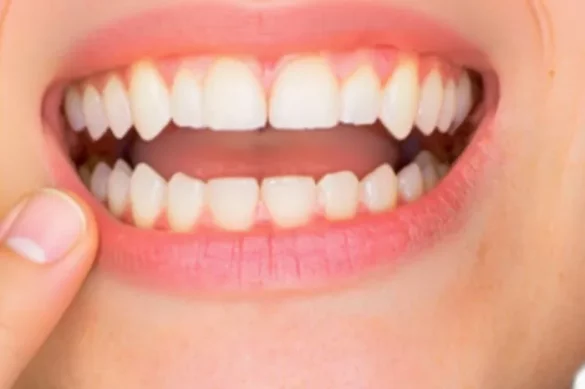
Gum disease is a common oral health problem that affects millions of people worldwide. Many wonder if simply brushing their teeth can cure gum disease. To answer this question, it’s important to understand what gum disease is, the role brushing plays, and why complete oral care and professional help can be crucial.
Understanding Gum Disease: The Basics
Gum disease, also known as periodontal disease, is primarily caused by bacteria forming plaque on teeth. The earliest stage is called gingivitis, which presents as red, swollen, and bleeding gums. If untreated, gingivitis can progress to periodontitis, a more severe condition where bone and tissue supporting the teeth are damaged. Gum disease develops slowly and often painlessly, so early symptoms might be missed.
The Role of Brushing in Gum Health
Brushing your teeth is one of the most important practices for maintaining oral health. Regular brushing helps remove plaque, the sticky film of bacteria that leads to gum disease. Using a soft-bristled toothbrush and fluoride toothpaste twice a day is recommended. Brushing along the gum line and reaching every tooth surface helps prevent the buildup of bacteria.
Brushing: What Does It Do?
Brushing disrupts and removes plaque before it hardens into tartar. Plaque is the main cause of gum inflammation (gingivitis).
By removing it, you prevent gum disease from developing or progressing. Gentle brushing also stimulates gum tissue, supporting health and healing.
The Limits of Brushing
While brushing is very effective at cleaning the mouth, it has its limits. Brushing cannot reach areas between teeth where bacteria and plaque may remain. Once plaque hardens into tartar, it cannot be removed by brushing alone. Advanced gum disease, especially periodontitis, affects the tissues beneath the gum line, where brushing simply cannot reach.
Can Brushing Alone Cure Gum Disease?
Early Stage: Gingivitis
Gingivitis is the earliest and mildest form of gum disease. If caught early, gingivitis can often be reversed with improved oral hygiene. Brushing twice daily, combined with flossing or using interdental brushes, is usually enough to clear up gingivitis for many people. Consistency is key. Skipping brushing or not cleaning well enough allows the disease to progress.
Beyond Brushing: Additional Home Remedies
For gingivitis, brushing should be combined with other habits:
- Flossing daily removes plaque from between teeth.
- Using antimicrobial mouthwash can help to kill germs that brushing leaves behind.
- Saltwater rinses soothe gums and reduce bacteria.
- Eating a diet rich in vitamin C, D, calcium, and omega-3s helps gums heal.
Even when symptoms improve, continued daily brushing and flossing are essential to prevent gum disease from returning.
Advanced Gum Disease: Periodontitis
Periodontitis is more serious. At this stage, simple brushing cannot cure the disease. The infection and inflammation have moved deeper into the gums and can damage bone. The buildup of tartar below your gums can only be removed with professional dental tools.
While brushing still helps slow the progression, professional treatment such as scaling and root planing is necessary. Sometimes, surgery is needed to restore gum and bone health. Brushing is important but not enough to cure advanced gum disease.
Why Professional Dental Care Matters
Regular dental checkups are essential for gum health. Dentists can detect signs of gum disease that might not be noticeable at home. Professional cleanings remove tartar and bacteria from places a toothbrush cannot reach. Your dentist will also advise on proper brushing technique, dental products, and the frequency of visits needed.
Professional treatments for gum disease include:
- Scaling and root planing (a deep cleaning of gums)
- Gum surgery in severe cases
- Repairs of dental work to eliminate irritants
Dentists may recommend specific mouthwashes or prescribe medicines to kill bacteria. Combining professional care with daily brushing gives you the best chance at curing and preventing gum disease.
Lifestyle Factors That Influence Gum Health
Good brushing alone may not be enough if your lifestyle harms your gums. Some key factors to consider:
- Smoking: Damages gums and slows healing, making gum disease worse. Quitting is crucial.
- Nutrition: Poor diet can reduce gum health. Plenty of fruits, vegetables, and healthy fats help gums fight infection.
- Stress: Chronic stress can weaken your immune system, leading to more severe gum problems.
- Diabetes and hormonal changes can make gum disease more likely and harder to treat. If you have these, work closely with your dentist.
How to Brush Effectively to Prevent Gum Disease
Effective brushing is more than just moving a brush around in your mouth. The right technique helps prevent and reverse early gum disease:
- Use a soft-bristled brush and fluoride toothpaste.
- Place the brush at a 45-degree angle to the gums.
- Gently brush in short strokes along the gumline and the surfaces of all teeth.
- Brush for a full two minutes, morning and night.
- Replace your toothbrush every three months or sooner if bristles fray.
Power (electric) toothbrushes can help some people clean their teeth more thoroughly. Ask your dentist if this option is right for you.
When to Seek Help Beyond Brushing
Brushing alone is often enough for healthy gums or mild gingivitis. But if you notice any of the following signs, it’s time to see a dentist:
- Red, swollen, or tender gums
- Bleeding when brushing or flossing
- Persistent bad breath
- Receding gums
- Loose teeth
Prompt dental care can prevent gum disease from becoming severe. Ignoring symptoms allows bacteria to keep damaging your gums and teeth. The earlier gum disease is caught, the easier it is to reverse.
Conclusion
Brushing is vital for gum health and can cure the earliest stage of gum disease, gingivitis, if done correctly and consistently. However, brushing alone cannot cure advanced forms of gum disease. For severe cases such as periodontitis, professional dental care is necessary. Complete oral hygiene—including brushing, flossing, healthy diet, and quitting harmful habits—gives you the best chance to prevent and reverse gum disease. Regular dental visits remain the best safeguard for a lifetime of healthy gums.
FAQs
Can I cure gum disease by brushing more often?
Brushing twice daily with good technique can reverse mild gum disease, but brushing alone cannot cure moderate or severe gum disease. For those cases, dental treatment is needed.
What is the best toothbrush to use for gum disease?
A soft-bristled toothbrush is best. Some people benefit from using an electric toothbrush, which may remove more plaque.
Does mouthwash help with gum disease?
Yes, antimicrobial mouthwash can support gum health by reducing bacteria, especially as part of a daily routine.
How long does it take for brushing to improve gum disease?
For early gum disease, effective brushing and overall oral hygiene can lead to improvement within a few weeks. If no improvement occurs, a dentist should be consulted.
Should I visit a dentist even if my gums start to heal?
Yes. Regular checkups ensure gum disease is properly treated and does not return. Your dentist can also advise on improving your oral care routine.