


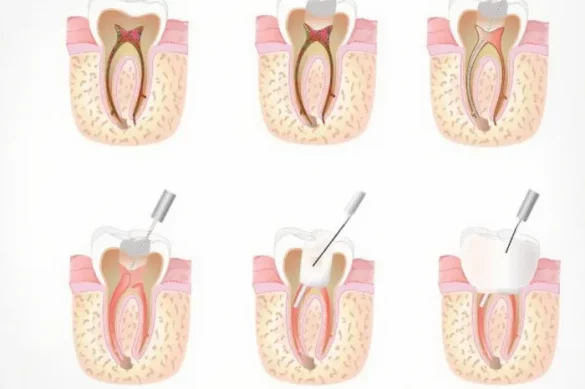
Root canal treatments are often necessary for saving teeth affected by infection or severe decay. Many people wonder whether dental insurance will help pay for the cost of a root canal, and if so, how easy it is to claim these expenses. Most dental insurance policies do offer coverage for root canals, but understanding exactly how this coverage works and how to file a claim is essential for patients seeking treatment.
Understanding Dental Insurance and Root Canal Coverage
Dental insurance is designed to reduce the financial burden of essential dental procedures. Root canals fall under the category of major dental treatments and can be expensive without insurance. Typically, dental insurance policies will list which procedures are covered, how much they cover, and what the patient’s financial responsibilities are. Coverage levels for root canals often range from 50% to 80% of the total cost, depending on your plan.
Key Terms in Dental Insurance Benefits
To understand your insurance benefits when planning a root canal, you must know the fundamental terms:
Deductible
The deductible is the amount you pay out-of-pocket before your insurance company begins covering costs. Annual deductibles can range from $100 to over $2,000, based on both the company and your plan type (individual or family). For example, if your annual deductible is $200 and the cost of your root canal is $1,000, you pay the first $200 and your insurance helps with the rest, based on your coverage limits.
Copayment or Coinsurance
Dental insurance rarely covers 100% of major procedures. For root canal treatment, insurance may pay 50–80%, meaning you pay the remaining percentage. If your plan covers 80%, you are responsible for the remaining 20%. Major dental work, including root canals and crowns, usually has lower coverage percentages compared to basic prevention services, such as cleanings and checkups.
Annual Maximum
Every dental insurance policy includes an annual maximum payout limit (often between $500 and $2,500 per year). Once your insurer has paid out this maximum toward claims in a given year, you are responsible for any extra costs.
Waiting Periods
Some dental plans set waiting periods before you can claim for major procedures such as root canals. A waiting period is typically six to twelve months from the initial start date of your policy. If you have a new policy and need treatment before the waiting period ends, you may be responsible for the full cost.
Preauthorization or Prior Authorization
Before you get a root canal, some insurers require a preauthorization form. This step involves submitting a claim form prior to the actual procedure. With insurer approval, you’ll have a clearer idea of the amount covered, reducing surprises when you’re billed.
When Can You Claim for a Root Canal?
To be eligible to claim for a root canal, your dental insurance policy must include endodontic treatments within the covered services. Most policies do, but some basic or low-cost dental plans only cover preventive services (such as exams and cleanings). Reading your policy carefully is crucial.
Claims can generally be made for a medically necessary root canal, not for elective dental procedures. The insurance provider may require supporting documentation such as dentist notes, x-rays, and treatment plans to confirm medical necessity. In rare cases, claims might be denied if the procedure is considered unnecessary or cosmetic. If this happens, your dental professional can often resubmit the claim with detailed information.
How to File a Root Canal Insurance Claim
The process to file a claim for root canal treatment usually involves these steps:
- Check with your dental provider to confirm they accept your insurance plan.
- Obtain a treatment plan and preauthorization as required by your insurance company.
- Your dentist or endodontist submits a claim after the procedure with all relevant documents.
- The insurance company reviews the claim and determines payment, based on your policy’s stipulations.
- You receive a bill for any remaining amount not covered by your policy (the copayment and deductible).
Some people have dual dental insurance coverage, meaning two insurance companies may help cover costs. In this case, the primary insurance pays first and the secondary insurance may cover some or all of the balance. This arrangement can be complex and is best discussed with both insurers and your dental practice prior to treatment.
What Factors Affect Your Claim?
Several factors can impact how much your insurance company pays toward your root canal claim:
- Provider Network: If you use a dentist outside your insurance network, your out-of-pocket cost might be higher, or your insurer may pay less or nothing at all.
- Coverage Limits: Amounts paid depend on coverage percentages, deductibles, and your annual maximum.
- Waiting Period: Claims made during the waiting period for major work may be denied or paid at reduced levels.
- Documentation: Failure to provide adequate evidence of treatment necessity can result in claim denial.
- Policy Inclusions/Exclusions: Your policy may exclude certain procedures or providers. Always review the policy in detail.
Claim Denial and How to Handle It
Even for needed procedures, claims can be denied for various reasons. Common causes include submitting claims before the waiting period ends, the procedure not being part of plan benefits, or missing paperwork. If you receive a denial, contact your dental office. Most can resubmit claims with additional evidence, such as new x-rays or a second dentist’s opinion.
Insurance During Emergencies and Special Circumstances
Sometimes, insurance companies may offer grace periods, extend deadlines, or relax documentation requirements during emergencies, such as natural disasters. For example, if you are affected by a wildfire, flood, or pandemic, your insurer might temporarily allow more lenient claim submissions and preauthorization processes. Always communicate with your provider about any special circumstances that could impact your ability to make a claim.
Root Canal Retreatment Coverage
If your root canal requires retreatment, most dental insurance plans may offer similar coverage for this secondary procedure, provided medical necessity is established. Just like with the first treatment, appropriate documentation and confirmation of benefits from your insurance company are important prior to proceeding.
Working With Your Endodontist and Insurance Company
Dental practices that perform root canals often have experience working with insurance companies. They can provide detailed estimates, help verify your benefits, and assist with claim filing. It is always advisable to discuss the costs and coverage with both the dental office and your insurer before treatment. Understanding your policy details, deductibles, copays, and limits will help you avoid surprises and keep costs under control.
Conclusion
Root canal claims can usually be made through dental insurance if your policy covers major restorative treatments and if all requirements are met. It is critical to read your policy, verify benefits, and ensure your provider is in-network before treatment. Preauthorization and documentation can help safeguard claims and minimize delays or denials. With proper preparation, patients can receive the care they need and make the most of their dental insurance benefits.
FAQs
Can all dental insurance plans cover root canal procedures?
No, not all plans do. Many comprehensive plans cover root canals under major dental work, but basic or preventive plans may not. Read your policy to confirm.
What if my claim for a root canal is denied?
Appeal the denial with additional documentation from your dentist, such as x-rays or a second opinion. Dental offices often assist with claim resubmission.
Is root canal retreatment covered by insurance?
Most policies cover retreatment if necessary, provided it meets the plan’s medical necessity criteria. Always check with your insurer first.
What is the typical coverage for root canal procedures?
Coverage typically ranges from 50% to 80% of the procedure cost, after deductibles and copays.
Do I need preauthorization before my root canal?
Some insurers require preauthorization before major dental work. Check with your insurance and dentist to clarify requirements.