


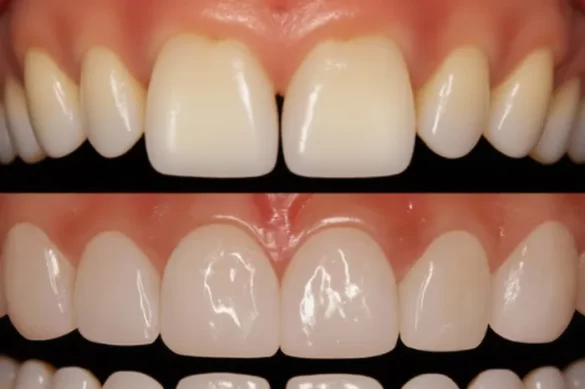
Tooth gaps, also known as diastemas, are common and can affect the appearance and function of your smile. Many people feel self-conscious about gaps between their teeth, but they may worry about expensive treatments or the look of traditional braces. Fortunately, modern dental care offers several effective methods for closing tooth gaps, some of which are very affordable. This article explains the cheapest ways to close gaps in teeth, who these options are best for, and addresses common questions to help you make an informed decision.
Why Do Gaps in Teeth Appear?
Tooth gaps can develop for many reasons. Sometimes, they are caused by genetics, where the size of the teeth and jawbone do not match, leaving spaces. Habits in childhood, such as thumb-sucking, can push teeth apart. An oversized labial frenum—the tissue between the upper lip and gums—can block the front teeth from closing together. In other cases, gum disease may weaken the bone that supports teeth, allowing them to shift and create spaces.
Gaps most often appear between the upper front teeth, but they can occur anywhere in the mouth. For some people, gaps are only a cosmetic concern. For others, gaps may impact how they bite, chew, or even speak. Food can also get trapped in the gaps, raising the risk of gum disease and cavities if not cleaned properly.
Why Close Tooth Gaps?
There are several reasons to consider closing a gap in your teeth:
- Aesthetic improvement: Many people feel more confident with a uniform smile.
- Better oral hygiene: Closing gaps reduces areas where food can get trapped, lowering the risk of plaque and gum disease.
- Function: Large gaps can affect how upper and lower teeth meet, causing bite problems and sometimes pain or difficulty chewing.
- Prevention: Spaces may cause or worsen shifting of other teeth over time.
The Cheapest Way to Close Tooth Gaps: Dental Bonding
Most dental experts agree that dental bonding is the most affordable way to close small and moderate tooth gaps. Dental bonding is a cosmetic procedure where a tooth-colored resin is applied to the teeth, shaped to fill the gap, and then hardened with a special light.
How Does Dental Bonding Work?
- Your dentist cleans and prepares the teeth on either side of the gap.
- A tooth-colored resin is applied to the teeth and carefully sculpted to look natural.
- The material is hardened with a curing light.
- The bonded area is shaped and polished further for a seamless finish.
The entire procedure usually takes just one visit and does not require removing any natural enamel. Dental bonding is painless, and often anesthesia is not needed.
Pros of Dental Bonding
- Low cost: Usually the most budget-friendly option for closing tooth gaps.
- Quick: Completed in one dental visit.
- Minimally invasive: No significant removal of tooth structure.
- Reversible: Bonding can be removed or replaced easily if needed.
Cons of Dental Bonding
- Longevity: Bonding lasts between 3 to 7 years, less than some other options.
- Staining: The resin can stain over time, especially with coffee, tea, or smoking.
- Durability: Bonding material can chip or wear with biting hard foods.
Despite these limitations, for many people with minor to moderate gaps, dental bonding remains the most accessible, fastest, and economical choice.
Other Affordable Ways to Close Gaps
While dental bonding is the cheapest for most people, other options may be suitable depending on your needs, budget, and dental health.
1. Composite Fillings or Tooth Reshaping
For very small gaps, dentists may use composite resin as a filling or reshape the edges of teeth slightly to make gaps less noticeable. Costs are usually low and similar to dental bonding. Results are immediate but may not be suitable for larger gaps.
2. At-home Clear Aligners
Clear aligners, like invisible trays that move teeth gently, have become more affordable in recent years. For people with mild to moderate gaps, at-home aligner kits can be much cheaper than traditional Invisalign or braces. Treatment takes several months. However, not all cases qualify for at-home clear aligners, and supervision from a dental professional is important to ensure safety.
3. Veneers
Dental veneers are thin shells made of porcelain or composite material, applied to the front of your teeth to cover gaps and other problems. Veneers are more expensive than bonding, but they last longer (10-15 years) and resist staining. Composite veneers, in particular, are cheaper than porcelain and can be a middle option for those seeking durability and a natural look. Veneers require removing some enamel and are a permanent change to your teeth.
Which Option Should You Choose?
Choosing the best and cheapest way to close a tooth gap depends on several factors:
- Size and location of the gap: Tiny gaps may be closed with bonding or reshaping; larger gaps may need aligners or veneers.
- Overall dental health: Gum disease or cavities should be treated first.
- Aesthetic goals: Some people prefer a natural look, while others want longer-lasting results.
- Budget: Discuss your budget with your dentist. They can recommend the most cost-effective strategy.
A professional dental evaluation is the best way to choose a safe and suitable treatment. Avoid DIY home methods, as these can damage teeth and gums, causing more expense in the long run.
Cautions: Avoiding Unsafe or DIY Methods
It is important to avoid DIY methods like using rubber bands or online kits that are not supervised by dentists. These approaches can damage your gums and teeth permanently, sometimes resulting in tooth loss. Always seek professional guidance before starting any dental treatment, even if cost is a concern.
Maintaining Results After Closing a Gap
After closing a gap with bonding or another method, good oral hygiene is important. Brush and floss regularly, and avoid biting hard foods with the treated teeth. Visit your dentist for regular checkups to ensure the restoration is secure and your teeth remain healthy. For people who grind their teeth at night, a night guard can help protect bonding or veneers from damage.
Conclusion
If you are searching for the cheapest way to close a gap in your teeth, dental bonding is often your best choice. It is quick, affordable, and can give you good results, especially for minor to moderate gaps. For larger or more complex issues, consider talking to your dentist about clear aligners, composite fillings, or veneers. The right option depends on your specific needs, dental health, and budget. Always prioritize safe, professional care to achieve the best and healthiest results for your smile.
FAQs
How long does dental bonding last?
Dental bonding typically lasts between 3 to 7 years, depending on your oral care habits and the location of the bonding.
Is dental bonding painful?
No, dental bonding is a painless procedure and often does not require anesthesia.
Are clear aligners cheaper than braces?
At-home clear aligners can be significantly cheaper than traditional braces, especially for minor gaps. However, they may not be suitable for everyone.
Can veneers close large teeth gaps?
Yes, veneers can close moderate to large gaps and provide a natural appearance, though they are more expensive than bonding.
Should I try to fix my tooth gap at home without a dentist?
No, you should never attempt to close tooth gaps by yourself. DIY methods can cause irreversible damage. Always consult a dental professional.