


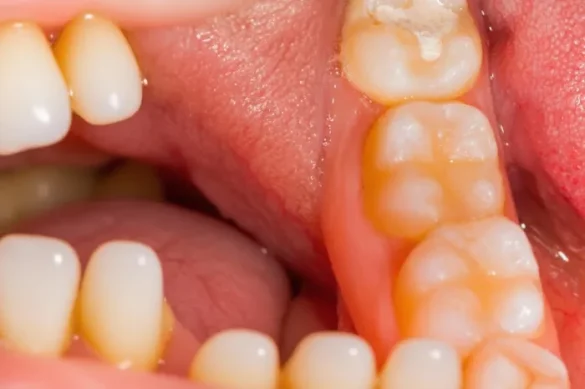
Tooth cavities are a common dental issue that affects people of all ages. When you have a cavity, your dentist will recommend filling the decayed part of the tooth to restore its strength and prevent further damage. The material used for cavity fillings plays a crucial role in the effectiveness and longevity of your dental restoration.
What Is a Cavity Filling?
A cavity filling is a dental treatment that restores a tooth that has been damaged by decay. When bacteria create small holes, or cavities, in your tooth, a dentist will remove the decayed tissue. After cleaning the area, the dentist fills the space with a special material to harden and seal the tooth. This process prevents further decay and restores normal tooth function.
Why Do Cavities Need Filling?
Cavities are areas where tooth decay has eroded the enamel, creating open pockets. If left untreated, cavities can lead to tooth pain, infection, and even tooth loss. By filling cavities, dentists stop decay from spreading and protect the inner structure of the tooth. Fillings also help maintain bite alignment and your ability to chew comfortably.
The Procedure for Filling Cavities
Dental cavity filling is a routine procedure performed under local anesthesia. Your dentist first numbs the area around the affected tooth to prevent discomfort. Then, using specialized tools, the dentist removes the decayed tissue. Once the cavity is clean, they select the most suitable filling material and fill the space. The material is shaped to match your tooth and hardened either chemically or using a special light.
Common Materials Used in Cavity Fillings
Dentists use several types of materials to fill cavities. Each has unique features, advantages, and disadvantages.
Amalgam Fillings
Amalgam is a popular choice, especially for molars and back teeth that handle most chewing. This material consists of a blend of metals, including mercury, silver, tin, and copper. Amalgam fillings are known for their durability and strength. They can last up to 10-15 years. Amalgam is usually less expensive than other options, but it is metallic and may be noticeable when you smile or laugh.
Composite Resin Fillings
Composite resin fillings are made of a mixture of plastic and glass or quartz particles. They can be custom tinted to match the color of your natural tooth, making them ideal for visible areas such as the front teeth. Composite fillings bond to your teeth, providing reliable support. They are more suitable for small to medium cavities and typically last between 5-7 years.
Gold Fillings
Gold has been used in dentistry for many years. Gold fillings are highly durable and do not corrode, lasting even longer than amalgam. However, they are much more expensive and require more than one visit for placement. While gold is visually distinct, some patients choose it for its longevity and strength.
Ceramic Fillings
Ceramic, mainly porcelain, is another aesthetic option for cavity fillings. Ceramic fillings are tooth-colored and can resist stains more effectively than composite resin. They generally have a lifespan similar to gold, but they can be costly. Ceramic fillings provide a natural appearance and are commonly used for visible teeth.
Glass Ionomer Fillings
Glass ionomer is a blend of acrylic and glass powder. It releases fluoride, which can help prevent further decay. These fillings are less durable and are typically used for small cavities or in areas with low pressure, such as around the gums or in children’s teeth. Glass ionomer fillings may need to be replaced after around five years.
Factors Influencing the Choice of Filling Material
When deciding which material is best for a cavity filling, several factors are considered:
- Location of the cavity (front vs. back teeth)
- Size and depth of the cavity
- Your budget and insurance coverage
- Aesthetic preferences
- Allergies or sensitivities to materials
- Dentist’s recommendation based on your oral health needs
Materials like amalgam and gold offer superior strength for back teeth, while composite and ceramic provide a discreet, natural look for visible teeth. Glass ionomer is often reserved for cases where fluoride release is beneficial.
How Long Do Cavity Fillings Last?
The lifespan of a cavity filling depends on the material and how well you care for your teeth. Amalgam and gold fillings often last 10-15 years or longer. Composite and ceramic fillings generally need replacement after 5-7 years. Glass ionomer can last around five years. Regular dental checkups help monitor the condition of your fillings.
Potential Problems With Cavity Fillings
Although cavity fillings are safe and effective, complications sometimes occur. For example, fillings can crack, fall out, or wear down due to chewing, teeth grinding, or trauma. A gap between the filling and the tooth can allow bacteria in, causing further decay. If you notice sensitivity, pain, or see visible damage to a filling, see your dentist promptly.
Care and Maintenance of Cavity Fillings
Looking after your cavity fillings is important for their longevity and your overall oral health:
- Brush twice daily with fluoride toothpaste
- Floss regularly
- Avoid very hard or sticky foods
- Visit your dentist at least every six months
- Use dental products designed for sensitive teeth if needed
If you have a history of clenching or grinding your teeth, ask your dentist about protecting your fillings.
When Should Fillings Be Replaced?
Over time, cavity fillings may wear out or break. Signs that a filling may need replacement include cracks, discoloration, or if you feel roughness with your tongue. Continuing to eat with a damaged filling can lead to more serious dental problems. Your dentist will recommend replacement if there is damage, or if new decay forms around the existing filling. In some cases, a crown may be needed for additional protection.
Conclusion
Cavity fillings are a vital procedure in dentistry for treating tooth decay and preserving oral health. They can be made from several different materials, each with unique strengths and benefits. Understanding what cavities are filled with helps you make informed choices when discussing treatment options with your dentist. Regular dental visits and proper oral hygiene will help your fillings last longer and keep your smile healthy.
FAQs
What is the safest material for cavity fillings?
All FDA-approved filling materials are safe, but composite resin and ceramic are popular for their appearance and safety profile.
Can I choose the material for my filling?
Yes, dentists will discuss options with you, considering cost, location, and personal preferences.
How do I know if my filling needs replacement?
Look out for signs like pain, sensitivity, cracks, or rough edges. Regular dental checkups can help spot problems early.
Do fillings prevent future cavities?
Fillings restore teeth but do not make them immune to future decay. Good oral hygiene is necessary to prevent new cavities.