


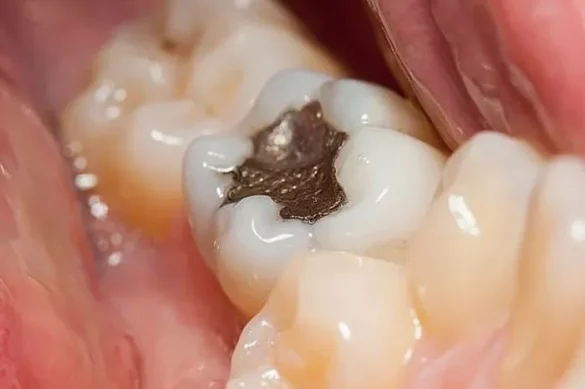
Hearing that you have 10 cavities can be worrying and even a little confusing. Many people wonder if this is normal or a sign of something serious. As dental health often reflects overall well-being, it’s important to understand what causes cavities, what is considered typical, and what steps can be taken to address and prevent further tooth decay.
What Is a Cavity and Why Does It Happen?
A cavity is a hole or decayed area that forms in the surface of a tooth. Cavities occur when bacteria in your mouth feed on sugars from your diet. The bacteria produce acids that weaken tooth enamel. If left untreated, these damaged spots can become deeper, affecting the sensitive parts inside the tooth.
Poor oral hygiene, frequent consumption of sugary foods and drinks, and not seeing a dentist regularly are the major contributors to cavity formation. Anyone can get cavities, regardless of age, and children may be especially vulnerable due to thinner enamel and less consistent brushing habits.
How Common Is It to Have 10 Cavities?
Dental cavities are extremely common. In fact, cavities are the most widespread communicable disease after the common cold. However, having 10 cavities at one time is not typical for most people who practice good oral hygiene, but it does happen. Some people, especially those who have struggled with oral care or who eat a lot of sugar, may have many cavities discovered during a visit.
Multiple cavities are more likely when oral hygiene habits are poor, dietary choices include frequent sugar, or dental care is inconsistent. Genetics can also play a role, as some individuals are more prone to enamel weaknesses or specific dental conditions. For children, experts suggest that ideally a child should not experience more than one or two cavities by the age of 10. However, some adults and teens report having 7 or even 10 cavities, particularly if habits have improved only recently.
Why Would Someone Develop So Many Cavities?
The number of cavities a person gets can be affected by several key factors:
- Oral Hygiene: Infrequent or ineffective brushing and flossing leaves plaque and bacteria. This promotes acid production and leads to enamel breakdown.
- Diet: High sugar consumption gives oral bacteria more fuel to produce acid. Sticky foods and sugary drinks are particularly damaging. Frequent snacking increases risk because it exposes teeth to acid more often.
- Genetics: Some individuals inherit thinner enamel or other vulnerabilities. This makes it easier for cavities to form, even with reasonable care.
- Fluoride Exposure: Fluoride helps strengthen enamel and makes it more resistant to acid. Insufficient fluoride, either in water or toothpaste, increases cavity risk.
- Regular Dental Care: Without professional cleanings and check-ups, plaque and tartar develop. These substances harbor bacteria, leading to rapid decay.
Many people who suddenly discover multiple cavities, such as 10, may have neglected dental visits or had periods of poor hygiene, sometimes during adolescence or busy times in life.
Does Having 10 Cavities Mean Something Is Wrong?
While having 10 cavities is not rare, especially in those who previously had poor dental hygiene, it is a signal that oral health needs attention. It is not something to be ashamed of or to view as a failure, but rather as an opportunity to make changes. Even diligent brushing cannot always undo years of damage if oral health was neglected. Once enamel is lost, it cannot grow back, so early intervention and ongoing care are key.
Some people may feel surprised after switching dentists and hearing about several new cavities. Diagnostic methods and dentist expertise can differ. X-rays may reveal cavities that were previously unnoticed. In complex cases, getting a second opinion or discussing x-ray results with the dentist is helpful to ensure appropriate treatment.
Effects of Multiple Cavities on Oral Health
Cavities may seem minor at first, but untreated cavities can lead to:
- Toothaches or pain when biting
- Sensitivity to hot or cold foods and drinks
- Infection, abscesses, or swelling
- Difficulty eating, affecting nutrition
- Emotional effects like embarrassment or self-consciousness
In advanced cases, cavities can require serious treatment such as root canals or extractions. This is why addressing cavities, even small ones, is critical for maintaining oral function and confidence.
Prevention: How to Reduce Your Risk of Cavities
It is possible to prevent future cavities, even if you have had many in the past. Here are professional recommendations:
- Brush Twice Daily: Use a soft-bristled brush and fluoride toothpaste. Focus on brushing the entire tooth, especially near gums. Electric toothbrushes often improve results.
- Floss Each Day: Clean between teeth and gently go below the gumline. Don’t forget the last tooth in each row.
- Use High-Fluoride Toothpaste: Standard fluoride toothpaste provides protection, but stronger options (5000ppm) may be suggested by dentists in high-risk cases.
- Control Your Diet: Limit sugary and sticky snacks. Choose water over soda, and eat balanced meals rich in vegetables and whole grains.
- Swish with Water: If brushing isn’t possible after eating, rinse your mouth vigorously with water to remove acids and particles.
- Visit the Dentist Regularly: Professional cleanings remove tartar, and fluoride treatments after cleanings can cut decay risk by 30%. Yearly visits are a minimum; some need more frequent check-ups.
- Consider Sealants and Other Treatments: For some children and adults, sealants provide a physical barrier protecting tooth surfaces against bacteria and acids.
These preventive steps help protect teeth from ongoing decay and reduce the likelihood of more cavities forming in the future.
Treatment for Multiple Cavities
When a dentist diagnoses several cavities, treatment depends on severity and location:
- Fillings: Most cavities that are not too deep can be repaired with fillings. This stops decay and restores the structure of the tooth.
- Sealants: For early-stage decay or for high-risk teeth, sealants are a protective measure.
- Root Canal: If decay reaches the tooth nerve, a root canal may be needed to save the tooth.
- Extractions: Severely damaged teeth may need removal if they cannot be saved.
Communication with your dentist is essential. If you’re concerned about the diagnosis, discuss x-ray results or obtain a second opinion. Good dentists should be transparent about findings and willing to explain the necessity of each suggested treatment.
Why Early Detection Matters
Detecting cavities early prevents pain and complicated procedures. Small cavities are easier to fix, and addressing them quickly means less tooth structure is lost. Modern dental procedures are very effective in restoring teeth and maintaining oral health. Regular exams play an important role in catching problems before they escalate.
Emotional and Social Considerations
Having multiple cavities can lead to embarrassment or self-doubt. This is common among teens and adults alike. The important thing is to use this experience to make positive changes. Dental problems are common and treatable. With proper care, your oral health can improve, and risks of future cavities can be minimized.
Conclusion
While having 10 cavities at once is not ideal, it is not unheard of, nor does it mean that oral health cannot be restored. Cavities result from a combination of factors, including past hygiene habits, diet, genetics, and dental care patterns. Addressing them quickly with professional help, adopting strong preventive strategies, and maintaining regular dental check-ups can ensure future dental wellness. No matter your history, healthier teeth are always possible with consistent effort and sound dental advice.
FAQs
Can adults have 10 cavities at once?
Yes, while less common, adults can have 10 cavities, especially after periods of poor hygiene, sugar intake, or irregular dental care.
Should I be embarrassed about having many cavities?
No. Cavities are extremely common and a treatable part of oral health care. The important step is seeking treatment and prevention.
How can I correct past dental problems?
Treat existing cavities, improve daily hygiene, reduce sugar in your diet, and schedule regular dental visits. Your oral health can improve with time.
Do fillings for multiple cavities weaken teeth?
Professional fillings restore tooth function. Dentists aim to preserve as much healthy tooth as possible when treating decay.
When should I seek a second opinion?
If you’re surprised by the number of cavities diagnosed, or unsure about treatment options, discuss concerns with your dentist or consider another dental consultation.