


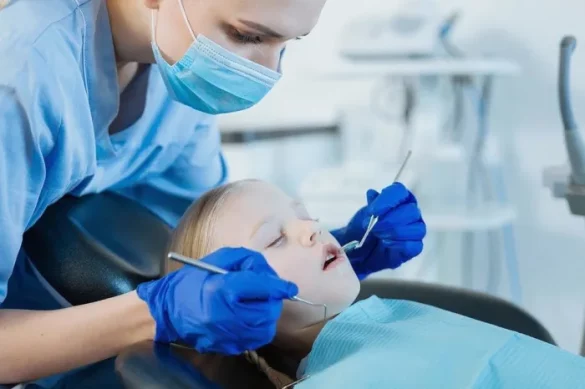
Dental procedures can sometimes be frightening for young children, especially for those only 2 years old. Some dental treatments require a child’s complete stillness, or the dental work may be extensive and uncomfortable. In these situations, dental anesthesia or sedation is offered to help children receive necessary care without distress or pain. Parents often worry: Is dental anesthesia safe for a 2-year-old?
Understanding Dental Anesthesia in Toddlers
Dental anesthesia is used to keep children comfortable and still during dental procedures. In children as young as two, it is often recommended for cases of severe fear, inability to cooperate, or when there are multiple cavities or infections that require treatment all at once. Dentists and pediatric specialists understand that each child is unique, and the approach depends on the specific dental issue, medical history, and the child’s behavior.
Types of Dental Anesthesia for Young Children
There are several different types of anesthesia and sedation used in pediatric dentistry. Each has its own safety profile and is selected based on the child’s needs:
Nitrous Oxide (“Laughing Gas”)
This is the mildest sedation and is inhaled mixed with oxygen. The child remains awake but feels relaxed and happy. This approach is less invasive and wears off quickly after the procedure. It is often suitable for minor dental work or for children who are somewhat cooperative but anxious.
Mild and Moderate Sedation
Oral or intravenous medications can make children feel sleepy and calm. With mild sedation, children remain awake but are less aware of what is happening. Moderate sedation makes them drowsier, though most can still respond and breathe on their own. It’s useful for kids who have some anxiety but can follow instructions.
Deep Sedation
In deep sedation, intravenous medications help the child sleep through the procedure. During this level, a child may not be able to maintain their airway or respond normally. This requires very close monitoring and is done by professionals specifically trained in pediatric sedation.
General Anesthesia
General anesthesia is the strongest option. The child is completely asleep and unaware of the treatment. This is used for very young children, including 2-year-olds, especially if they have significant dental problems or cannot cooperate due to fear, developmental delay, or special health care needs. General anesthesia is given in settings that are specially equipped for close monitoring, such as hospitals or advanced dental clinics.
Safety Guidelines for Dental Anesthesia
Safety is the top priority when using sedation or anesthesia in young children. Since 2019, strict guidelines from organizations like the American Academy of Pediatrics (AAP) and the American Academy of Pediatric Dentistry (AAPD) require:
- At least two trained professionals in the room at all times. One is focused on the dental procedure, and the other (such as an anesthesiologist, nurse anesthetist, or specially licensed dentist) is there to monitor the child’s vital signs and provide life support if needed.
- Continuous monitoring of heart rate, breathing, blood pressure, and oxygen levels during the entire procedure and until the child is awake enough to go home.
- Use of the safest, shortest-acting medications possible for the child’s size and medical situation.
These steps have greatly improved the safety of dental anesthesia for toddlers, making serious complications rare.
Weighing the Risks and Benefits in 2-Year-Olds
No medical procedure is completely without risk. However, for dental anesthesia in healthy 2-year-olds, modern practices have made the risk very low, especially for short procedures. The most important factors that affect safety include:
- Duration of anesthesia: Short procedures (under two hours) have a very low risk for complications and no proven long-term developmental impact in healthy toddlers.
- Child’s overall health: Children with chronic illnesses, respiratory or heart conditions, or certain syndromes may have increased risk. The dental and anesthesia teams will review the medical history and may require a pediatric consultation before proceeding.
- Experience of providers: The skill and training of the dental and anesthesia team significantly affect safety.
For children younger than 2, or when very long procedures are needed, studies suggest there may be a small risk of effects on brain development. However, single or brief exposures to anesthesia below three hours are not proven to cause lasting problems.
When Is Dental Anesthesia Needed for a 2-Year-Old?
The decision to use dental anesthesia in a 2-year-old is never made lightly. Dentists will recommend general anesthesia or deep sedation if:
- The child has multiple cavities, severe dental infection, or pain that cannot be managed while awake.
- The child is unable to cooperate despite efforts such as gentle encouragement, “laughing gas,” or mild sedation.
- There is significant fear, anxiety, or behavioral challenges that make dental care impossible without anesthesia.
- Delaying treatment poses a real risk to the child’s health. Dental infections can spread, causing pain, eating problems, fever, or even health risks to major organs.
Whenever possible, preventive measures, fluoride therapy, and parent education are used to avoid the need for anesthesia in very young children. But when needed, proper dental treatment under anesthesia can prevent serious complications.
Preparing Your Child for Dental Anesthesia
If your 2-year-old needs dental anesthesia, you will be given clear instructions by the dental team. Some general guidelines include:
- No solid food for 6–8 hours (and no clear liquids for 2 hours) before anesthesia, to reduce the risk of vomiting or aspiration.
- Health screening before the procedure, possibly including a pediatrician’s consultation for children with special health needs.
- Explanation of risks, benefits, and alternatives. Parents must give informed consent.
- Most children wake up within 30 minutes of the procedure. Some may be sleepy, cranky, or nauseous afterward, but these usually go away within a few hours.
- You will be given post-procedure instructions before going home.
Who Is Responsible For Monitoring and Safety?
Only professionals with specialized training should administer and monitor deep sedation or general anesthesia in children. According to guidelines, one provider (dentist or oral surgeon) focuses on the dental surgery, while another independent observer (anesthesiologist, nurse anesthetist, or specially trained dentist) monitors your child at all times. This team approach allows for the best possible response in case of emergency and maintains the highest safety standard.
Communication Is Key: Questions to Ask Your Dentist
Parents have every right to ask questions and should feel empowered to discuss:
- Who will administer the anesthesia?
- Who will be present to monitor my child?
- What are the staff’s qualifications and experience with small children?
- How will my child’s vital signs be monitored?
- How many procedures like this have you performed?
- What are the emergency procedures in your facility?
Good communication ensures you feel comfortable and that the care team is properly prepared for your child’s unique needs.
Conclusion
Dental anesthesia can be safe for 2-year-olds when careful guidelines are followed, and trained professionals are present. The decision to use anesthesia is based on your child’s individual health, the complexity of dental problems, and the need for safe, effective treatment. Though there are small risks with any anesthesia, the risks of untreated dental infection or pain can be greater. Parents should discuss all options, ask questions, and make informed choices together with their pediatric dental team. Advances in monitoring and professional requirements have made dental anesthesia in young children safer than ever before.
Frequently Asked Questions
Is it normal for a 2-year-old to need anesthesia for dental work?
Yes, when dental problems are significant or the child cannot cooperate, anesthesia may be necessary to ensure safety and comfort during treatment.
What is the main risk of anesthesia for young children?
The main risks are breathing issues during the procedure and, rarely, allergic reactions or complications with longer exposure. These are minimized with modern monitoring and professional standards.
How long does it take for a 2-year-old to recover after dental anesthesia?
Most children wake up within 30 minutes, but they may remain drowsy or irritable for a few hours. Complete recovery is usually expected the same day.
Can dental anesthesia affect my child’s brain development?
Current evidence shows that one short exposure (less than three hours) is unlikely to cause lasting effects on development in healthy toddlers.
What can I do to make the process safer for my child?
Follow all pre-procedure instructions, choose an experienced dental team, and ask questions to understand the process. Always share your child’s full medical history with the team.