


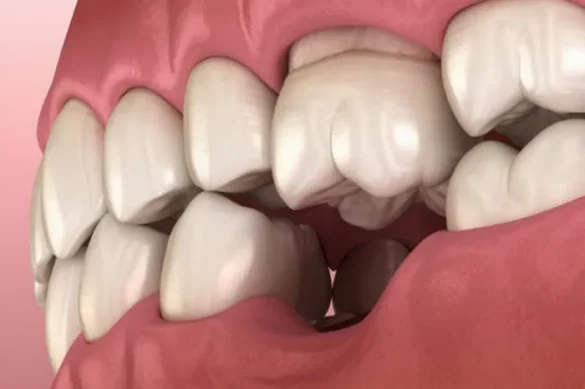
Many adults and teens are curious about how quickly teeth can shift, particularly after completing orthodontic treatments. Teeth movement is a natural process, but the rate and degree of shifting can vary based on several factors. Understanding how quickly teeth shift and how to prevent unwanted movement is important for anyone looking to preserve a healthy, aligned smile.
What Causes Teeth to Shift?
Teeth shifting is the process where teeth gradually move out of their current positions. Several factors contribute to this movement. One of the most common causes is the absence of consistent pressure, such as after braces or aligners are removed. Braces work by applying gentle pressure to guide teeth into the correct positions. After the appliances are taken off, that pressure disappears, making teeth prone to return to their former alignment. This is why wearing a retainer is critical after orthodontic treatment.
Other contributors include certain oral habits, such as chewing on hard objects or biting nails, which can place additional force on teeth and encourage shifting. Additionally, grinding or clenching the teeth, a condition known as bruxism, can accelerate tooth movement. Hormonal changes, especially during pregnancy, may also cause teeth to loosen slightly and change position. Even natural growth and aging can affect tooth alignment over time.
How Quickly Can Teeth Start to Move?
Teeth do not shift overnight, but the process can start sooner than many people realize. Small, sometimes invisible changes can occur within a few weeks of ending orthodontic treatment—especially if retainers are not used as prescribed. Initially, these movements are subtle and may go unnoticed. However, neglecting retainer use can result in more significant changes within months.
In most cases, major noticeable shifting usually takes years, but the risk is highest during the first few months post-treatment. Relapse—where teeth begin to return to their original positions—can start with just a few weeks of not wearing a retainer. The movement tends to be slow, but over time, even slight shifts can affect both appearance and oral health. It is important to understand that each person’s rate of change will depend on their own biology, oral habits, and how closely they follow their dentist’s instructions.
Factors That Influence Tooth Movement
Multiple elements determine how fast teeth may shift:
Retainer Compliance
Wearing a retainer as directed by your orthodontist is the most crucial factor in preventing rapid tooth movement. Retainers provide the necessary pressure to maintain results and keep teeth in place. Even brief lapses in retainer use—such as not wearing it for a few nights—can trigger movement.
Oral Habits
Frequent chewing of hard foods, ice, or non-food items applies extra force, which can influence tooth positioning over time. Likewise, grinding and clenching teeth can hasten undesired shifts. These habits are damaging not just for alignment but for overall dental health.
Biological Changes
Natural growth, aging, or specific life events like pregnancy can shift the teeth by loosening the supporting bone and tissue. Some people are genetically predisposed to more movement or relapse after treatment, making it even more vital for them to adhere to proper retention protocols.
Physical Trauma
Sports injuries or accidental impacts can physically move teeth or influence their positions. Using a mouthguard during contact sports is an effective preventive measure.
Preventing Rapid Teeth Shifting
The key to maintaining a straight smile is adopting daily habits that protect your teeth’s alignment after orthodontic work is done.
Wear Your Retainer Consistently
This is the number one rule for preventing fast teeth movement. Your orthodontist will advise you on how often to wear your retainer. It is important to follow this schedule closely, as retainers help stabilize your teeth during the critical months immediately after braces or aligners.
Practice Good Oral Hygiene
Brushing and flossing prevent gum disease, which can weaken the bones and ligaments supporting your teeth. Healthy gums and bone tissue keep your teeth secure. Regular dental checkups and professional cleanings are also crucial.
Avoid Harmful Foods and Habits
Stay away from hard or sticky foods that could bend your retainer or disturb your teeth. Avoid chewing on pens, your fingernails, or crunching on ice, which can create micro-movements leading to long-term shifts.
Protect Your Teeth During Activities
If you play contact sports, always wear a professionally fitted mouthguard. Not only does this protect your teeth from injury, but it also helps preserve your orthodontic results.
Address Nighttime Grinding
If you suspect you grind or clench your teeth, talk to your orthodontist or dentist. A nightguard can prevent damage to your teeth and stop shifting caused by excessive pressure.
Why Does Some Shifting Still Happen Over Time?
Teeth are anchored in the jawbone by tissues that naturally remodel throughout life. Even without any bad habits or missed retainer nights, small shifts may still occur with age. This is entirely normal. The dental arch tends to narrow as we get older, and some slight crowding—especially of the lower front teeth—can be expected.
Regular follow-ups with your dental professional and lifetime retainer use (at least part-time) can help keep any movement to a minimum.
When to See Your Orthodontist About Teeth Shifting
It’s important to recognize early signs of shifting. If your retainer feels tighter than usual, if you notice new gaps or overlapping, or if you experience discomfort, make an appointment with your orthodontist promptly. Early intervention can often reverse minor shifts before they become bigger problems.
Conclusion
Teeth shifting is a gradual but preventable process that begins shortly after orthodontic treatment concludes. While significant tooth movement takes time, noticeable shifting can start in just weeks if retainers are neglected. Adhering to best practices—like wearing your retainer, maintaining good oral hygiene, and protecting your teeth—can keep your smile aligned for many years to come. Regular communication with your orthodontist ensures lasting results and gives you the best chance of maintaining a beautiful, healthy smile for life.
Frequently Asked Questions
How fast can my teeth move after removing braces?
Minor dental movements can begin within weeks of stopping retainer use, though major changes are more common over months or years.
Why do my teeth shift even if I wear my retainer?
Teeth may shift slightly due to normal aging or changes in your bones and gums, but consistent retainer wear dramatically reduces the amount and speed of movement.
Can I stop teeth shifting completely?
While it’s impossible to eliminate all movement, wearing your retainer and practicing healthy habits keeps shifting minimal.
What should I do if my teeth start to move out of place?
Contact your orthodontist as soon as you notice any change. Early treatment can often restore proper alignment.