


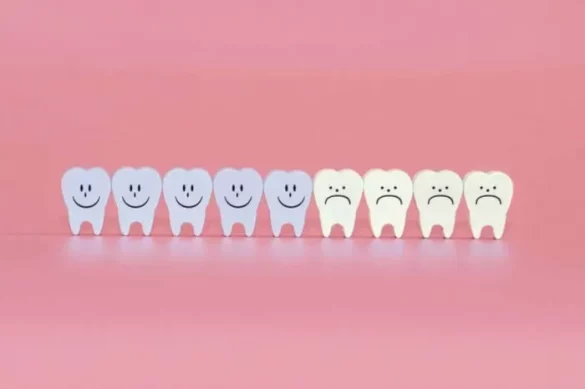
Many people are surprised to find their teeth turning yellow, even if they brush regularly and avoid heavily pigmented foods or drinks. One possible, yet often overlooked, reason for tooth discoloration is vitamin deficiency, particularly a lack of vitamin D. In this article, we will explore whether vitamin D deficiency can cause yellow teeth, how the body and teeth are affected by this important nutrient, and what steps you can take for a brighter, healthier smile.
What Is Vitamin D and Why Does It Matter for Teeth?
Vitamin D is an essential nutrient often called the “sunshine vitamin” because our bodies produce it when exposed to sunlight. It is crucial for overall health, especially for bones and teeth. Vitamin D helps the body absorb calcium, which is a key mineral that keeps teeth and bones strong. Without enough vitamin D, the calcium you eat or drink cannot be properly absorbed. This can lead to weaker teeth, which are more at risk for problems like decay, sensitivity, and discoloration.
How Does Vitamin D Affect Dental Health?
Vitamin D plays several important roles in dental health:
1. Calcium Absorption
Vitamin D greatly boosts your body’s ability to use calcium from food and supplements. Calcium is necessary to build and maintain strong tooth enamel, the hard, protective outer layer of the tooth. Without enough vitamin D, your body cannot use calcium properly. This makes enamel weaker and more thin, allowing the yellowish layer beneath the enamel (called dentin) to show through. As a result, your teeth may appear more yellow.
2. Enamel Health and Hypoplasia
Enamel is what gives teeth their white color. If you do not get enough vitamin D, especially when teeth are developing in childhood, the enamel may not form correctly. This condition is called enamel hypoplasia. Teeth with hypoplasia are more likely to have stains or become yellow because the enamel is thin or poorly formed, making it easier for food pigments or bacteria to discolor the teeth.
3. Jawbone and Tooth Stability
Your teeth are supported by the jawbone. Vitamin D also helps keep the jawbone strong by supporting bone density. If your jawbone weakens due to vitamin D deficiency, it can lead to tooth loss and gum problems. Gums that recede or become inflamed often make teeth look yellow because more of the tooth surface or even the roots—which are naturally more yellow—are exposed.
4. Immune System Support
Vitamin D helps regulate the immune system, which is important to fight off infections in the mouth. Poor immune function can lead to gum disease or increased plaque, both of which can make teeth appear yellow and unhealthy.
Can Vitamin D Deficiency Directly Cause Yellow Teeth?
There is no single cause for yellow teeth. Many factors play a role, such as drinking coffee or tea, smoking, aging, or genetics. However, scientific evidence suggests that vitamin D deficiency can make yellow teeth more likely by weakening enamel and increasing the risk of dental problems. When enamel becomes thin or damaged, more of the naturally yellow dentin layer is visible. Vitamin D deficiency may also lead to more cavities or gum disease, which can add to the yellow appearance.
It is important to note that vitamin D deficiency rarely acts alone as the cause of tooth discoloration. Instead, it is one piece of a larger dental health puzzle. However, keeping your vitamin D levels within a healthy range will help you avoid this contributing factor to yellow teeth.
Recognizing the Signs of Vitamin D Deficiency
Symptoms of vitamin D deficiency are not always obvious. Some signs related to dental health and general health include:
- Weak, brittle, or sensitive teeth
- Increased risk of cavities
- Bleeding or inflamed gums
- Fatigue and muscle weakness
- Bone pain or frequent fractures
If you notice several of these symptoms along with changes in the color or strength of your teeth, you may want to ask your dentist or doctor about checking your vitamin D levels.
How to Increase Vitamin D Intake for Better Dental Health
To help protect your teeth against discoloration and weakness related to vitamin D deficiency, consider these practical steps:
Sun Exposure
Spend 10–30 minutes outside in sunlight several times a week. The exact time required may depend on your skin tone, weather, and where you live. Always take care not to get sunburned.
Diet Choices
Add more vitamin D-rich foods to your meals. Good sources include fatty fish (like salmon or mackerel), egg yolks, liver, fortified milk, and some cereals.
Supplements
For some people, especially in winter months or those who do not eat animal products, a vitamin D supplement may help. Always consult a healthcare provider before starting any supplements.
Oral Hygiene
Even if you improve your vitamin D levels, daily dental care remains crucial. Brush twice a day with fluoride toothpaste, floss to remove plaque, and have routine dental check-ups for professional cleaning and advice.
What Else Causes Yellow Teeth?
Vitamin D deficiency is just one possible reason for yellow teeth. Other common causes include:
- Drinking coffee, tea, red wine, or dark sodas
- Smoking or tobacco use
- Certain medications
- Poor oral hygiene
- Aging (enamel naturally wears down with time)
- Genetic factors (some people naturally have thicker, whiter enamel than others)
Conclusion
Vitamin D deficiency can play a significant role in the appearance and health of your teeth. By interrupting proper calcium absorption and weakening tooth enamel, a lack of vitamin D increases the risk of teeth becoming yellow and more vulnerable to decay. While it is not often the sole cause of yellow teeth, taking action to maintain healthy vitamin D levels through sunlight, diet, and supplements, along with good oral hygiene, can help prevent tooth discoloration and promote a brighter smile. Regular dental check-ups remain key, as your dentist can identify early signs of both deficiencies and dental damage, guiding you toward the healthiest choices.
FAQs
Can taking vitamin D supplements whiten my teeth?
Taking vitamin D supplements can help strengthen enamel and support overall dental health, but they are unlikely to make teeth whiter if other causes of discoloration are present. Professional whitening or improved oral hygiene may also be needed.
What are the best natural sources of vitamin D?
Fatty fish such as salmon, egg yolks, fortified dairy products, and sunlight exposure are excellent sources of vitamin D.
Should I see a dentist if my teeth are turning yellow?
Yes, a dental professional can identify the cause of yellow teeth and check for deficiencies or dental issues. They can also recommend the best whitening or treatment options tailored to your needs.
Is vitamin D deficiency the most common reason for yellow teeth?
No, it is one possible reason among many. Staining from foods and drinks, poor oral hygiene, and aging are more common causes, but vitamin D deficiency can contribute, especially when other factors are present.