


Many people look for ways to brighten their smiles at home, and teeth whitening strips are a popular choice. If you want the best results from your whitening strips, the time you use them each day plays a major role. Selecting the right moment helps maximize whitening effects and can also help minimize tooth sensitivity.
Understanding Teeth Whitening Strips
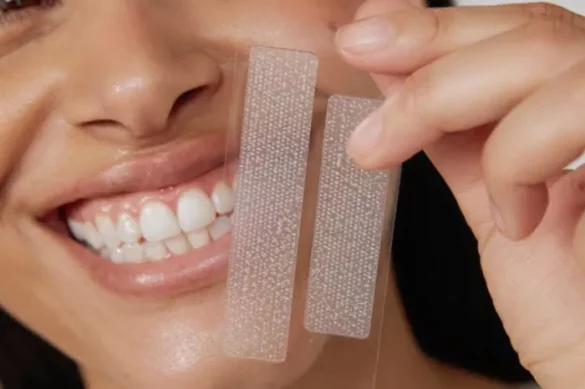
Teeth whitening strips are thin pieces of flexible plastic that contain a peroxide-based whitening gel. They work by sticking to the surface of your teeth, allowing the whitening agent to break down stains over a specific period of time. These strips are designed for convenient use at home and are simple to apply.
Preparing Your Teeth Before Using Whitening Strips
Before applying whitening strips, it is important to clean your teeth properly. Most professionals recommend brushing your teeth with a wet toothbrush only, without toothpaste. This step removes surface debris and opens the tiny pores in your enamel, making the whitening agent more effective. Avoid using toothpaste right before applying the strips because fluoride and certain ingredients can form a layer on the teeth that limits the strips’ contact and effectiveness. After brushing with just water, rinse your mouth thoroughly.
Morning vs. Night: Timing Your Whitening Strip Application
Many people wonder if it is better to use whitening strips in the morning or before going to bed. Both options have their advantages, but experts often suggest using whitening strips at night. This timing has several benefits.
First, applying whitening strips at night minimizes the risk of exposing your freshly treated teeth to staining foods or drinks. After using whitening strips, the pores in your enamel remain open and can easily absorb pigments from dark-colored foods and beverages such as coffee, red wine, or berries. By using the strips at night, you are less likely to eat or drink anything that could cause new stains before your enamel recovers.
Second, many users experience slight tooth sensitivity after whitening. If you use the strips before bed, you give your teeth several hours to recover while you are asleep. By the time you wake up the following day, any minor sensitivity often fades, leading to a more comfortable experience.
Key Factors to Consider with Whitening Strip Timing
Sensitivity Concerns
People with sensitive teeth often prefer using whitening strips at night. Increased sensitivity is a common side effect, especially right after removal. Sleeping helps you avoid temperature changes or acidic food and drinks that could aggravate your teeth. This simple timing adjustment can significantly reduce discomfort.
Minimizing Staining Risks
The hours after whitening are crucial. During this time, enamel pores are open and highly receptive. Consuming coffee, tea, soda, berries, or smoking can reverse the whitening effect, making your efforts less effective. By using strips at night and abstaining from eating or drinking until morning, you give the whitening agent time to set and your enamel to return to its normal state.
Personal Routine and Consistency
Consistency is essential for any teeth whitening regimen. If applying strips at night fits your daily schedule and makes it easier to remember, stick to that habit. The most important rule is to follow the specific instructions for your chosen brand, whether it recommends daily or twice daily application. Do not apply strips more often than directed, as this can erode enamel and cause long-term damage.
Proper Application Techniques
Even if you choose the right time, application technique matters. Always align the strip with your gum line and press firmly to ensure full contact with the teeth surface. Fold any excess behind your teeth for complete coverage. Try not to let the strips touch your gums to protect delicate tissue from irritation. Leave the strips on for the product’s specified time—overuse does not deliver better results and can increase side effects.
After removing the strips, gently brush and floss to remove gel residue and reduce the risk of irritation. Do not eat or drink dark-colored products immediately afterward. Wait at least two hours before consuming anything other than water.
Product-Specific Instructions Matter
Teeth whitening strip brands may differ in how often and how long the strips should be worn. Some regimens require use once a day, while others may call for twice. Application time can range from five minutes to almost an hour. Always start by reading and following your product’s instructions for safe and effective results.
How Long Should You Use Whitening Strips?
The length of your whitening program is also product-dependent. Some strips work in as few as seven days, while others may recommend a course lasting up to a month. Using the strips longer or more frequently than indicated will not speed up your results. In fact, overuse increases the risk of tooth sensitivity, gum irritation, and enamel damage. Finish the full course, then wait several months before repeating treatment.
Foods and Drinks to Avoid After Whitening
Regardless of when you use whitening strips, pay attention to your food and beverage choices in the hours after application. For the best and longest-lasting whitening, avoid coffee, tea, red wine, sodas, and dark berries right after use. If you must eat or drink, choose water or pale foods that are less likely to stain. Follow this rule for at least two hours or according to the product’s advice.
Cautions About Whitening Strip Use
Teeth whitening strips are generally safe when used as directed. Never exceed the recommended frequency or wear time. Applying strips to unclean teeth or over already sensitive teeth can worsen issues. If you develop lingering sensitivity, visible gum irritation, or any unusual symptoms, stop use and consult your dentist. People with existing dental problems, gum disease, or dental restorations should also seek a professional opinion before whitening at home.
Conclusion
The best time to put on teeth whitening strips is typically at night, right before bed. This timing minimizes exposure to staining foods and drinks, helps reduce tooth sensitivity, and supports a consistent routine. However, it is important to follow your product’s instructions and practice good oral care before and after application. Healthy preparation, correct timing, and proper maintenance ensure you achieve the whitest smile safely and effectively.
FAQs
Can I use teeth whitening strips in the morning?
Yes, but you should avoid eating or drinking colored foods and beverages for a few hours after application to prevent staining.
How often can I use whitening strips?
Follow the instructions on your product, typically once daily. Do not exceed the recommended amount of applications.
What should I do if I experience tooth sensitivity after using strips?
Try using the strips at night, and use a toothpaste for sensitive teeth. Allow breaks between treatments if sensitivity persists.
Should I brush my teeth before or after using whitening strips?
Brush before with water only, then brush and floss as normal after removing the strips.
When will I see results from teeth whitening strips?
Most users notice results within a week, but the timing depends on the brand and the severity of staining.