


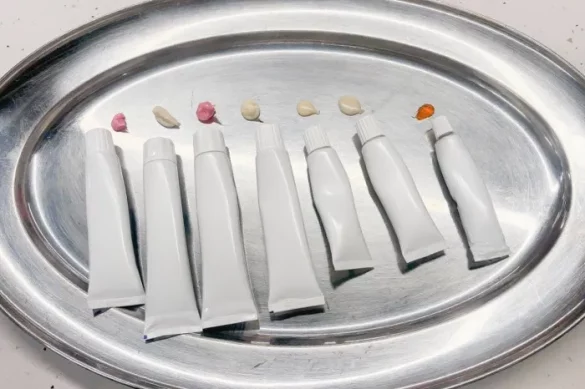
Losing teeth often leads to gradual bone loss in the jaw, a process that can change the shape of your mouth and make your dentures fit less securely. For many people, the resulting looseness or poor fit of dentures is a daily struggle, commonly leading to discomfort, sores, and reduced confidence. Fortunately, denture adhesives can improve denture stability and greatly enhance the quality of life for denture wearers with bone loss. But with countless options on the market, choosing the best product is not always straightforward.
Understanding Denture Adhesives and Bone Loss
Bone loss occurs naturally in the jaw following tooth extraction. Over time, this can cause the gums and underlying bone to shrink, creating gaps between your dentures and soft tissues. The reduced surface area means dentures are more likely to slip, particularly in the lower jaw. Denture adhesives act as a thin, sticky film that fills in minor spaces and creates suction, helping dentures stay in place. For patients with moderate to severe bone loss, adhesives often become an essential part of daily denture care.
What Makes a Denture Adhesive Good for Bone Loss?
Choosing an adhesive for bone loss is different from choosing one for a well-fitting denture. People with bone loss often have less gum tissue to anchor their dentures, so they need extra holding power, cushioning, and long-lasting stability. The ideal adhesive should:
- Offer a strong, reliable hold to resist slipping and movement
- Help seal out food particles to prevent irritation and soreness
- Be gentle on sensitive gums and oral tissues
- Be easy to apply and remove without causing additional trauma
- Minimize risks of toxicity, allergy, or residue buildup
Let’s look at the six best denture adhesives recommended by prosthodontic experts for those with bone loss.
1. Super Poligrip Free Denture Adhesive Cream
Super Poligrip Free is a top choice for people dealing with bone loss. This cream stands out because it is zinc-free, which lowers the risk of zinc-related side effects from overuse. It delivers a long-lasting hold and creates a protective seal that keeps out food particles. The formula is free from artificial flavors and dyes, making it a suitable option for users with sensitive gums. Its creamy texture allows for even application and a secure grip, critical for stabilizing ill-fitting dentures.
2. Fixodent Extra Hold Denture Adhesive Powder
Powder adhesives are often preferred by those seeking a lighter feel with robust adhesion. Fixodent Extra Hold provides reliable performance, making it a strong candidate for patients with moderate to severe bone loss. Its powder formula can be evenly distributed for a thin, secure film that fills micro-gaps—commonly present due to bone resorption. Easy to apply and less messy than creams, Fixodent’s powder also helps prevent food from getting trapped under the dentures, which can lead to discomfort.
3. Cushion Grip Thermoplastic Denture Adhesive
Bone loss often leads to irregular gum contours and sore spots. Cushion Grip is a thermoplastic adhesive that acts both as a soft liner and an adhesive. Once heated and applied, it molds directly to the gums, making it a valuable product for those with resorbed ridges and poor tissue support. Its unique formula lasts up to four days, offers cushioning, and helps absorb shocks while eating and speaking. Cushion Grip can significantly extend comfort for people with loose dentures due to bone loss.
4. Secure Waterproof Denture Adhesive
Secure Waterproof stands apart by offering a non-water-soluble adhesive formulated for extended wear. Particularly helpful for users with dry mouth or those who eat and drink frequently, this adhesive provides a strong bond that resists washout. Its waterproof nature ensures your denture stays in place all day, reducing the need for reapplication—a key benefit for those facing the instability caused by severe bone loss. The zinc-free recipe further increases its safety profile.
5. Ezo Denture Cushions
For many patients, bone loss creates significant gaps or irregular spaces between the denture and gums. Ezo Denture Cushions are a type of adhesive pad that fills these spaces and improves overall denture stability. The cushion not only adds comfort but also minimizes movement by adapting closely to the changing contour of the jaw. Pre-sized pads are especially useful for upper dentures and for sealing gaps due to bone resorption. Moisten before application for best results.
6. BioForce Plant-Based Denture Adhesive
Users seeking a natural alternative may benefit from BioForce Plant-Based Denture Adhesive. Made with glycerin, pine resin, and natural gums, this adhesive delivers reliable results without the synthetic chemicals found in standard products. While natural adhesives usually offer somewhat lighter holding power and require more frequent application, they may be more comfortable for people with allergies or sensitivities. As with all products, effectiveness can vary depending on the severity of bone loss.
Expert Tips for Using Denture Adhesives with Bone Loss
- Always use the minimal amount required; excessive use is not a substitute for proper fit and may lead to oral health risks or zinc toxicity (if present in formula).
- Clean your dentures thoroughly each day to prevent residue buildup and irritation.
- Consider soft liners for extreme bone loss; these materials can cushion and protect fragile tissue but should ideally be fitted by a prosthodontist.
- If you notice increased soreness, persistent looseness, or need more adhesive over time, schedule a dental visit to assess your fit.
When to Choose a New Denture or Reline
Denture adhesives offer a helpful short-term fix for instability, but they cannot compensate for major changes in oral structures. Over time, jaw bone loss will continue, leading to increasing gaps and a declining fit. If you need larger and larger amounts of adhesive to keep your denture in place, it’s a strong sign that your denture needs adjustment or replacement. Regular dental appointments for relining or remaking your denture are key to maintaining both comfort and oral health. Relying only on adhesives may lead to ongoing irritation, further bone loss, or infection if poorly fitting dentures are left unaddressed.
Conclusion
Choosing the right denture adhesive is crucial for people experiencing bone loss. Super Poligrip Free Cream, Fixodent Extra Hold Powder, Cushion Grip, Secure Waterproof, Ezo Denture Cushions, and BioForce Plant-Based Adhesive each offer unique benefits. Selection should be based on fit, oral sensitivity, lifestyle, and product preferences. Proper cleaning, regular review of denture fit, and dental consultations are essential. Denture adhesives can restore stability and comfort, but they are not a substitute for professional care.
FAQs
Which denture adhesive is safest for bone loss?
Zinc-free adhesives like Super Poligrip Free and Secure Waterproof are very safe options. Thermoplastic and plant-based adhesives also minimize risk of allergies and toxicity.
What is the best adhesive for extremely unstable dentures due to severe bone loss?
Cushion Grip Thermoplastic and Ezo Denture Cushions are ideal for very unstable cases, but you should consult a prosthodontist about relining or new dentures.
How often should denture adhesive be reapplied?
Most adhesives last a full day, but natural or soft formulas might require more frequent application. Persistent need for reapplication suggests your denture may need adjustment.
Can using too much denture adhesive cause problems?
Yes. Overuse can lead to oral irritation, poor cleaning, and in rare cases, toxicity. Always use adhesives as directed.
When should I seek dental advice about denture fit?
Visit your dentist if you notice increased discomfort, new sore spots, or frequent slippage that is not resolved with adhesive. Regular dental check-ups help maintain oral health and optimal denture function.