


Understanding how much a dental implant costs on the NHS can be confusing, especially as dental implants are usually regarded as one of the most advanced forms of tooth replacement. For many patients in the United Kingdom, securing dental implant treatment through the NHS is challenging and involves strict eligibility requirements. As dental health is vital to quality of life, knowing your options regarding dental implant costs is essential.
What Is a Dental Implant?
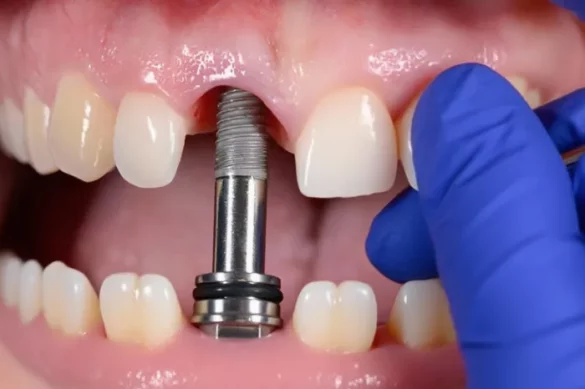
A dental implant is a small titanium post placed into the jawbone to act as a permanent replacement for a missing tooth root. An artificial tooth (the crown) is then attached to this post, making dental implants look and function like natural teeth. Unlike dentures or bridges, implants offer a secure and long-lasting solution for tooth loss. They are especially beneficial when only one or a few teeth are missing and you wish to avoid altering healthy neighboring teeth.
Are Dental Implants Available on the NHS?
Normally, the NHS offers dental care ranging from routine check-ups and fillings to more serious treatments. However, dental implants are not a standard part of NHS dental services. They are considered a specialist solution, typically reserved for patients whose medical conditions make them exceptionally necessary. This means most patients seeking dental implants must look to private clinics unless they can prove a clear medical need.
Who Qualifies for NHS-Funded Dental Implants?
Eligibility for NHS-funded dental implants is strict. To qualify, you must demonstrate an exceptional clinical need. Patients that succeed in securing implants through the NHS often have serious health issues such as:
- Severe loss of jawbone following treatment for head or neck cancer
- Major facial trauma due to accidents
- Congenital deformities that impair oral function
Routine tooth loss, decay, gum disease, or age-related dental problems do not meet the criteria. Children under 18, pregnant women, and those on certain benefits may be entitled to free NHS dental care, but dental implants are not included in automatic entitlements. All cases must be separately justified and approved based on specialist evaluation.
The Reality: Rejection Rates and Strict Criteria
Studies and NHS figures show that about 95% of all dental implant applications to the NHS are rejected. This is mainly because most cases do not meet the severe clinical requirements. Regional differences in policy and funding also mean that even if your case is considered serious, approval might not be granted in every area. The main focus of NHS implant funding is restoration of basic oral function when other treatments (such as dentures or dental bridges) will not work.
How Much Does a Dental Implant Cost Privately?
Since NHS approval for dental implants is rare, most people must seek private treatment. The cost of a dental implant from a private dentist in the UK generally ranges from £2,000 to £3,500 per tooth. This price includes the surgical placement of the implant, the abutment (connector), and the crown. Final costs can vary depending on the complexity of the case, materials used, the need for bone grafting, and the reputation of the dental practice. For example, if you need extra procedures such as bone augmentation, costs can rise further.
The upfront cost may seem high, yet it can be cost-effective compared to lower priced overseas procedures that may not offer similar guarantees or aftercare. Patients often mention the value of convenient follow-up care and the reliability of having treatments carried out by established dentists in the UK.
Are There Alternatives to Dental Implants?
For people who do not qualify for NHS-funded implants, other dental options exist. You may consider:
- Dental bridges: A less invasive way to replace missing teeth when adjacent teeth are healthy.
- Dentures: Removable prosthetics to replace several or all missing teeth.
- Payment plans: Many clinics offer financing to spread the cost of private implants.
- Charitable funding: Certain charities sometimes help with costs for those in need.
Your dentist can guide you through suitable alternatives that may restore function and appearance at a lower cost or through different funding arrangements.
What Should You Expect If Applying for NHS Dental Implants?
If you believe you qualify for NHS-funded dental implants, the application process often starts with your NHS general dentist. They will assess your case and determine if specialist referral is appropriate. Expect to undergo detailed examinations and provide medical reports or evidence related to your condition. If your situation does not fit the NHS definition of exceptional need, your application is very likely to be declined. Being prepared for alternative routes is important.
Why Are NHS Dental Implants So Restricted?
Dental implant surgery is complex and costly. NHS resources are limited, and the system prioritizes essential dental care for the greatest number of people. Implants are seen as a last resort when health or basic oral function cannot be achieved by traditional means. By law, the NHS must allocate funds fairly and efficiently, which means only a tiny fraction of people can receive implants through public funding.
Private vs NHS Dental Implants: Considerations
Choosing between NHS or private dental implant treatment comes down to eligibility and personal circumstances. Private treatment is more accessible but has higher costs. Some patients are tempted by cheaper options abroad, but careful consideration is required due to differences in regulation, follow-up care, and potential hidden costs.
Tips for Minimizing Dental Implant Costs
If you are considering private dental implants, here are steps to help keep costs down:
- Seek consultations at different UK clinics to compare rates and inclusions
- Ask about payment plans or dental insurance policies that may help finance treatment
- Ensure quotes cover all necessary procedures, including imaging, surgery, and aftercare
- Verify dentist credentials and reviews to ensure quality and avoid risky shortcuts
The Importance of Professional Advice
Getting professional dental advice is critical before committing thousands of pounds to treatment. A dentist can evaluate your suitability for implants and outline every cost involved. They can also recommend alternative procedures tailored to your dental health and budget.
Conclusion
Dental implants provide an excellent solution for missing teeth, but NHS funding is only available for a very limited number of people with serious clinical needs. Most UK patients will need to seek private treatment, where costs are generally between £2,000 and £3,500 per tooth. Understanding NHS criteria, knowing about alternative treatments, and shopping carefully for private care are essential first steps in your dental journey. Always consult a qualified dental professional before deciding on any major dental procedure.
FAQs
How much does a dental implant cost on the NHS?
Most patients are not eligible for NHS-funded dental implants. Private implants typically cost £2,000–£3,500 per tooth.
Who qualifies for dental implants on the NHS?
Only those with severe clinical needs, like post-cancer surgery, major trauma, or congenital issues, may qualify.
Can children, pregnant women, or people on benefits get free dental implants?
Automatic NHS entitlements do not include dental implants, which require separate clinical approval.
What are the alternatives to dental implants?
Options include dentures, dental bridges, payment plans, and in some cases, charitable assistance.
Is it safe to travel abroad for cheaper dental implants?
Lower costs overseas may come with higher risks and limited follow-up care. Thoroughly check credentials before choosing treatment abroad.