


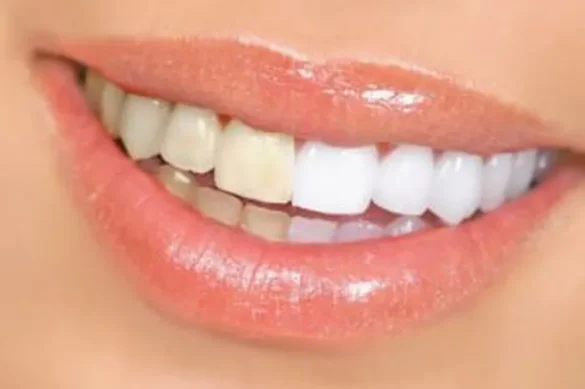
Have you looked in the mirror and noticed that one part of your tooth is white while another part is yellow? This is a common concern for many people and can lead to questions about oral health and aesthetic appearance. Understanding why your tooth shows two different colors is essential, not just for appearance, but also for maintaining your dental health.
What Causes a Tooth to Be Half White and Half Yellow?
A tooth that shows both white and yellow areas can be the result of several different dental and lifestyle factors. The most frequent situation is that the edge or biting surface of the tooth appears white, while the area closer to the gum line looks yellow. Several key reasons explain this type of coloration.
Enamel and Dentin: Natural Tooth Structure
Teeth are made of multiple layers. The outermost layer is called enamel, and it is naturally white. Beneath this hard protective shell lies the dentin, which is a yellowish tissue. If your tooth enamel is thinner near the gum line, the color of the underlying dentin can become more visible, resulting in a yellow appearance in that area.
Plaque and Tartar Accumulation
Another important reason for half white, half yellow teeth is the buildup of plaque and tartar. Plaque is a soft film made up of bacteria, food byproducts, and proteins. It often collects near the gum line and, if not removed regularly by brushing and flossing, can harden into a substance called tartar. Tartar is yellow and sticks strongly to teeth, especially at the gum line. The tip of the tooth, which gets more regular cleaning during brushing, often remains whiter.
Staining from Food, Drinks, and Habits
Certain foods and drinks can cause extrinsic stains on the enamel. For example, coffee, tea, red wine, and smoking tobacco can all make teeth appear more yellow, especially near the gums where plaque can trap more stains. Over time, this can result in your teeth displaying both white and yellow areas.
Aging and Natural Changes
As we age, the enamel on our teeth naturally wears down, especially near the base or gum line. This makes the yellow dentin underneath more visible. Older adults may notice their teeth are whiter at the tips and more yellow at the roots. This is not unusual and is a sign of the natural changes in teeth over the years.
Trauma or Dental Procedures
A history of trauma to the tooth or previous dental treatments can affect the color as well. Some restorative materials may stain over time or disturb the natural translucency of enamel, leading to a patchy appearance where one area is whiter and another is yellower.
The Role of Oral Hygiene
Maintaining proper oral hygiene is key in preventing and addressing uneven tooth coloring. Regular brushing and flossing help remove plaque before it can harden into tartar. If plaque is left in place, especially near the gum line, bacteria can produce acids that damage enamel, making the yellow dentin more visible and increasing the risk of gum disease.
How to Prevent and Treat Yellowing of the Tooth
If you notice yellowing near the gum line, it is essential to act early. Here are some effective preventive steps:
1. Brushing Properly and Regularly
Brush your teeth at least twice a day, focusing on all surfaces. Use a soft-bristled toothbrush and make sure you reach the gum line, where plaque tends to collect.
2. Flossing Daily
Floss once a day to remove food particles and plaque between teeth and near the gums. Flossing is necessary because brushing alone does not reach between the teeth or under the gum line.
3. Choosing the Right Toothpaste
Use a toothpaste with tartar control or whitening properties. Look for products approved by dental organizations for effectiveness and safety.
4. Rinsing with Mouthwash
Using an antiseptic mouthwash can help reduce bacteria in the mouth and improve gum health, reducing the chances of yellow tartar forming at the gum line.
5. Diet and Lifestyle Choices
Limit intake of sugary and starchy foods, as they feed bacteria and encourage plaque. Avoid or reduce habits like smoking, which can increase the risk of tartar and staining.
6. Visiting the Dentist Regularly
Routine dental exams and cleanings are vital. Dentists and hygienists use special tools to remove tartar that brushing and flossing cannot, especially if tartar has already formed at the gum line. Professional advice can also help determine the precise cause of uneven tooth color and recommend specific treatments.
When to See a Dentist
If you notice that your teeth are changing color or are unevenly colored, professional evaluation is important. Persistent yellowing, especially near the gums, may be an early warning sign of tooth decay or gum disease. Dental professionals may suggest scaling to remove hardened tartar, and they can advise on whitening procedures if needed.
Sometimes, dental discoloration indicates other issues such as cavities or enamel erosion. Early detection and treatment can prevent more serious dental problems and help you maintain a bright, healthy smile.
Cosmetic Treatments for Dual-Colored Teeth
If discoloration is primarily due to stains or surface problems, you may consider whitening treatments. Over-the-counter whitening strips, gels, and toothpaste can help in some cases. For more noticeable or stubborn stains, your dentist can offer professional whitening solutions or restorative techniques to create a more uniform appearance.
If the problem is related to the structure of the tooth or advanced enamel loss, more complex treatments such as bonding, veneers, or crowns may be recommended to restore the tooth’s natural look and strength.
Conclusion
Having a tooth that is half white and half yellow is a common occurrence, typically linked to differences in enamel thickness, plaque and tartar buildup, aging, lifestyle habits, or past dental work. Good oral hygiene practices, regular dental visits, and timely professional care are the best ways to prevent and treat this uneven discoloration. If you notice persistent changes in your tooth color, consult a dental professional who can identify the cause and help you choose the most effective treatment.
FAQs
Why are my teeth whiter at the edge but yellower near the gum line?
The enamel is usually thinner near the gum line and tends to trap more plaque and tartar, which are yellow. This makes that area look more yellow compared to the tip of the tooth.
Can brushing alone fix yellow teeth near the gums?
Brushing can remove plaque and reduce surface stains, but only professional cleaning can remove hardened tartar or address deeper staining.
Should I be worried if my tooth is both white and yellow?
You should not panic, but it is a sign to improve your oral hygiene and visit the dentist. This might be an early warning of gum disease or enamel wear.
Will whitening treatments fix a tooth that’s half white and half yellow?
Whitening treatments may help if the discoloration is from surface stains. If the cause is tartar or structural changes in the tooth, a dentist’s intervention is necessary.