


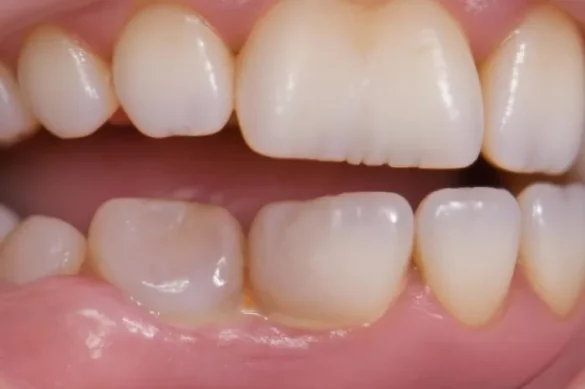
A cavity, also known as tooth decay or dental caries, is a common dental issue that affects people of all ages. It starts as a small damaged area on the surface of your tooth and, if not treated, gradually turns into a deeper hole. Cavities do not only affect children. Adults, teens, and even babies can develop cavities if proper oral care is not maintained. But what actually happens if you have a cavity for a long time without treatment? Understanding the stages and risks can help you take better care of your oral health.
What Causes a Cavity?
Cavities form when the hard surface of a tooth begins to break down. This process starts as acids produced by bacteria in your mouth dissolve tooth enamel. Eating sugary foods and drinks, having dry mouth, and poor oral hygiene can all contribute. Additionally, health problems like eating disorders or acid reflux may increase the risk by exposing teeth to more acids.
Early Signs of a Cavity
Recognizing a cavity early is important. In the beginning, you may not feel any pain. Some people notice white, brown, or black spots or stains on the surface of a tooth. Increased sensitivity when eating cold, hot, or sweet foods may also appear. Sometimes, there may be a mild toothache or spontaneous pain. These symptoms should not be ignored, as early intervention often leads to easier treatment.
How Long Can a Cavity Go Untreated?
Many people wonder how long they can wait before seeing a dentist about a cavity. In some cases, a cavity may not hurt or show any obvious signs for several months. However, just because there is no pain does not mean damage is not happening. Within as little as three to six months, an untreated cavity can reach deeper layers of the tooth, including the nerve, which can make the condition far more serious. Regular dental checkups are vital for detecting cavities early before they progress.
What Happens If You Leave a Cavity Too Long?
Leaving a cavity untreated for an extended period can lead to a number of complications:
Progression of Decay
At first, the decay only affects the enamel, which is the outermost layer of your tooth. If not treated, the cavity will grow and reach the dentin—the softer, inner layer. When the cavity reaches this stage, your tooth may become more sensitive and painful.
Severe Toothache and Pain
Once the decay advances, pain tends to increase. The pain may be sharp or throbbing, and it often gets worse when eating or drinking something cold, hot, or sweet. This discomfort is caused by the exposure of nerves inside the tooth.
Infection and Abscess Formation
If the cavity goes untreated and bacteria reach the innermost part of the tooth, called the pulp, infection can develop. This infection can lead to a pocket of pus known as an abscess. Abscesses can be very painful, cause swelling in the gums or face, and may even lead to fever and general illness. In rare cases, this infection can spread to other parts of the body, resulting in life-threatening complications.
Tooth Loss and Alignment Problems
Large, untreated cavities can destroy so much of the tooth structure that the tooth can no longer be repaired. This may require extraction of the tooth. Losing a tooth may cause the remaining teeth to shift out of alignment, affecting chewing and the balance of your bite. This can lead to further dental problems and make future dental treatments more complicated.
Difficulty Chewing and Eating
Pain from advanced cavities can limit what you eat. You may avoid favorite foods or find it difficult to chew. This can affect your nutrition, particularly in children, and contribute to overall health issues.
Risks for Children and Adults
Untreated cavities can be especially serious for children because their teeth are still developing. Infection can spread quickly, possibly affecting future adult teeth. For adults, risks include severe infections, dental emergencies, and expensive treatments that could have been avoided with earlier intervention.
How Do Dentists Treat Cavities?
Dentists assess the severity of the cavity to decide on treatment:
Fillings
For small to moderate cavities, the decayed part is removed and the hole is filled with a dental material, such as composite resin. This restores the tooth’s function and stops further decay.
Crowns
If most of the tooth is damaged, a crown may be placed over the remaining tooth to provide strength and protection. Crowns cover the entire tooth and prevent breakage.
Root Canals
When decay reaches the pulp and causes infection or irreversible damage, the dentist may perform a root canal. This involves removing the nerve and infected tissue, then sealing the space to protect the tooth. A crown is usually placed after a root canal.
The Importance of Early Treatment
Getting dental issues treated early saves you from pain, more extensive treatments, and higher costs. Cavities in their early stage are usually painless and easy to restore. Left too long, they become emergencies that require more complex procedures. Regular dental visits and good hygiene practices are your best protection against cavities.
How to Prevent Cavities
Brushing teeth twice a day with fluoride toothpaste and flossing daily can help prevent cavities. Avoid eating too much sugar and see your dentist regularly for checkups and cleanings. Ask your dentist about dental sealants, especially for children, as these can prevent decay in hard-to-reach places.
Conclusion
A cavity may seem harmless at first, especially if you do not notice any pain. However, leaving a cavity untreated for too long can have serious consequences. It can progress from a small hole in the enamel to deep infection, severe pain, tooth loss, and even threaten your overall health. Regular dental appointments and good home care are fundamental for keeping your teeth healthy. If you suspect a cavity, do not wait—see your dentist promptly to avoid long-term harm.
FAQs
How quickly can a cavity become serious?
A cavity can progress significantly within three to six months, especially without good oral hygiene.
What is the most serious complication from leaving a cavity too long?
The most severe risk is a dental abscess, which can lead to serious and potentially life-threatening infection.
Can cavities heal on their own?
Once a cavity forms, it will not heal itself. Only a dentist can remove the decay and restore the tooth.
Is it common for cavities to have no symptoms?
Yes, cavities often do not cause pain until the decay is advanced, which is why regular dental exams are essential.