


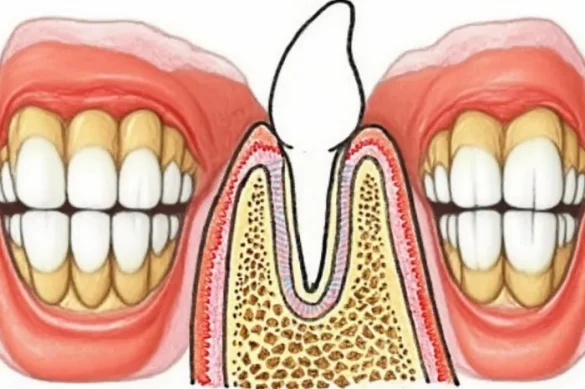
The alveolar bone is an critical a part of our oral anatomy, forming the inspiration that helps and secures our tooth in the jaws. Unlike many different bones withinside the body, the alveolar bone is intently related to the presence and fitness of tooth and performs a crucial function in preserving oral function, dental stability, and facial shape. Understanding the alveolar bone—its shape, composition, and the elements affecting its fitness—is pivotal for each person worried with dental wellness.
What Is the Alveolar Bone?
The alveolar bone, occasionally known as the alveolar technique or alveolar ridge, is the segment of the jawbone that consists of teeth sockets. This bone holds the roots of your tooth in region and presents a organization base for chewing, speaking, and preserving facial aesthetics. In humans, the alveolar bone is located in essential locations: the higher jaw (maxilla) and the decrease jaw (mandible). The curved a part of the alveolar technique bureaucracy the alveolar arch, which aligns alongside your dental arch and allows keep the right association of tooth.
Location and Anatomy of the Alveolar Bone
On the maxilla, the alveolar bone bureaucracy a ridge on its underside, at the same time as at the mandible, it’s far a ridge alongside the pinnacle surface. The alveolar bone is blanketed via way of means of the gums and terminates at essential anatomical landmarks, consisting of the mandibular canal. Each teeth is anchored in a socket coated via way of means of a plate of dense bone called the lamina dura. Sharpey’s fibers—collagen fibers from the periodontal ligament—make bigger into the alveolar bone to assist connect tooth securely to the bone shape. Between adjoining tooth, the bone bureaucracy the interdental septum, which separates sockets and contributes to general jaw stability.
Layers of the Alveolar Bone
The alveolar bone is composed of:
- Outer Cortical Plate: A hard, compact layer imparting power and resistance to force.
- Inner Cortical Plate: Another compact layer going through the inner of the jaw.
- Trabecular (Cancellous) Bone: A spongy, porous principal place wealthy in blood vessels and marrow, making the bone each sturdy and lightweight.
- Alveolar Bone Proper (Bundle Bone): The bone without delay lining the teeth socket, vital for teeth attachment.
This layered shape permits the alveolar bone to soak up and distribute the forces generated via way of means of biting and chewing.
Composition of Alveolar Bone
Alveolar bone is made from each inorganic and natural substances:
- Inorganic Component (approximately 67%): Consists specifically of calcium and phosphate, with the bulk located as hydroxyapatite crystals. This mineralization offers the bone its hardness.
- Organic Component (approximately 33%): Mainly composed of collagen (specifically Type I), in conjunction with non-collagenous proteins and water. These factors offer flexibility and assist the bone face up to cracking below pressure.
Cellular Elements
Three number one styles of cells hold alveolar bone fitness:
- Osteoblasts: Cells chargeable for forming new bone tissue.
- Osteocytes: Osteoblasts which have come to be embedded withinside the bone matrix, assisting adjust bone turnover and nutrient exchange.
- Osteoclasts: Large, multinucleated cells that resorb (destroy down) bone tissue, permitting transforming and variation to modifications in enamel function or force.
Functions of the Alveolar Bone
Tooth Support and Stability
The predominant feature of the alveolar bone is to aid tooth and anchor them in the jaws. This is done thru the interplay with the periodontal ligament, which connects the enamel roots to the bone and allows soak up the pressures from biting, chewing, and different movements.
Adaptability and Remodeling
The alveolar bone is one of the maximum dynamic skeletal tissues withinside the body, present process regular transforming in reaction to mechanical forces, hormonal indicators, and dietary status. When a enamel erupts, the alveolar bone grows to shape a socket round it. If a enamel is misplaced or extracted, the bone in that location will start to resorb as it not has a feature to serve. This adaptability permits the alveolar bone to aid the chronic motion and migration of tooth at some point of life.
Role in Bone Metabolism and Reservoir Functions
Besides mechanical aid, the alveolar bone serves as a reservoir for minerals which includes calcium and phosphorus, contributing to usual mineral homeostasis withinside the body. It additionally harbors hematopoietic and mesenchymal stem cells, which play roles in retaining bone fitness and repair.
Alveolar Bone Remodeling: How It Happens
Remodeling of the alveolar bone is a sensitive stability among the formation and resorption of bone tissue. Osteoblasts construct new bone, whilst osteoclasts destroy down antique or broken bone.
- Bone Formation: Triggered with the aid of using strain (chewing, orthodontic treatment) or indicators from different tissues, osteoblasts deposit new bone in which it’s miles wanted maximum.
- Bone Resorption: Osteoclasts dissolve bone in regions below much less strain or following enamel loss, main to variation of the bone to converting demands.
This technique is regulated with the aid of using hormones (which includes parathyroid hormone, nutrition D, intercourse hormones), cytokines, and signaling pathways together with Wnt and Notch. If the stability among formation and resorption is disrupted, bone loss or pathological modifications can occur.
Factors Affecting Alveolar Bone Health
Periodontal Disease
Periodontal (gum) sickness is one of the maximum substantial threats to alveolar bone integrity. Inflammation from gum sickness extends into the deeper helping tissues, together with the alveolar bone, and triggers bone resorption. Over time, superior periodontal sickness can bring about extreme bone loss, transferring tooth, or maybe enamel loss.
Tooth Extraction and Edentulism
Immediate resorption starts offevolved withinside the alveolar bone following teeth extraction. If no motion is taken, which include the position of dental implants or bone grafts, the bone might also additionally reduce dramatically, main to problems for destiny dental restorations and modifications in facial profile.
Systemic Conditions and Other Influences
Bone density withinside the alveolar vicinity may be laid low with systemic elements which include osteoporosis, hormonal imbalances, age, nutrition, and medications. Rapid bone turnover fees withinside the jaw imply it’s miles mainly touchy to systemic bone sicknesses, and modifications right here might also additionally suggest early troubles someplace else withinside the skeleton.
Trauma and Mechanical Forces
Heavy masticatory forces, orthodontic remedies, or trauma can have an effect on the form and density of the alveolar bone. Proper management, along with sluggish pressure software at some stage in orthodontic movement, enables hold bone fitness and adaptation.
Clinical Importance of the Alveolar Bone
Dental Implants
The achievement of dental implants is predicated closely at the presence of wholesome, enough alveolar bone. If bone extent is inadequate, grafting strategies can be vital to rebuild the bone earlier than implants may be placed.
Prosthetics and Dental Rehabilitation
Proper-sized and wholesome alveolar bone makes it less complicated to match dentures, bridges, and different dental prosthetics. Loss of bone after teeth extraction could make such remedies much less predictable.
Diagnostic Significance
Dental radiographs display the integrity of the lamina dura and the peak of the alveolar crest. Changes in bone density or shape are used to diagnose periodontal disease, examine for pathologies, and plan dental remedies.
Impact on Facial Structure
The alveolar bone enables hold the vertical measurement and common contour of the face. Loss of alveolar bone, mainly in edentulous patients, can reason big facial modifications which include discount in decrease facial peak and adjusted jaw profile.
Maintaining Alveolar Bone Health
- Practice excellent oral hygiene to save you gum disease.
- Seek set off remedy for dental infections or accidents to limit bone loss.
- Consider dental implants or grafts after teeth extraction to keep bone extent.
- Eat a balanced eating regimen wealthy in calcium, nutrition D, and different minerals to assist bone strength.
- Avoid smoking and manipulate systemic sicknesses that could effect bone density.
Regular dental checkups are important in early detection and intervention for any alveolar bone troubles, enhancing consequences for remedy and assisting keep dental feature and appearance.
Conclusion
The alveolar bone is greater than only a layer of bone withinside the jaw—it’s miles the dynamic, adaptable shape important for wholesome teeth, robust jaws, and superior oral function. Its fitness is intently tied to the presence of teeth, making each teeth extraction or episode of gum ailment a ability danger to this critical foundation. For dentists and specialists, handling and keeping alveolar bone is fundamental to a success remedy, mainly in implantology and restorative dentistry. For patients, information its function underscores the significance of proactive oral care and everyday checkups for lifelong wellness.
Frequently Asked Questions (FAQs)
1. What is the alveolar bone?
The alveolar bone is the a part of the jawbone that bureaucracy teeth sockets and helps the roots of your teeth.
2. Can the alveolar bone regenerate after teeth loss?
To a few extent, yes. However, if a teeth is misplaced and now no longer replaced, the alveolar bone in that region can also additionally cut back or resorb over time. Dental implants and bone grafts can assist repair misplaced bone.
3. What damages the alveolar bone?
Periodontal ailment, teeth extraction, trauma, and systemic bone illnesses consisting of osteoporosis are principal elements that may motive lack of alveolar bone.
4. Why is the alveolar bone crucial for dental implants?
Dental implants require strong and enough alveolar bone for a success placement and long-time period stability. If bone quantity is lacking, grafting methods can be wanted earlier than implant placement.
5. How can I maintain my alveolar bone wholesome?
Maintain top oral hygiene, devour a balanced diet, keep away from tobacco, and are seeking early remedy for dental issues. Regular dental checkups assist screen bone fitness and save you troubles earlier than they worsen.