


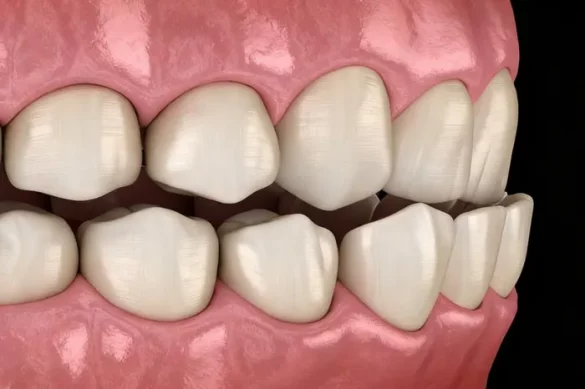
A kind four malocclusion, regularly cited as “wry bite,” is many of the maximum complicated styles of jaw and dental misalignment visible in each veterinary and human orthodontics. Unlike the greater not unusualplace malocclusion classifications, kind four influences the symmetry of the jaw, ensuing in good sized demanding situations for each feature and comfort. This article ambitions to make clear what constitutes a kind four malocclusion, its reasons, medical signs, and the modern-day techniques to powerful management.
What Is a Malocclusion?
Malocclusion is a time period used to explain bizarre alignment of the enamel and jaws. In healthful animals and humans, the higher and decrease jaws healthy collectively in a manner that lets in green chewing, biting, and retaining oral health. When there’s a misalignment, diverse issues rise up which include pain, improved threat of infection, and issue eating. Malocclusions are categorised in line with how the jaws and enamel misalign.
Classification of Malocclusions
Orthodontics divides malocclusions into 4 broadly well-known classes:
- Class I Malocclusion: Normal jaw duration, however one or greater enamel are out of alignment.
- Class II Malocclusion: The decrease jaw (mandible) is shorter than the higher jaw (maxilla).
- Class III Malocclusion: The decrease jaw is longer than the higher jaw, regularly inflicting an underbite.
- Class IV Malocclusion: Jaw duration isn’t identical from facet to facet. This is the least not unusualplace kind and is popularly known as a wry bite.
This article will in particular recognition on Class IV malocclusion, its reasons, medical impact, and remedy options.
Anatomy of Type four Malocclusion: The Wry Bite
How Type four Malocclusion Presents
Type four malocclusion takes place whilst one facet of the mandible or maxilla (decrease or higher jaw) grows longer or shorter than the alternative facet. This asymmetry reasons the dental midline of the higher jaw to be out of alignment with the decrease jaw. The end result is choppy occlusion, which means the enamel do now no longer meet in a ordinary pattern. This can result in one or each facets of the mouth experiencing bizarre strain or trauma whilst the jaws close.
Typical Signs in Animals and Humans
- Midline of higher enamel does now no longer align with the decrease enamel
- Face seems twisted or asymmetrical
- Difficulty last the mouth fully
- Teeth touch gentle tissue (lip, palate, or gingiva) abnormally
- Pain, oral ulcers, and bleeding might also additionally develop
- Problems with chewing or speech in extreme cases
- Increased threat of periodontal sickness and enamel loss
Causes of Type four Malocclusion
Genetic Factors
Type four malocclusions are most usually genetic in origin. They arise due to the fact one facet of the jaw grows at a specific fee from the alternative, regularly because of hereditary factors. Certain breeds of puppies and cats are greater predisposed, however this circumstance can have an effect on any animal or person.
Developmental Issues
Sometimes, trauma at a younger age can intrude with ordinary jaw increase, main to uneven development. Adverse dental interlocks—in which infant tooth or smooth tissue block ordinary jaw motion—also can play a position with the aid of using changing the herbal increase sample of the jaw.
Health and Environmental Factors
Infections, dietary deficiencies, or hormonal imbalances all through increase can make a contribution to choppy jaw development, growing the chance of malocclusion.
Diagnosing Type four Malocclusion
Veterinary dentists and orthodontists diagnose malocclusions using:
- Visual inspection: Noting jaw alignment and symmetry
- Dental radiographs: Assessing jaw additives and enamel roots
- Bite assessments: Examining how tooth and jaws meet
Early analysis is vital to save you persistent ache, trauma, and long-time period dental issues.
Clinical Implications and Problems
Oral Health Impact
Type four malocclusion outcomes in choppy biting force, that may damage tooth and gums. Some tooth may also strike smooth tissue, inflicting ulcers or repeated injury. Oral ache is likely, even though now no longer without delay obvious. Over time, this trauma can motive infections, inflammation, and periodontal disease. Tooth mobility or loss may also arise if now no longer addressed early.
Functional Challenges
Difficulty chewing and soreness are not unusualplace in pets and those with Class IV malocclusion. Pets may also keep away from eating, display symptoms and symptoms of distress, or expand conduct adjustments because of ongoing ache. In humans, speech troubles may also expand if the mismatch is extreme.
Aesthetic and Psychological Concerns
Jaw asymmetry can motive seen facial distortion. In associate animals, this will now no longer be a number one concern, however for humans, it could bring about mental strain or lack of confidence. For display animals, wry chunk may also have an effect on breed requirements and eligibility.
Treatment Options for Type four Malocclusion
Early Intervention
Timely analysis is essential. In younger animals or children, interceptive orthodontics gives alternatives to manual jaw increase greater evenly. Removal of interfering infant tooth or tissue may also assist the jaws align higher as they expand.
Orthodontic Appliances
Orthodontic remedy may also use gadgets inclusive of incline planes. These home equipment assist manual tooth and jaw motion to create a greater purposeful chunk. Success relies upon on early intervention, severity of the chunk, and affected person cooperation. Repeated modifications and cautious tracking are vital over time.
Surgical Correction
In mild to extreme cases, surgical alternatives can be considered. Procedures may also encompass extraction of elaborate tooth or reshaping the jaw bone. For pets, the intention is usually to create a ache-free, purposeful chunk.
Pain Management and Oral Care
Regular dental cleanings, ache relief, and cautious tracking are a part of ongoing management. In animals, preserving oral consolation is the primary precedence. Owners must look ahead to symptoms and symptoms of ache, bleeding, or consuming problems and are looking for veterinary assist quick if those expand.
The Ethics of Treatment
It is critical to be aware that remedy must cognizance on enhancing characteristic and luxury, now no longer simply aesthetics. Cosmetic orthodontics is normally discouraged, specifically if it poses dangers to fitness or calls for repeated anesthesia. In veterinary practice, minimizing pain and supplying a purposeful chew is the moral precedence.
Prognosis: What to Expect
Many instances of kind four malocclusion can obtain appropriate results with early and suitable remedy. If stuck early, interceptive remedy might also additionally save you destiny ache and purposeful problems. Severe instances might also additionally require greater invasive approaches. Regular follow-up and preventive care are critical for preserving oral fitness and minimizing difficulty risk.
Conclusion
Type four malocclusion, or wry chew, is a unprecedented however extreme jaw alignment disease as a result of unequal boom of jaw sides. It can have an effect on each animals and humans, main to ache, oral trauma, and purposeful difficulty. Understanding the causes, symptoms and symptoms, and powerful remedy techniques enables make sure higher results and stepped forward pleasant of existence for affected patients. Owners and care carriers must prioritize early prognosis and are looking for expert assist if any symptoms and symptoms of jaw asymmetry appear.
Frequently Asked Questions
What is the principle reason of kind four malocclusion?
Type four malocclusion is typically genetic however also can end result from developmental problems, trauma, or fitness problems interfering with jaw boom.
Can kind four malocclusion be dealt with successfully?
Yes, with early prognosis and the proper remedy, many instances may be controlled well. Some instances might also additionally require surgical correction or orthodontic devices.
Are sure breeds much more likely to expand wry chew?
Yes. Some breeds of puppies and cats display better rates, however any animal may be affected.
Is jaw asymmetry continually painful?
Not continually, however it regularly results in pain, oral trauma, and feeding problems, so set off assessment is critical.
Should remedy cognizance on appears or consolation?
Treatment precedence is fitness and luxury. Cosmetic correction by myself isn’t advised, specifically in veterinary patients, except characteristic and luxury are compromised.