


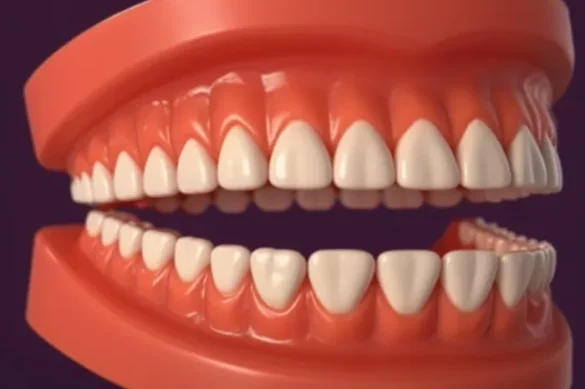
An occlusal in dentistry refers back to the manner your tooth match collectively whilst your higher and decrease jaws close. This touch is referred to as occlusion, and it’s far an crucial a part of your dental and oral health. Good occlusion permits you to bite meals efficiently, talk clearly, and hold a balanced facial appearance. Problems with occlusion can result in pain, enamel wear, jaw issues, and different complications. Understanding occlusal standards can assist human beings perceive dental issues early and are searching for suitable treatment.
What Does Occlusal Mean in Dentistry?
Occlusal is a dental time period describing the connection and call among the higher (maxillary) and decrease (mandibular) tooth. This touch takes place clearly at some point of many every day activities, together with eating, talking, or even at rest. Every character has a completely unique occlusal pattern, and the alignment can extrade during lifestyles because of growth, enamel loss, or dental work.
In easy terms, whilst a dentist evaluates your ‘bite,’ they’re inspecting your occlusal courting. A healthful occlusion approach your tooth match collectively smoothly, without a interference or ordinary strain on any tooth.
The Anatomy Behind Occlusion
Understanding occlusal begins offevolved with the anatomy of your tooth and jaws. Humans have dental arches: the higher jaw (maxilla) and the decrease jaw (mandible). The higher and decrease tooth should come collectively in a particular manner for most excellent function. Chewing, speaking, and swallowing all require harmonious motion of the jaws, guided with the aid of using the occlusal surfaces of the tooth.
Key systems withinside the occlusal device include:
- Teeth: Each enamel has a completely unique form and position, contributing to the general bite.
- Temporomandibular Joint (TMJ): This joint connects the decrease jaw to the cranium and permits for clean jaw motion.
- Muscles of Mastication: These muscle tissues manipulate jaw actions essential for chewing and speaking.
- Periodontal Ligament and Bone: These systems assist the tooth and take in the forces created at some point of biting.
A balanced courting among those additives outcomes in a healthful occlusion. Any disharmony can purpose pain, dysfunction, or seen transferring of the tooth.
Types of Dental Occlusion
There are numerous methods to categorise occlusion, however dentists regularly refer to 3 principal types:
1. Static Occlusion
Static occlusion describes the placement of the higher and decrease tooth whilst the jaw is closed and now no longer moving. It is the touch maintaining the tooth collectively at rest. Ideally, there need to be multiple, balanced factors of touch throughout the dental arches.
2. Dynamic Occlusion
Dynamic occlusion refers back to the touch among tooth because the jaw actions at some point of capabilities like chewing or speaking. The strain distributes throughout diverse tooth, relying at the route of motion.
3. Centric Occlusion and Centric Relation
Centric occlusion is the placement wherein the top and decrease tooth have their most factor of contact, generally representing the routine chew. Centric relation is a jaw dating primarily based totally on the placement of the TMJs. Ideally, centric occlusion aligns with centric relation, presenting the maximum solid and green occlusion.
4. Angle’s Classification of Occlusion
Dr. Edward Angle advanced a widely-used machine to categorise chew relationships:
- Class I (Normal Occlusion): The top and decrease tooth align as intended.
- Class II (Overbite): The top tooth overlap the decrease tooth greater than regular.
- Class III (Underbite): The decrease tooth protrude past the top tooth.
Each kind may have sub-classes primarily based totally on how intense the misalignment is.
Importance of Proper Occlusal Alignment
The manner our tooth come collectively impacts greater than simply our cappotential to chew. Proper occlusal alignment ensures:
- Efficient Chewing: Food is damaged down properly, helping digestion and nutrition.
- Clear Speech: A accurate chew helps the tongue and lips in forming sounds.
- Protection Against Tooth Wear: Even strain distribution prevents untimely teeth loss.
- Facial Symmetry: Balanced occlusion helps a harmonious appearance.
- Jaw Health: Proper alignment prevents stress at the TMJ and muscles, decreasing complications and jaw ache.
- Oral Hygiene: Well-aligned tooth are less difficult to clean, reducing the danger of degradation and gum ailment.
Malocclusion: When the Bite Is Incorrect
Malocclusion describes any deviation from regular chew alignment. This can take place because of genetics, trauma, adolescence behavior like thumb sucking, or the lack of tooth with out right replacement. Common malocclusion sorts encompass overbite, underbite, crossbite, open chew, and overcrowding.
Symptoms of malocclusion might also additionally encompass:
- Jaw ache or clicking sounds
- Headaches
- Tooth sensitivity or immoderate put on
- Difficulty chewing or biting
- Changes in facial appearance
- Speech problems
Malocclusion also can result in periodontal (gum) problems, teeth decay, or even skeletal troubles if left untreated.
Occlusal Disease and Its Consequences
Occlusal ailment is as a result of ongoing, peculiar forces on tooth because of a bad chew dating. Over time, this stress can harm tooth, gums, bone, and jaw joints. Signs of occlusal ailment encompass:
- Cracked, chipped, or fractured tooth
- Advanced teeth put on or flattened tooth
- Tooth sensitivity
- Gum recession and bone loss
- Sore or annoying jaw muscles
- TMJ (jaw joint) ache or dysfunction
If untreated, occlusal ailment can jeopardize the long-time period fitness of each tooth and dental restorations. Early analysis and remedy are critical for lasting oral fitness.
Diagnosing Occlusal Problems
Dentists diagnose occlusal problems the usage of medical exam and particular gear which includes articulating paper to evaluate in which enamel make contact. They may also compare jaw movements, facial symmetry, and the characteristic of the TMJs. Sometimes, diagnostic casts, X-rays, or virtual scans are used for in addition analysis.
Key diagnostic steps include:
- Observing facial and jaw alignment
- Checking for muscle or TMJ tenderness
- Recording how enamel meet in special movements
- Evaluating put on styles on enamel
- Using chew registration substances for correct mapping
Treatment Options for Occlusal Problems
Managing occlusal problems relies upon on their severity and underlying motive. Common remedies include:
Occlusal Adjustment
This entails reshaping teeth surfaces to enhance how enamel meet, typically achieved in small increments.
Restorative Dentistry
Crowns, bridges, and veneers can accurate the form and characteristic of enamel, enhancing occlusal balance.
Orthodontic Treatment
Braces or aligners flow enamel into their perfect positions, correcting alignment for more healthy occlusion.
Occlusal Splints or Night Guards
These are personalized mouthpieces that defend enamel from grinding or clenching all through sleep, relieving stress and stopping put on.
Jaw Surgery (in Severe Cases)
In rare, complicated cases, surgical intervention can be required to accurate skeletal mismatches and repair useful occlusion.
Occlusal Considerations in Dental Work
When you acquire dental restorations like crowns or bridges, your dentist constantly assessments the occlusal relationship. It is crucial that new dental paintings suits harmoniously with the relaxation of your chew. Failure to accomplish that can bring about discomfort, new chew troubles, or even harm to each herbal enamel and restorations. Regular follow-ups and chew assessments assist make certain surest effects and oral comfort.
Conclusion
Occlusal is a essential idea in dentistry that appreciably affects oral health, dental characteristic, and basic comfort. Proper occlusal alignment permits your enamel and jaws to characteristic successfully and protects your mouth from more than a few dental problems. Malocclusion and occlusal disorder will have far-attaining effects however are workable with early popularity and suitable care. Regular dental test-ups and attention of your chew are critical steps closer to lifelong oral health.
Frequently Asked Questions (FAQs)
What does ‘occlusal’ suggest in a dental exam?
Occlusal refers back to the contacts and relationships among the biting surfaces of your higher and decrease enamel. Dentists test occlusal contacts to make certain your chew is balanced and healthy.
Why is my dentist involved approximately my chew?
An wrong chew can motive teeth put on, jaw pain, headaches, and boom the threat of gum troubles. Dentists reveal your occlusion to stumble on troubles early and take steps to save you complications.
Can malocclusion be corrected at any age?
Yes, many occlusal troubles may be handled no matter age. Orthodontics and restorative dentistry provide answers for each kids and adults.
How do I recognise if I actually have an occlusal problem?
Symptoms including common headaches, enamel sensitivity, choppy or worn teeth, jaw pain, or trouble chewing can also additionally suggest an occlusal problem. A dental examination is needed for correct diagnosis.
What takes place if occlusal sickness is left untreated?
If left untreated, occlusal sickness can also additionally result in giant dental damage, pain, lack of teeth, and troubles with jaw function. Early intervention is fundamental for great results.