


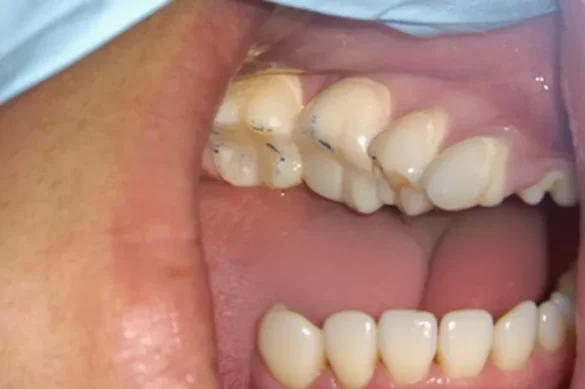
Occlusal adjustment is a specific dental technique geared toward correcting the manner your top and decrease tooth come collectively whilst you chunk. Proper chunk alignment is vital now no longer simplest for classy motives however additionally for oral characteristic and ordinary health. Many humans be afflicted by jaw discomfort, headaches, or untimely teeth put on truely due to the fact their tooth do now no longer meet correctly. Understanding a way to carry out occlusal adjustment can assist sufferers and dental experts alike acquire a comfortable, stable, and healthful chunk.
What is Occlusal Adjustment?
Occlusal adjustment refers back to the procedure of enhancing the biting surfaces of tooth, typically via way of means of selective grinding or reshaping with dental instruments. The aim is to accurate chunk misalignments called malocclusions. When finished properly, this technique guarantees balanced touch among all tooth, main to decreased jaw strain, progressed chewing, and safety towards undue teeth put on. It also can save you long-time period issues which includes temporomandibular joint (TMJ) problems, bruxism (tooth grinding), teeth sensitivity, or mobility.
Why Occlusal Adjustment is Important
A misaligned chunk can reason numerous issues:
- Jaw ache and TMJ problems because of muscle pressure and mistaken jaw motion.
- Excessive teeth put on, cracks, and fractures from choppy pressure.
- Inefficient chewing, which might also additionally have an effect on vitamins and digestion.
- Tooth sensitivity and looseness from peculiar pressure distribution.
- Reduced self assurance because of aesthetic concerns.
Preventive occlusal adjustment can alleviate discomfort, lengthen the lifespan of tooth, and enhance ordinary oral health.
Indications and Contraindications
Occlusal adjustment is indicated for:
- Patients with choppy chunk, major jaw discomfort, or trouble chewing.
- Individuals with restorative dental work, which includes crowns or bridges, that reason chunk interferences.
- Those laid low with bruxism, teeth mobility, or sensitivity connected to malocclusion.
- Patients completing orthodontic or prosthodontic remedy.
Contraindications consist of TMJ problems with lively symptoms, muscular disorder inflicting peculiar jaw movements, loss of affected person consent, or psychosomatic problems with out identifiable dental causes. All remedy plans need to be individualized, weighing advantage as opposed to risk, and be minimally invasive.
Step-via way of means of-Step Process of Occlusal Adjustment
Performing an occlusal adjustment entails cautious planning, diagnosis, and method to make certain that simplest the important teeth adjustments are made.
Step 1: Diagnosis and Assessment
- Clinical Examination: The dentist inspects the affected person’s tooth for choppy put on and tests for muscle tension, jaw movement, and chunk feature. Past dental records and symptoms, together with pain, clicking, or headaches, are reviewed.
- Diagnostic Tools:
- Articulating Paper: Used to mark untimely contacts for the duration of check bites.
- Occlusal Scanners: Provide virtual mapping of chunk relationships and strain factors.
- X-rays and Impressions: Help perceive underlying structural or alignment issues.
The purpose is to pinpoint regions of immoderate strain and chunk interference.
Step 2: Identifying Premature Contacts
Premature contacts are factors wherein tooth contact earlier than others, inflicting an choppy chunk. Locating those is essential:
- Articulating paper, coloured foils, or virtual sensors are located among tooth whilst the affected person bites down.
- Markings display the excessive-strain contacts—the objectives for adjustment.
- Repeat this procedure in one-of-a-kind jaw positions (centric relation, most intercuspation, lateral and protrusive movements).
Step 3: Adjustment Techniques
Several techniques are used relying at the motive and severity of chunk problems:
- Selective Grinding: Using a first-rate dental bur, the dentist smooths or gets rid of tiny layers of tooth from excessive factors. This is a subtractive approach and need to be finished conservatively to keep away from unfavourable teeth structure.
- Additive Restoration: In instances wherein structural aid is needed, resin or ceramic cloth can be delivered to accumulate worn tooth.
- Occlusal Splints (Night Guards): Custom-match gadgets can be used for people with bruxism to briefly defend tooth and manual the jaw whilst everlasting changes are planned.
- Orthodontic or Restorative Interventions: In excessive instances, braces, clean aligners, or crowns can be required to reposition tooth and stabilize the chunk.
Throughout the procedure, care is taken to keep the anatomical form and feature of tooth, preserving vertical measurement and right occlusal steering.
Step 4: Functional Guidance and Final Checks
Functional steering includes making sure the chunk is accurate in all movements:
- Canine steering must be mounted so the dog tooth disclude the posterior tooth for the duration of lateral movements.
- Incisal steering is checked to make certain the the front tooth lead protrusive movements.
- Articulating tape is used to verify that adjusted contacts arise concurrently on each facets of the dental arch.
- The dentist tests the affected person’s capacity to chew, speak, and flow the jaw quite simply with out clicking or restriction.
Step 5: Post-Adjustment Polishing and Evaluation
All adjusted surfaces are polished to repair teeth smoothness and reduce friction. The patient’s consolation is examined by:
- Checking for fremitus (vibration) on tooth all through biting.
- Asking for comments at the chunk’s consolation at relaxation and all through chewing.
- Using Shimstock foil to affirm simultaneous bilateral contacts at the posterior tooth and canines.
Fine modifications can be repeated in quick follow-up appointments to make sure lasting balance.
Tools Used in Occlusal Adjustment
Dentists depend upon specialised tools:
- Articulating tape and paper (diverse thicknesses and shades mark one of a kind kinds of contacts).
- Miller forceps for manipulating tapes.
- Dental burs for precision grinding.
- Electronic occlusal analyzers (e.g., T-Scan, OccluSense) for quantitative size of force.
- Semi-adjustable articulators for trial modifications out of doors the mouth.
Each device has precise blessings in marking, measuring, and guiding the adjustment process.
Patient Preparation and Education
It is important to teach sufferers approximately occlusal adjustment earlier than starting.
- Explain that the process isn’t random grinding however a unique adjustment for chunk harmony.
- Address worries approximately discomfort, viable hypersensitivity, and the time had to acquire results.
- Use visible aids and chunk fashions to illustrate the hassle and solution.
- Obtain knowledgeable consent outlining goals, steps, anticipated benefits, dangers, and viable want for a couple of sessions.
Maintenance and Long-Term Care
A strong chunk calls for ongoing attention:
- Regular dental check-ups to reveal chunk balance and viable enamel motion over time.
- Customized oral hygiene workouts to defend modifications and restorations.
- Monitoring for relapse, mainly after orthodontic paintings or principal restorative treatments.
Dentists can also additionally agenda preservation appointments to make sure early detection and correction of any new chunk issues.
Risks of Ignoring Occlusal Problems
Failure to accurate malocclusion can end result in:
- Chronic jaw ache and TMJ dysfunction.
- Accelerated teeth erosion, main to touchy or fractured tooth.
- Difficulty chewing and speaking.
- Progressive enamel mobility or maybe enamel loss.
Early intervention thru occlusal adjustment reduces those dangers and preserves oral health.
Conclusion
Occlusal adjustment is a specialized, methodical dental process finished to create a balanced, wholesome chew. It entails an in depth evaluation, pinpointing trouble contacts, and thoroughly reshaping enamel till strain is lightly distributed. This method calls for expert talent and ought to be custom designed for every patient. When carried out correctly, chew adjustment drastically improves comfort, oral function, and lengthy-time period dental health. Patients experiencing jaw pain, choppy enamel wear, or continual soreness ought to seek advice from a dental expert to look if occlusal adjustment is the proper solution. Good communication, right tools, and ongoing care are keys to a a hit outcome.
FAQs
What are the symptoms and symptoms I would possibly want an occlusal adjustment?
Common symptoms and symptoms encompass jaw pain, headaches, trouble chewing, enamel sensitivity, and seen choppy enamel wear.
Does occlusal adjustment hurt?
Most sufferers enjoy minimum soreness. Local anesthesia can be used if touchy spots want extra work.
How lengthy does an occlusal adjustment take?
Appointments usually closing approximately 30 minutes. Multiple classes can be required for complicated cases.
Are there dangers to the process?
Risks are low if finished with the aid of using a professional dentist. Over-adjustment or useless grinding might also additionally reason sensitivity or instability, however that is uncommon with right technique.
Will my chew live strong after adjustment?
Yes, with ordinary dental visits and top oral care, your chew ought to continue to be strong. However, adjustments in enamel position, wear, or new restorations might also additionally every so often require in addition adjustments.