


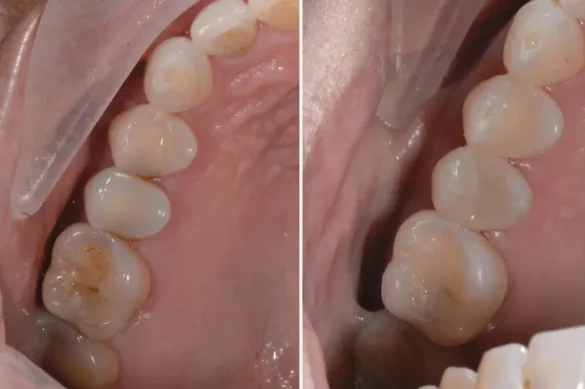
If you’ve got got a hollow space, your dentist can also additionally advocate a composite filling—a cutting-edge answer designed to combo seamlessly together along with your herbal teeth. One not unusualplace query for the ones going through this manner is whether or not numbing is necessary. Understanding how dentists manipulate ache and what to anticipate at some stage in a composite filling appointment can lessen tension and assist you sense assured approximately being concerned in your oral health.
What Is a Composite Filling?
A composite filling is a dental healing fabric crafted from a aggregate of plastic resins and powdered glass. This teeth-coloured filling is designed to restore cavities or minor fractures with out status out, presenting a herbal appearance and a robust bond to the teeth structure. Composite fillings are preferred for his or her aesthetics and are used broadly for each back and front teeth.
Do Dentists Numb You for a Composite Filling?
The Role of Local Anesthesia
For maximum composite filling procedures, dentists use a nearby anesthetic to numb the teeth and the encompassing vicinity. This guarantees the affected person feels minimum or no ache at some stage in the treatment. The numbing technique is critical due to the fact disposing of decayed quantities of a teeth frequently entails the usage of dental drills or different instruments, that may in any other case motive soreness or ache.
How Numbing Is Performed
Dentists commonly administer a small injection of nearby anesthetic close to the teeth desiring treatment. The sensation you can sense is a quick, mild pinch on the injection site. It takes only some mins for the vicinity to grow to be numb. Once the anesthetic takes effect, you’ll continue to be aware and aware, however you ought to now no longer sense ache at some stage in the manner. Some dentists can also additionally start with a topical numbing gel earlier than the injection to similarly lessen soreness.
Is Numbing Always Necessary?
While numbing is standard, there are exceptions. If the hollow space is extraordinarily shallow and simplest impacts the very outer layer of the teeth, a few dentists can also additionally pick to bypass the anesthesia. In those uncommon cases, the drilling wished is minimum, and the affected person would possibly simplest experience mild strain or vibration—now no longer ache. The choice to numb is primarily based totally at the location, size, and intensity of the hollow space, in addition to your consolation stage and tolerance. If you’re anxious or have a low ache threshold, permit your dentist know. Most clinics are organized to deal with sufferers with dental tension or unique needs, once in a while the usage of extra alternatives like nitrous oxide (‘guffawing gas’) for brought consolation.
Why Is Numbing Used for Composite Fillings?
Pain Prevention
Drilling right into a teeth—even slightly—can have an effect on nerve endings, mainly if decay has penetrated deeper into the dentin. This can cause ache alerts. Local anesthesia blocks those alerts at some stage in the manner, presenting a ache-loose revel in for maximum sufferers. This is why dentists advocate numbing for the sizeable majority of composite fillings.
Patient Comfort and Treatment Outcomes
Using anesthesia reduces affected person anxiety, making it simpler for the dental crew to finish the process quick and efficiently. Patients who’re cushty are much less probable to transport or annoying up in the course of treatment, ensuing in higher healing placement, shaping, and longevity.
Step-by-Step Composite Filling Procedure
Step 1: Initial Examination and X-rays
Your dentist will first study your enamel and can take X-rays to evaluate the volume of the hollow space and decide if a composite filling is the proper solution.
Step 2: Local Anesthesia Administration
If needed, a nearby anesthetic is injected close to the enamel. Within minutes, the enamel and close by gum location turn out to be numb, making sure a in reality painless treatment.
Step 3: Decay Removal
The dentist makes use of a drill, laser, or different device to softly take away the decayed or broken enamel structure. Thanks to numbing, this step usually looks like vibration or stress, now no longer ache.
Step 4: Tooth Preparation
The hollow space is very well wiped clean and dried. This step is crucial to take away micro organism and any gentle or decayed portions.
Step 5: Layering and Bonding
A bonding agent is implemented to the organized enamel floor to assist the composite resin adhere securely. The composite resin is then located in skinny layers. Each layer is hardened (cured) the use of a unique light.
Step 6: Shaping, Finishing, and Polishing
Once sufficient composite has been constructed up, the dentist artistically shapes the cloth to suit your herbal enamel. You might be requested to chunk right all the way down to make certain your new filling does now no longer intrude together along with your chunk. Any small modifications are made, and the floor is polished for a easy finish.
What Does the Numbing Feel Like?
The preliminary prick from the anesthetic injection can also additionally purpose short soreness. After some minutes, the dealt with location turns into numb. Most sufferers describe the feeling as tingling, swelling, or ‘fats lips.’ These sensations are regular and imply the anesthesia is working. You have to now no longer experience ache in the course of drilling, filling, or polishing. The numbness usually lasts for one to a few hours after your appointment.
Aftercare and Recovery
Immediate Post-Procedure Sensations
It is not unusualplace to enjoy numbness for a brief duration after your composite filling appointment. Be careful while consuming or consuming till feeling returns to keep away from biting your tongue or cheek accidentally. Some slight sensitivity to cold, hot, or stress is likewise regular for some days as your mouth adjusts.
At-Home Care Tips
- Avoid chewing at the numb aspect till the anesthesia wears off
- Stick to gentle or room-temperature ingredients proper after your appointment
- Maintain your everyday oral hygiene routine (mild brushing and flossing)
- If you enjoy soreness as soon as the anesthesia fades, over the counter painkillers can assist
- Persistent or excessive ache have to be pronounced for your dentist
Risks, Complications, and When to Call Your Dentist
Composite fillings are secure and effective, however it’s miles essential to reveal your filling. Contact your dentist in case you notice:
- Severe ache after the numbness fades
- Filling feels too excessive or your chew feels off
- Cracks, gaps, or the filling coming loose
- Signs of contamination like swelling or pus
Timely interest can save you minor problems from turning into larger dental problems.
How Long Do Composite Fillings Last?
With top care, composite fillings generally ultimate 5 to seven years however can ultimate longer. The lifespan relies upon for your oral hygiene habits, the ingredients you eat, and whether or not you grind your teeth. Regular checkups can assist make sure your fillings continue to be in wonderful condition.
Conclusion
Numbing with nearby anesthesia is a popular exercise for composite filling procedures, supposed to offer a comfortable, ache-loose dental enjoy. Although there are uncommon times in which numbing won’t be necessary, maximum sufferers gain from this step. Understanding the technique and speaking together along with your dentist can assist relieve any anxieties and make sure the first-rate feasible outcome.
Frequently Asked Questions (FAQs)
Does Every Composite Filling Procedure Require Numbing?
In maximum cases, yes. Numbing is popular to save you ache, however for terribly shallow or minor fillings, a few dentists and sufferers may also pick to pass anesthesia.
What Type of Anesthetic Is Used?
Dentists commonly use a nearby anesthetic, consisting of lidocaine, which competently numbs most effective the remedy region whilst you continue to be absolutely conscious.
How Long Does the Numbness Last After a Filling?
Typically, numbness from nearby anesthesia fades inside one to 3 hours after your appointment.
Can I Eat Right After My Appointment?
It is first-rate to attend till the numbness has worn off earlier than ingesting stable ingredients to keep away from by accident biting your cheek or tongue.
Will I Feel Pain After the Filling Procedure?
Most sufferers sense little to no ache after a composite filling. Some may also enjoy slight sensitivity, which commonly resolves inside some days.