


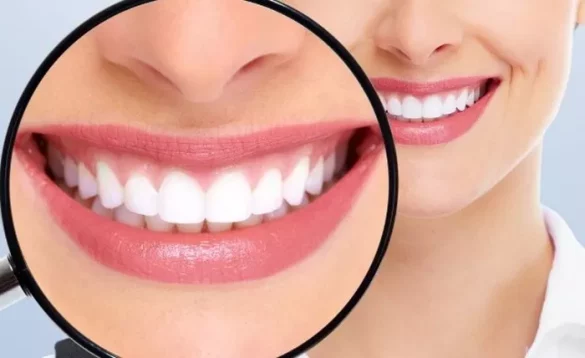
As people age, teeth often lose their natural brightness. White teeth from youth slowly become yellow or dull. This change is common and natural. However, it can affect confidence and appearance. The good news is that aging yellow teeth can be whitened safely and effectively. The key is understanding why teeth change color and choosing the right whitening methods.
This guide explains how to whiten aging yellow teeth step by step. It covers causes, treatment options, safety tips, and long-term care. All advice is based on dental science and clinical experience.
Why Teeth Turn Yellow With Age
Before whitening teeth, it is important to understand why discoloration happens. Aging affects teeth in several ways.
Enamel Becomes Thinner Over Time
Tooth enamel is the hard, white outer layer of the tooth. Over the years, enamel slowly wears down. Brushing, chewing, and acidic foods all contribute. As enamel thins, the yellow dentin underneath becomes more visible. This makes teeth look darker.
Dentin Naturally Darkens
Dentin is the inner structure of the tooth. It is naturally yellow. As people age, dentin becomes thicker and darker. Even with healthy enamel, this color change affects tooth shade.
Long-Term Staining From Food and Drinks
Years of drinking coffee, tea, red wine, and soda cause stains. These stains penetrate the enamel. Tobacco use causes even deeper discoloration. Aging teeth often show the effects of decades of exposure.
Past Dental Treatments
Fillings, root canal treatments, and crowns can change tooth color. Some materials used years ago also darken over time.
This can cause uneven tooth color.
Step 1: Get a Professional Dental Examination
Why a Dental Checkup Comes First
Before whitening aging yellow teeth, a dental exam is essential. Whitening is not suitable for every situation. A dentist checks for cavities, gum disease, and enamel damage. Whitening over untreated problems can cause pain or worsen damage.
Identifying the Type of Discoloration
Dentists determine whether discoloration is external or internal. External stains respond well to whitening. Internal stains may need different treatments. This step prevents disappointment and protects oral health.
Step 2: Start With a Professional Dental Cleaning
Removing Surface Stains Safely
A professional cleaning removes plaque, tartar, and surface stains. This alone can make teeth appear whiter. Many people notice immediate improvement after cleaning.
Preparing Teeth for Whitening
Clean teeth respond better to whitening products. Whitening agents penetrate enamel more evenly. This step improves results and reduces sensitivity.
Step 3: Choose the Right Whitening Method
Not all whitening methods work the same. Aging teeth need careful selection.
Professional In-Office Teeth Whitening
How In-Office Whitening Works
Dentists use high-concentration whitening gels. These usually contain hydrogen peroxide. A special light or laser may be used to activate the gel. The procedure takes about one hour.
Benefits for Aging Teeth
- Fast and visible results
- Controlled application
- Lower risk of gum damage
- Customized strength
In-office whitening is ideal for moderate to severe yellowing caused by aging.
Limitations to Consider
- Higher cost
- Temporary sensitivity
- Not effective on crowns or fillings
Dentist-Supervised At-Home Whitening
Custom Whitening Trays
Dentists provide custom-made trays that fit precisely. Patients apply professional-grade whitening gel at home. Treatment usually lasts one to two weeks.
Why This Is Effective for Aging Teeth
- Even whitening
- Reduced gum irritation
- Adjustable treatment time
This method works well for gradual whitening and long-term control.
Over-the-Counter Whitening Products
Whitening Strips and Gels
These products contain lower peroxide levels. They are widely available and affordable. However, results are slower and less predictable.
Risks for Older Teeth
Aging enamel is thinner. Poorly fitting products can cause sensitivity and gum burns. These products should be used carefully and not overused.
Step 4: Address Tooth Sensitivity Before Whitening
Why Sensitivity Is Common in Older Adults
As enamel wears down, teeth become more sensitive. Whitening agents can increase this sensitivity. Managing it first improves comfort.
Desensitizing Toothpaste
Dentists often recommend toothpaste with potassium nitrate or arginine. These ingredients calm nerve endings. Use for at least two weeks before whitening.
Fluoride Treatments
Professional fluoride applications strengthen enamel. They reduce discomfort during whitening. This step is especially important for aging teeth.
Step 5: Follow the Whitening Process Correctly
Avoid Over-Whitening
More whitening does not mean better results. Overuse can damage enamel and cause severe sensitivity. Always follow professional instructions.
Monitor Tooth and Gum Health
Stop whitening if pain or irritation occurs. Mild sensitivity is normal. Sharp pain is not. Consult a dentist if problems appear.
Step 6: Maintain Results With Proper Oral Care
Whitening is not permanent. Maintenance is essential.
Daily Oral Hygiene Habits
Brush Properly Twice a Day
Use a soft-bristled toothbrush. Hard brushing wears enamel faster. Use gentle circular motions.
Use Non-Abrasive Toothpaste
Avoid toothpaste with harsh abrasives. These can dull whitening results and damage enamel.
Floss Daily
Flossing prevents plaque buildup between teeth. This keeps the overall smile brighter.
Diet Changes That Help Keep Teeth White
Limit Staining Foods and Drinks
Reduce coffee, tea, red wine, and cola. If consumed, rinse with water afterward. Using a straw helps reduce contact with teeth.
Avoid Tobacco Products
Smoking and chewing tobacco cause deep yellow and brown stains. Stopping tobacco use significantly improves whitening longevity.
Step 7: Consider Alternative Cosmetic Treatments
Some aging teeth do not respond well to whitening alone.
Dental Bonding
Bonding uses tooth-colored resin to cover discoloration. It works well for small areas. It is quick and affordable.
Porcelain Veneers
Veneers cover the front surface of teeth. They provide a bright, uniform color. Veneers are ideal for severe discoloration, worn enamel, or uneven teeth.
Crowns for Structurally Damaged Teeth
Crowns restore strength and color. They are used when teeth are heavily filled or weakened. Whitening does not affect crowns.
Common Myths About Whitening Aging Teeth
Myth 1: Whitening Damages Teeth Permanently
When done correctly, whitening is safe. Damage occurs only with misuse or overuse.
Myth 2: Natural Remedies Are Safer
Lemon juice, charcoal, and baking soda are abrasive or acidic. These methods harm enamel and worsen yellowing over time.
Myth 3: One Treatment Lasts Forever
Whitening requires maintenance. Lifestyle habits play a major role in how long results last.
How Often Should Aging Teeth Be Whitened?
Most dentists recommend whitening once every one to two years. Touch-ups may be needed depending on diet and habits. Over-whitening should always be avoided.
When Whitening Is Not Recommended
Whitening may not be suitable in some cases.
- Severe enamel erosion
- Active gum disease
- Untreated cavities
- Pregnancy
- Allergy to whitening agents
A dentist should always assess suitability first.
The Psychological Benefits of Whiter Teeth
A brighter smile improves self-esteem. Many patients feel younger and more confident after whitening. This can positively affect social interactions and professional settings.
Conclusion
Aging yellow teeth are common, but they are not permanent. With the right approach, teeth can regain a brighter and healthier appearance. The key steps include professional evaluation, proper cleaning, safe whitening methods, and long-term care.
Whitening should never be rushed. Teeth need protection as much as improvement. When done correctly, whitening aging teeth is safe, effective, and rewarding.