


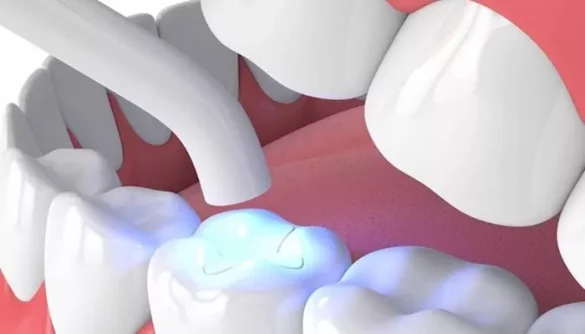
Tooth fillings are among the most common dental treatments worldwide. They restore teeth damaged by decay, trauma, or wear. Patients often ask a simple question: how long will my filling last? In 2026, this question matters more than ever. Dental materials have advanced. Techniques have improved. Expectations are higher. A filling is no longer just a temporary repair. It is a long-term investment in oral health.
Longevity in tooth fillings means fewer replacements. It means less drilling over a lifetime. It means better preservation of natural tooth structure. Every time a filling fails, the tooth loses more enamel and dentin. Over decades, this can lead to crowns, root canals, or even tooth loss. For this reason, modern dentistry focuses on durable materials and precise placement.
How Dentists Measure the Lifespan of a Tooth Filling
Before ranking materials, it is important to understand how longevity is defined. Dentists do not measure lifespan by a fixed expiration date. Instead, they look at survival rates over time. A filling is considered successful if it remains intact, functional, and free of recurrent decay.
Several factors influence how long a filling lasts. Material choice is critical. Bite force plays a role. Oral hygiene habits matter. Tooth location is also important. Fillings in molars endure stronger chewing forces. Fillings near the gum line face higher moisture and plaque exposure.
Clinical studies often report survival at five, ten, or fifteen years. A material with a 90 percent survival rate at ten years is considered highly durable. In daily practice, some fillings last far longer than published averages. Others fail early due to patient-specific risks.
Key Factors That Affect Filling Longevity
Material composition determines strength and wear resistance. Adhesion to tooth structure affects seal quality. Placement technique influences marginal integrity. Patient habits such as grinding can shorten lifespan. Diet and oral hygiene affect decay risk around fillings.
Understanding these factors helps explain why some materials consistently outperform others. It also clarifies why no filling lasts forever.
The 5 Longest Lasting Tooth Fillings in 2026
1. Gold Fillings: The Benchmark for Longevity
Gold fillings remain the longest lasting tooth fillings in 2026. Despite being less common today, they set the standard for durability. Gold alloys used in dentistry are strong, corrosion-resistant, and biocompatible. They do not fracture under chewing forces. They wear at a rate similar to natural enamel.
Gold fillings are typically used for inlays and onlays. These restorations are fabricated outside the mouth and then cemented onto the tooth. This process ensures precise fit and smooth margins. Properly placed gold restorations can last 20 to 40 years. Some last even longer.
Why Gold Fillings Last So Long
Gold is malleable. It adapts well to tooth margins. This reduces microleakage. Gold does not rust or degrade in saliva. It tolerates temperature changes without cracking. Unlike brittle materials, gold flexes slightly under pressure instead of fracturing.
Clinical studies consistently show gold restorations with the highest long-term survival rates. Failure usually occurs due to decay in another part of the tooth, not material breakdown.
Limitations of Gold Fillings
Gold fillings are expensive. They require multiple appointments. Their metallic appearance is noticeable. For some patients, aesthetics outweigh longevity. However, from a purely functional perspective, gold remains unmatched.
2. Zirconia Fillings: Ceramic Strength in Modern Dentistry
Zirconia has transformed restorative dentistry. In 2026, zirconia-based fillings and inlays are among the longest lasting non-metal options available. Zirconia is a high-strength ceramic originally used in orthopedic implants. In dentistry, it offers exceptional fracture resistance.
Zirconia fillings are usually fabricated using CAD/CAM technology. This ensures precision. The material is extremely hard. It withstands heavy chewing forces. Properly placed zirconia restorations can last 15 to 25 years.
Advantages of Zirconia Fillings
Zirconia is biocompatible. It does not cause allergic reactions. It resists wear and chipping. It is tooth-colored, offering better aesthetics than metal. It performs well in molars where strength is essential.
Advances in bonding systems have improved zirconia adhesion. This enhances marginal seal and longevity.
Considerations and Risks
Zirconia is very hard. If not polished correctly, it can wear opposing teeth. It requires precise preparation. Repairs are difficult if fractures occur. Cost is higher than composite fillings but lower than gold in many regions.
3. Ceramic (Porcelain) Fillings: Balance of Strength and Aesthetics
Ceramic fillings, often made from porcelain or lithium disilicate, continue to rank among the longest lasting fillings in 2026. These materials combine strength with excellent aesthetics. They closely mimic natural enamel in color and translucency.
Ceramic inlays and onlays are laboratory-fabricated. They are bonded to the tooth using advanced resin cements. With proper placement, ceramic fillings last 10 to 20 years.
Why Ceramic Fillings Perform Well
Ceramics resist staining. They maintain color stability. They bond strongly to enamel. Their hardness supports chewing forces without rapid wear. Modern ceramics have improved fracture resistance compared to older porcelain.
When margins are well-sealed, ceramic fillings show low rates of recurrent decay.
Limitations of Ceramic Materials
Ceramic is brittle compared to gold. Sudden trauma can cause fractures. Large restorations may require thicker material, leading to more tooth reduction. Cost is moderate to high. Repairs often require replacement rather than simple patching.
4. Amalgam Fillings: Durability Proven Over Decades
Dental amalgam has been used for over a century. In 2026, its use has declined, but its durability remains impressive. Amalgam fillings are made from a mixture of metals, including silver, tin, copper, and mercury.
Amalgam fillings are known for longevity in high-stress areas. They commonly last 10 to 15 years, with many lasting 20 years or more.
Strengths of Amalgam Fillings
Amalgam is strong. It tolerates moisture during placement. It expands slightly over time, improving marginal seal. It is cost-effective. It performs well in large posterior cavities.
Long-term studies show high survival rates, especially in molars.
Concerns and Declining Use
Amalgam is not tooth-colored. It can darken teeth. Environmental and health concerns have reduced its popularity. Some regions restrict its use. It requires removal of more tooth structure compared to bonded materials.
Despite these issues, amalgam remains one of the longest lasting filling options.
5. Composite Resin Fillings: Improved Longevity in 2026
Composite resin fillings have improved significantly. In 2026, they offer better durability than earlier generations. Composites are tooth-colored materials made from resin and filler particles. They bond directly to tooth structure.
Modern composites can last 7 to 12 years on average. In low-stress areas, they may last longer.
Advances That Extend Composite Lifespan
Nanohybrid fillers increase strength. Improved bonding agents reduce microleakage. Better curing lights enhance polymerization. Layering techniques reduce shrinkage stress.
These improvements make composite resin a viable long-term option for many patients.
Limitations of Composite Fillings
Composite is more technique-sensitive. Moisture control is critical. Wear resistance is lower than ceramics or metals. Large composites in molars have higher failure rates. Maintenance and replacement are more frequent.
Comparative Lifespan Overview
Gold fillings last the longest, often exceeding 30 years. Zirconia follows closely with up to 25 years. Ceramic fillings offer 10 to 20 years. Amalgam averages 10 to 15 years. Composite resin lasts 7 to 12 years.
These ranges reflect typical clinical outcomes. Individual results vary.
Choosing the Right Filling Material
The longest lasting filling is not always the best choice for every patient. Dentists consider cavity size, tooth location, bite force, aesthetics, cost, and patient preference. A small front tooth cavity may not need gold. A large molar restoration may fail quickly with composite.
Patient education is essential. Understanding material properties helps set realistic expectations. Longevity depends on both material and maintenance.
Role of Oral Hygiene in Filling Longevity
Even the best filling fails if decay develops around it. Brushing, flossing, and regular dental visits extend lifespan. Fluoride use strengthens surrounding enamel. Early detection of marginal leakage prevents major failures.
Future Trends in Long-Lasting Fillings
Research continues in material science. Bioactive fillings that release minerals are emerging. Improved ceramics with self-healing properties are under development. Digital dentistry enhances precision and fit. While gold remains the benchmark, future materials may rival its longevity with better aesthetics.
Conclusion
In 2026, the hierarchy of filling longevity is clear. Gold fillings remain the longest lasting option. Zirconia and ceramic fillings offer excellent durability with aesthetics. Amalgam continues to perform reliably. Composite resin has improved but remains less durable.
Choosing the right filling requires professional judgment. Longevity matters, but so does overall oral health. With proper material selection and good hygiene, modern fillings can protect teeth for decades.