


A brain MRI, or magnetic resonance imaging, is a medical test that uses strong magnetic fields and radio waves to create detailed images of the brain. It is a non-invasive method to detect abnormalities such as tumors, aneurysms, strokes, or inflammation. The procedure does not involve radiation, making it safer than X-rays or CT scans for repeated use.
How MRI Works
MRI uses a powerful magnet to align hydrogen atoms in the body. Radiofrequency pulses then disturb this alignment, and sensors detect the returning signals. A computer reconstructs these signals into detailed images. The strength of the magnetic field is measured in Tesla (T), with standard clinical MRIs ranging from 1.5T to 3T. High-field MRI provides more detail but also increases sensitivity to metal objects.
Dental Implants Overview
What Are Dental Implants?
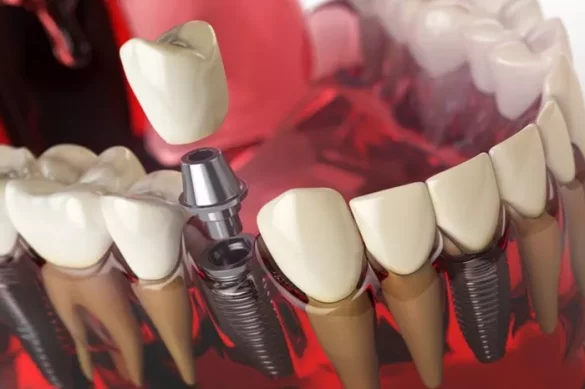
Dental implants are artificial tooth roots made primarily of titanium or titanium alloys. They are surgically placed into the jawbone to support crowns, bridges, or dentures. Dental implants have become a common solution for missing teeth due to their durability and ability to mimic natural teeth.
Components of Dental Implants
Dental implants consist of three main parts:
- Implant body: The titanium screw inserted into the jawbone.
- Abutment: Connects the implant to the artificial tooth.
- Crown or prosthetic: The visible tooth replacement attached to the abutment.
The metal components, especially the titanium screw, are generally non-ferromagnetic, meaning they are not strongly attracted to magnets.
Safety of MRI with Dental Implants
Metal and Magnetic Fields
One concern with MRI is the interaction between metal and the magnetic field. Metals can be categorized as ferromagnetic, paramagnetic, or non-magnetic. Ferromagnetic metals, like iron, pose a risk in MRI as they can move or heat up. Dental implants are usually made of titanium, which is considered non-ferromagnetic and compatible with MRI.
FDA Guidelines
The U.S. Food and Drug Administration (FDA) classifies titanium dental implants as “MRI safe.” This means patients with these implants can safely undergo MRI without risk of injury from magnetic attraction. However, caution may be needed if the implant contains other metals or alloys.
Impact on MRI Images
While dental implants are safe, they may cause artifacts in MRI images. Artifacts are distortions or signal voids caused by metal. In brain MRI, these artifacts are usually limited to the jaw area and do not interfere with imaging of the brain.
Advanced MRI techniques can reduce artifacts if needed.
Precautions Before a Brain MRI
Inform the Radiologist
Always inform the radiologist or MRI technician about your dental implants. They may ask for details such as the implant material, brand, and year of placement. This information helps the technician adjust MRI settings and anticipate any potential imaging artifacts.
Screening for Other Metal Devices
Besides dental implants, it is important to disclose other metal devices in your body. Pacemakers, cochlear implants, and some older surgical clips may not be MRI-safe. The radiology team will assess all medical implants before the scan to ensure safety.
Positioning During MRI
Proper positioning can reduce discomfort and artifacts. Patients with dental implants may be positioned slightly differently to minimize the effect of metal on the imaging area. Ear protection is also provided because MRI machines produce loud noises during scanning.
Potential Risks and Considerations
Heating of Implants
Although titanium is safe, high-strength MRI scanners can produce localized heating around metal implants. This effect is typically minor and does not cause tissue damage, but some patients may experience slight warmth near the implant site.
Image Distortion
Artifacts caused by implants are usually minor and confined to areas near the jaw. For brain imaging, the impact is minimal.
Radiologists can use specialized MRI sequences to reduce these distortions, ensuring accurate diagnosis of brain conditions.
Allergic Reactions
Although rare, some individuals may have an allergy to titanium or other implant materials. Patients should inform their physician of any known allergies before undergoing MRI. Most standard dental implants do not pose a risk of allergic reaction during MRI.
Types of Dental Implants and MRI Compatibility
Titanium Implants
Titanium is the most common implant material. It is highly compatible with MRI because it is non-ferromagnetic and does not interfere significantly with imaging. Patients with titanium implants can safely have brain MRI without risk of movement or heating.
Zirconia Implants
Zirconia implants are ceramic and completely non-metallic. They are considered MRI-safe and produce almost no image artifacts. Zirconia implants are a good alternative for patients concerned about metal exposure or imaging interference.
Older or Mixed-Metal Implants
Some older implants or special alloy implants may contain small amounts of ferromagnetic metals. In these cases, it is important to verify the exact material with the dentist. Radiologists may adjust MRI parameters to minimize risk and image distortion.
Preparing for a Brain MRI with Dental Implants
Gather Implant Information
Before your MRI, gather details about your dental implants. Bring documentation from your dentist or oral surgeon including:
- Implant material (titanium, zirconia, alloy)
- Implant brand or manufacturer
- Date of placement
- Any additional metal components in dental restorations
Follow Medical Instructions
Follow all instructions from your healthcare provider and radiology department. This may include fasting for certain scans or removing removable dental appliances like dentures or braces. Wearing metal-free clothing or accessories ensures accurate imaging.
Discuss Symptoms and History
Inform your doctor of any symptoms or conditions, such as claustrophobia or metal allergies. This allows the radiology team to provide support, such as sedation or padding, and ensure a smooth MRI experience.
After the MRI
Check for Discomfort
Most patients experience no issues after MRI. Minor warmth around the implant site may occur but usually resolves quickly.
If you experience persistent pain, swelling, or unusual symptoms, contact your dentist or physician.
Review Imaging Results
The radiologist will review the brain images and provide a report to your physician. Artifacts from dental implants are rarely significant and typically do not affect diagnosis. Your doctor will discuss findings and next steps if needed.
Summary and Key Points
Can You Safely Have a Brain MRI?
Yes, patients with standard titanium or zirconia dental implants can safely undergo brain MRI. Implants do not move or pose significant heating risks in standard clinical MRI scanners.
Potential Considerations
- Minor image artifacts near the jaw may occur.
- Inform the radiology team about implant type and material.
- Disclose any other metal devices in your body.
Best Practices
- Bring implant documentation to your MRI appointment.
- Follow all MRI safety guidelines provided by your healthcare provider.
- Consult your dentist or radiologist if you have older or mixed-metal implants.
Conclusion
Brain MRI is a safe and effective imaging tool for patients with dental implants. Titanium and zirconia implants are MRI-compatible, with minimal risk of injury or image distortion. By providing complete information to your radiology team, you can ensure a safe and accurate MRI experience. MRI artifacts caused by dental implants are usually minor and do not affect the diagnostic quality of brain images. With proper precautions, patients with dental implants can undergo brain MRI without concerns.