


For many patients facing full-arch dental restoration, the prospect of extensive surgery has long been a barrier to treatment. Traditional procedures often require significant reshaping of the jawbone, sometimes involving the removal of healthy bone tissue. The complexity and invasiveness of these methods have left some patients reluctant to move forward, particularly older adults or those with underlying health conditions.
Dr. Helena Soomer Lincoln of Fairy Tale Dental says she frequently encountered this hesitation in her practice. Patients in need of full-arch restoration—procedures that replace an entire row of teeth—were concerned about the physical toll and recovery time associated with conventional techniques.
“As a practicing dentist, I saw patients needing full-arch restoration who were reluctant due to the invasive nature of traditional methods,” Dr. Lincoln said. She noted that standard approaches often require aggressive preparation of the jaw, which can extend healing time and increase surgical risks.
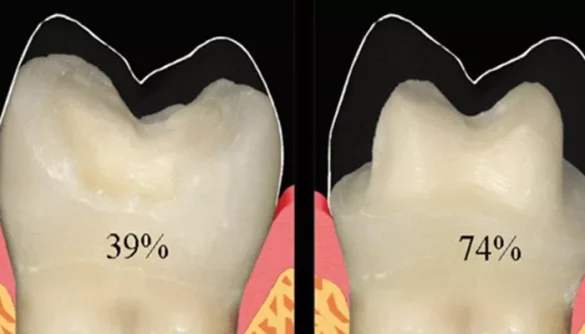
In response, Dr. Lincoln developed the TruBridge Minimally Invasive Full-Arch Restoration System, a treatment protocol designed to reduce surgical impact while maintaining durability and function. Rather than reshaping or removing large portions of bone, the TruBridge system works with a patient’s existing bone and gum structure. The approach prioritizes preservation, aiming to limit trauma to healthy tissue.
According to Dr. Lincoln, minimizing surgical intervention not only shortens recovery but also broadens access to care. Patients who might previously have been considered poor candidates for traditional full-arch procedures due to age, bone density, or medical conditions may now have a viable option.
“Minimally invasive dentistry isn’t just about technique,” she said. “It’s about safety, dignity, and accessibility.”
The system relies heavily on advanced imaging and careful pre-treatment planning. Each restoration is customized to align with the patient’s unique bone anatomy, gum contours, and facial structure. By tailoring the design to the individual, the dental team seeks to achieve both functional stability and a natural appearance.
The emphasis extends beyond aesthetics. Full-arch restoration restores the ability to chew effectively and speak clearly—functions that significantly affect daily life. Patients often report renewed confidence after treatment. Everyday activities, from dining out to participating in social events, become easier and less stressful.
Dr. Lincoln says many patients describe the results as life-changing. Some have resumed hobbies such as cooking and sports. Others note that they no longer feel self-conscious when smiling or speaking in public.
The TruBridge system reflects a broader trend in dentistry toward patient-centered care. Rather than requiring patients to conform to standardized surgical protocols, newer approaches adapt treatment plans to the individual’s health status and anatomical structure. The focus is on preserving what is healthy, reducing risk, and improving overall quality of life.
As dental technology and imaging capabilities continue to evolve, minimally invasive techniques are gaining momentum.
For patients who once viewed full-arch restoration as too daunting, innovations like TruBridge may offer a safer and more accessible path to restoring both oral function and personal confidence.