


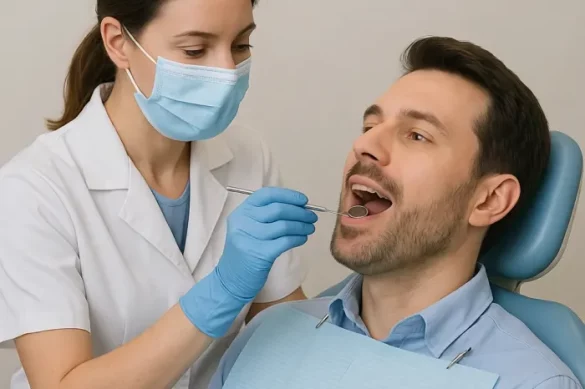
Dental bonding retailers play a important function in restorative and beauty dentistry. These retailers, additionally referred to as dental cements or adhesives, securely preserve crowns, veneers, or orthodontic home equipment to the enamel. However, extra bonding agent or the want to update a dental recuperation regularly approach the adhesive have to be eliminated competently and efficiently. Proper elimination is vital to keep healthful enamel and gums at the same time as making sure a hit destiny dental treatments.
What Is Dental Bonding Agent?
A dental bonding agent is a sort of adhesive cloth that creates a sturdy bond among dental restorations and the herbal teeth structure. It is usually used for crowns, bridges, veneers, orthodontic brackets, inlays, and onlays. Bonding retailers offer a good seal, guard the underlying teeth from micro organism and decay, and stable the dental equipment in place. There are essential sorts of dental adhesives: brief and everlasting. Temporary retailers are designed for clean elimination, at the same time as everlasting adhesives are engineered for long-lasting electricity and durability.
Why Remove a Bonding Agent from Teeth?
Bonding retailers must typically be eliminated through a dental expert. Common motives for elimination include:
Excess Cement After Restoration
During dental recuperation procedures, a small quantity of extra bonding agent might also additionally seep out across the margins. If now no longer eliminated, this could worsen the gums, reason swelling, or result in contamination.
Restoration Replacement
Over time, crowns, bridges, or veneers might also additionally want replacement. To do this, the antique bonding agent have to first be eliminated to offer a smooth floor for the brand new recuperation.
Decay or Infection
Sometimes, decay or contamination can expand beneathneath a dental recuperation. Removing the recuperation and all bonding agent is wanted to get admission to and deal with the teeth properly.
Adjustment or Realignment
If a crown, bridge, or orthodontic equipment wishes adjustment for consolation or function, the bonding agent might also additionally require partial or whole elimination.
Is It Easy to Remove Bonding Agent from Teeth?
How clean or difficult it’s miles to cast off a bonding agent relies upon on the sort used. Temporary adhesives are designed for short and mild elimination. Permanent cements shape more potent bonds and are especially meant to withstand breakdown from chewing forces and saliva over time. Because of this, doing away with everlasting bonding retailers calls for expert abilties and specialised tools. Attempting elimination at domestic can reason teeth harm or gum injury.
How Dentists Remove Bonding Agents from Teeth
The method for doing away with a dental bonding agent varies primarily based totally on whether or not it’s miles brief or everlasting. While you will be tempted to address minor bits of adhesive at domestic, expert elimination guarantees the teeth and surrounding gum tissues stay healthful.
Removing Temporary Bonding Agents
Temporary cements are usually used for short-time period crowns, bridges, or orthodontic brackets. Removal commonly includes 3 essential steps:
Softening the Cement
Dentists frequently start through making use of an answer designed to interrupt down or weaken the transient adhesive. Commonly used materials encompass ethyl alcohol or hydrogen peroxide. These chemical substances melt the bond, making it less complicated to raise off the cloth with out force.
Manual Removal
With the cement softened, the dentist makes use of a specialised device consisting of a scaler or excavator to softly scrape away the adhesive. Manual elimination is finished with precision and a sensitive contact to keep away from scraping the herbal teeth or injuring close by gum tissue.
Cleaning and Polishing
Once all seen adhesive is removed, the teeth floor is wiped clean and polished. This step gets rid of leftover particles and guarantees the webweb page is prepared for both a brand new healing or different dental remedy.
Removing Permanent Bonding Agents
Permanent bonding sellers offer a relatively long lasting bond. Their elimination calls for extra care and superior instruments:
Evaluation
The dentist assesses the circumstance of the prevailing healing and the form of cement used. This determines which techniques and equipment are most secure and maximum effective.
Restoration Sectioning (If Required)
Sometimes a crown or bridge ought to be divided into sections for secure elimination. Using a dental handpiece or diamond bur, the healing can be reduce and lifted in pieces, minimizing strain at the teeth underneath.
Mechanical Removal
Permanent cements generally do now no longer reply properly to chemical softening. Removal is finished with ultrasonic scalers, dental burs, or air abrasion. These equipment wreck down the hardened cement with out negative teeth tooth. Cooling water or air will also be used at some point of the system to save you warmness buildup and shield the teeth.
Post-Removal Care
Once the bonding agent and healing are removed, the vicinity is inspected. Depending at the volume of elimination and any trauma to the teeth structure, similarly remedy or defensive measures—consisting of fluoride application—can be provided. The teeth can also additionally then be organized for a brand new healing, if required.
Important Safety Precautions
Do Not Attempt Permanent Cement Removal at Home
Removing everlasting dental adhesives at domestic can damage teeth tooth and gum tissue, main to pain, infection, or similarly dental complications. Home elimination isn’t always advocated for robust cements or while a healing is involved.
Follow Professional Guidance
If you be aware discomfort, seen cement, or infection after a dental system, touch your dentist promptly. They have the training, equipment, and understanding to securely deal with the problem.
At-Home Approaches for Minor Excess Bonding Agent (Temporary Adhesive Only)
For minor instances wherein small bits of softened transient cement remain, mild domestic techniques can also additionally help:
Warm Water Rinse
Rinsing with heat water can ease away free particles or smooth transient cement, making brushing greater effective.
Dental Floss
Carefully sliding dental floss among enamel may also dislodge minor remnants from the margins of crowns or fillings. Avoid forceful movements to defend the dental work.
Toothpicks
A wood or plastic toothpick can lightly take away bits of cement alongside the gumline. Work slowly and punctiliously to keep away from gum injury.
Salt Water Solution
Rinsing numerous instances an afternoon with an answer of 1/2 of a teaspoon salt in a cup of heat water is soothing and can loosen mild debris.
Oil-Based Lubricants
Rubbing a small quantity of coconut or olive oil at the adhesive can assist lubricate and dislodge brief cement. Wipe the vicinity smooth after use.
Acetone Application
With your dentist’s approval, a cotton swab dipped in acetone (the lively component in nail polish remover) may also melt a few brief cements. Rinse very well after use. Always seek advice from your dentist earlier than attempting this approach.
Aftercare Following Bonding Agent Removal
After elimination, the teeth can be sensitive. Follow those care tips:
- Avoid consuming difficult or sticky meals for the primary 24 hours
- Brush lightly with a soft-bristled brush
- Rinse with moderate, non-alcoholic mouthwash or salt water
- Follow up together along with your dentist for similarly commands in case you enjoy lasting sensitivity or pain
Conclusion
Removing a bonding agent from enamel—whether or not brief or everlasting—is a manner pleasant achieved via way of means of dental professionals. While minor extra brief adhesive can once in a while be lightly addressed at home, everlasting cement elimination calls for professional contraptions to defend your enamel and gums. Never attempt to pressure or scrape off cemented restorations yourself. If you’ve got got issues approximately extra adhesive or soreness after a dental procedure, continually discuss with your dentist. Their information will manual you to the most secure and only solution, making sure your oral fitness is preserved for years to come.
Frequently Asked Questions (FAQs)
Can I take away dental bonding myself?
It isn’t always secure to strive everlasting bonding agent elimination at home. Visit your dentist to keep away from detrimental your enamel or gums.
Will leftover cement damage my gums?
Yes, extra cement can aggravate gums or even result in contamination or soreness. It ought to be eliminated via way of means of a professional.
How lengthy does it take for teeth sensitivity to subside after cement elimination?
Sensitivity normally resolves inside some days. If it lasts longer, seek advice from your dentist for evaluation.
What gear do dentists use to take away dental cement?
Dentists use scalers, ultrasonic contraptions, dental burs, and once in a while chemical solutions, relying at the sort of cement.
Is elimination painful?
Most sufferers enjoy little to no pain, aleven though a few moderate sensitivity or soreness is normal. Local anesthesia can be used for complicated cases.