


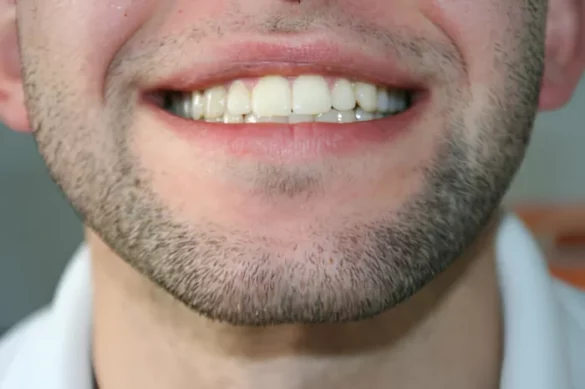
Dental bonding is a famous beauty manner used to restore minor imperfections which include chips, cracks, gaps, or discoloration in tooth. Many human beings are seeking dental bonding due to the fact it’s far less expensive, quick, and does now no longer require invasive dental work. However, one crucial query remains: are you able to cross again in your normal, untreated tooth after dental bonding? This article will discover what dental bonding involves, its effects, whether or not reversal is possible, and crucial elements for the ones thinking about or making plans to eliminate their bonded tooth.
What Is Dental Bonding?
Dental bonding makes use of a enamel-coloured resin composite, which a dentist applies without delay to the floor of a enamel. The dentist shapes and hardens the resin with a unique curing light. The procedure improves the enamel’s look and usually takes simplest one dental go to. Common makes use of for bonding consist of final small gaps, protecting discolored tooth, solving chips, or reshaping choppy tooth.
The Dental Bonding Procedure: Simple and Quick
Dental bonding begins offevolved together along with your dentist selecting a resin shadeation that intently fits your herbal tooth. The dentist then roughens your enamel floor and applies a mild liquid to assist the resin adhere. The composite resin is applied, fashioned to match the enamel, and hardened the usage of a high-depth light. The whole procedure is quick, frequently finished in approximately 30 to 60 mins in keeping with enamel.
Advantages of Dental Bonding
Dental bonding gives numerous benefits:
- It is minimally invasive, that means much less herbal enamel shape is misplaced as compared to remedies like crowns or veneers.
- The manner is typically painless and does now no longer require anesthesia except a hollow space is present.
- Bonding is one of the maximum less expensive beauty dental remedies.
- You may have your smile converted in only one go to and go back to each day sports nearly immediately.
These elements make dental bonding appealing to the ones searching for a fast, cost-powerful beauty solution.
Limitations and Downsides of Dental Bonding
There also are hazards to consider. Dental bonding does now no longer last up to crowns or veneers. The composite resin is long lasting however is extra liable to chipping, staining, and carrying down. Most bonding lasts among three to ten years, relying on non-public oral hygiene and habits. The bonded fabric can also additionally stain extra without difficulty with coffee, wine, or tobacco use, and isn’t always as robust as porcelain.
Is Dental Bonding Permanent?
Dental bonding isn’t always a everlasting manner. The resin may be removed, repaired, or changed through a dental expert if it will become chipped, stained, or in case you need a exclusive beauty remedy later on. Many sufferers begin with bonding, then improve to veneers or crowns.
Can You Go Back to Normal Teeth After Bonding?
This is a not unusualplace and comprehensible query. The solution is nuanced:
The Effect of Bonding on Natural Teeth
Dental bonding regularly calls for the teeth’s floor to be barely roughened for the resin to stick properly. In maximum cases, the dentist eliminates a minimum quantity of teeth. This method is a great deal much less invasive than making ready a teeth for a crown or veneer, which regularly calls for doing away with greater teeth. For many minor cases, the teeth’s foremost shape stays in large part intact, and best floor alteration occurs.
Reversibility of Dental Bonding
In general, bonded resin may be eliminated via way of means of a dentist thru the usage of unique sprucing discs, high-pace carbide drills, or mild abrasion. The dentist cautiously removes the composite layer whilst attempting now no longer to damage the closing herbal teeth shape. So, you may have your bonding eliminated and pick a one of a kind beauty option, or from time to time simply preserve your herbal enamel. However, due to the fact the teeth floor has been altered barely, your enamel might not be precisely as they have been earlier than bonding. Minor teeth texture modifications or diffused shadeation variations can be noticed, however the teeth is normally wholesome and functional.
What Changes to Expect After Dental Bonding Removal
After your dental bonding is eliminated, your dentist will end via way of means of cautiously sprucing your enamel to create a easy teeth floor. Some humans can also additionally see a moderate shadeation or texture distinction as compared to their unique enamel. The alternate is normally minor and now no longer harmful.
If the bonding become located to restoration a chip or break, that unique flaw will nonetheless be gift after the bonding is eliminated. Any in addition beauty work, consisting of re-bonding, putting veneers, or the usage of crowns, may be taken into consideration at this stage.
When Is Bonding Removal Necessary?
Common motives for in search of dental bonding elimination include:
- Staining or discoloration of the bonded material
- Chipping or sporting down of the bonding over time
- Desire for a one of a kind beauty treatment (like veneers or crowns)
- Underlying dental problems, consisting of decay, requiring bonding elimination for treatment
- Dissatisfaction with the look, shape, or shadeation after the preliminary procedure
Is Bonding Right For You?
Dental bonding is great for people with minor chips, cracks, gaps, or discoloration, and who need a fast, low-cost, non-invasive improvement. If you watched you could need to go back on your unique smile later, bonding gives greater flexibility than everlasting alternatives like crowns or porcelain veneers. However, as with all dental treatment, it’s miles crucial to speak about your desires with a certified dentist. They permit you to weigh the professionals and cons and suggest you at the great alternatives to your particular case.
Taking Care of Bonded Teeth
Whether you preserve your bonded enamel or determine to have the composite eliminated, keeping precise oral hygiene is essential. Brush two times daily, floss each day, and attend everyday expert dental cleanings. Avoid biting tough objects (like pens or ice) and restriction foods and drinks which could stain or put on the bonding material.
Conclusion
It is viable to take away dental bonding and pass again for your authentic tooth, however your tooth won’t be precisely similar to earlier than the manner. The method is secure while completed via way of means of a professional dental professional, and maximum humans word best minor, if any, modifications to their herbal tooth. If you’re thinking about bonding, or going through a selection approximately putting off or changing it, seek advice from your dentist to make the quality plan on your lengthy-time period oral fitness and smile appearance.
FAQs About Dental Bonding and Tooth Restoration
Can dental bonding be eliminated with out harming my tooth?
Yes. A dentist can lightly take away the composite resin and varnish your tooth. Minor modifications to the teeth can also additionally occur, however the manner is secure for maximum patients.
Will my tooth appearance similar to earlier than bonding?
The teeth floor can be barely altered or much less clean after bonding removal, however maximum modifications are minor and do now no longer have an effect on teeth fitness or function.
How lengthy does dental bonding closing?
Dental bonding can closing among three and 10 years with exact dental care earlier than it desires to get replaced or repaired.
What are my alternatives after putting off dental bonding?
You can also additionally pick out any other bonding application, transfer to veneers or crowns for a greater everlasting result, or in reality preserve your herbal teeth relying for your desires and dentist’s advice.