


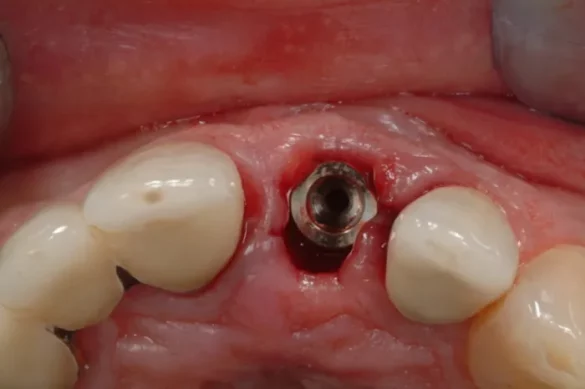
Oral implantology has become a cornerstone of modern dentistry, offering innovative solutions for tooth loss. This field makes it possible for people to regain the function and beauty of their smile with procedures that are safe, reliable, and long-lasting. Dental implants, the primary focus of oral implantology, serve not just as artificial replacements but as truly integrated parts of the mouth, allowing for a return to normal eating, speaking, and confidence.
Definition and Scope of Oral Implantology
Oral implantology is a specialized branch of dentistry devoted to the replacement of missing teeth using dental implants. It deals with the design, placement, and maintenance of these artificial tooth roots, which are typically made of titanium or other biocompatible materials. These implants fuse directly to the bone, offering a stable foundation for crowns, bridges, or dentures. Oral implantologists use advanced techniques and sophisticated equipment to ensure that implants are placed safely and function effectively.
How Dental Implants Work
Dental implants are small, screw-shaped devices crafted from materials that are accepted by the human body, most commonly titanium. When a tooth is lost, either due to accident, disease, or decay, an implant is inserted directly into the jawbone. Over several months, the bone grows around and secures the implant — a process known as osseointegration. This forms a strong and lasting base for the attachment of replacement teeth. The implant is paired with an abutment, which connects it to a custom-made artificial tooth, usually manufactured from porcelain, zirconia, or composite materials.
Step-by-Step Implantology Procedure
- Consultation and Planning: The dentist performs a detailed oral examination and radiographic imaging to assess bone quality and overall dental health. A treatment plan tailored to the patient’s needs is developed.
- Implant Placement: Under local anesthesia, the implant is surgically inserted into the jawbone. The site may require bone regeneration if there isn’t enough healthy bone.
- Healing Phase: The implant integrates with the bone during a healing period, usually lasting 3 to 6 months. Temporary teeth may be provided.
- Attachment of Prosthesis: Once the implant is fully integrated, the permanent crown, bridge, or denture is crafted and attached, restoring function and aesthetics.
Advantages of Oral Implantology
Oral implantology offers multiple advantages over traditional tooth replacement methods:
Improved Function
Implants restore the natural ability to chew, allowing patients to enjoy a wide variety of foods without discomfort. Unlike dentures, they do not slip or need removal for cleaning.
Enhanced Appearance
Dental implants look and feel like real teeth. Skilled technicians precisely match the color and shape to the patient’s existing teeth, ensuring a harmonious and attractive smile.
Long-Term Durability
Titanium implants are exceptionally resilient and, with proper care, can last decades or even a lifetime. Regular hygiene and professional check-ups are essential.
Preservation of Jawbone and Facial Structure
When a tooth is lost, the surrounding bone gradually deteriorates. Implants stimulate the bone through normal chewing pressure, preventing further bone loss and helping to maintain facial volume and shape.
Protection of Healthy Teeth
Unlike bridges, implants do not require filing down adjacent teeth. Healthy teeth remain untouched, reducing the risk of future complications.
Psychological Benefits
Patients report increased self-esteem and confidence, thanks to a restored smile and normal speech. Social activities, dining out, and personal interactions become easier.
Who Is a Good Candidate for Oral Implantology?
Dental implants are suitable for many adults who have lost one or more teeth. Candidates must be in good overall health, have adequate bone for implant placement, and maintain excellent oral hygiene. Certain medical conditions such as uncontrolled diabetes, heavy smoking, or some medications may affect healing and implant success. Age is rarely a limitation; implants can benefit patients well into their seventies, eighties, or even nineties.
Risks and Considerations in Oral Implantology
Although oral implantology is a safe and well-established procedure, it does carry some risks:
- Infection: While rare, infections can occur during or after surgery if proper hygiene is not maintained.
- Nerve Injury: If the implant is placed too close to a nerve, temporary or permanent numbness may occur.
- Implant Failure: This is uncommon but can result from poor bone quality, improper planning, or failure to follow aftercare instructions.
- Allergic Reactions: Titanium is hypoallergenic, and allergies are extremely rare.
- Complications during Healing: Smoking and poorly controlled diabetes increase risks.
Careful consideration of general health, bone quality, and lifestyle factors is critical for successful implant placement. Your dentist will evaluate each case individually and provide specific recommendations.
Materials Used in Dental Implants
The most common material for implants is titanium, chosen for its biocompatibility, strength, and resistance to corrosion. Titanium fuses directly to the bone, creating a stable foundation. Alternatives include zirconia and ceramic materials, which also offer excellent biocompatibility and are preferred for patients with specific aesthetic or allergic concerns. Implant crowns and bridges are typically made from porcelain or zirconium oxide, designed to mimic the look and strength of natural enamel.
Types of Dental Implant Prostheses
- Single Tooth Implants: Used to replace a single missing tooth. The implant supports an individual crown.
- Multiple Tooth Implants: Several implants can support a bridge, replacing two or more contiguous teeth.
- Full Arch Prostheses: For patients missing all teeth in the upper or lower jaw, a series of implants support a full arch denture or fixed prosthesis.
- Removable Dentures on Implants: For complete toothlessness, implants provide anchor points for removable dentures, improving stability and comfort.
Modern Innovations in Implantology
Recent advances allow for immediate loading, where an implant and temporary tooth are placed in the same appointment, provided bone quality and stability are sufficient. Digital imaging and planning tools improve precision and reduce surgery times. Custom-made prostheses ensure seamless integration with existing teeth.
Caring for Dental Implants
Dental implants require the same care as natural teeth. Daily brushing, flossing, and routine dental check-ups are vital. Patients should follow specific hygiene instructions provided by their dentist and attend regular cleaning appointments. Bacteria can settle around implants, leading to gum inflammation or even bone loss if neglected.
The Role of Oral Implantology in Quality of Life
Replacing missing teeth through implantology restores not just dental function but also quality of life. Patients can chew, speak, and smile without embarrassment. The preservation of bone and facial structure maintains youthful appearance and confidence. Implants prevent further shifting of teeth and contribute to overall oral health.
Conclusion
Oral implantology is a science-driven and patient-focused specialty that offers safe, reliable, and long-lasting solutions for tooth loss. With modern materials and advanced procedures, dental implants provide functional, aesthetic, and psychological benefits far beyond older methods. While careful consideration and planning are required, the vast majority of patients benefit from improved quality of life, restored function, and renewed confidence. As research and technology continue to evolve, the field of oral implantology will only become more effective and accessible.
FAQs
What is oral implantology?
Oral implantology is the branch of dentistry that focuses on replacing missing teeth with artificial roots called dental implants.
Who can get dental implants?
Most adults with good general and oral health, enough jawbone, and non-smoking habits are suitable candidates.
How long do dental implants last?
With proper care and regular checkups, implants can last many years, often a lifetime.
Are dental implants painful?
Implant placement is performed under local anesthesia. Most patients report only mild discomfort after the procedure.
What materials are used in dental implants?
Most implants are made from titanium or zirconia, which are biocompatible and strong.
How do I care for my dental implants?
Maintain daily hygiene with brushing, flossing, and regular dental visits, just as with natural teeth.