


Life in Silverdale has a rhythm of its own, from morning walks along quiet streets, enjoying coffee with friends, to savoring family meals at home. Missing teeth and bone loss, however, can make these everyday activities less enjoyable and more challenging.
Many seniors assume that bone loss automatically rules out dental implants. While a healthy jawbone is important, modern dental techniques have expanded the possibilities. Today, even seniors with bone loss can often restore their smiles successfully.
Understanding how bone loss affects implants and exploring the available solutions can help you make confident decisions about your oral health.
What Leads to Jawbone Loss?
Jawbone loss is a common concern as we age. It frequently happens after tooth loss, as the bone no longer receives stimulation from natural tooth roots. Without this stimulation, the jaw can gradually shrink, affecting facial structure and making tooth replacement more difficult.
Other contributing factors include gum disease, long-term denture wear, and certain medical conditions. The longer a tooth is missing, the more likely the surrounding bone is to weaken.
Why Jawbone Strength Matters for Implants
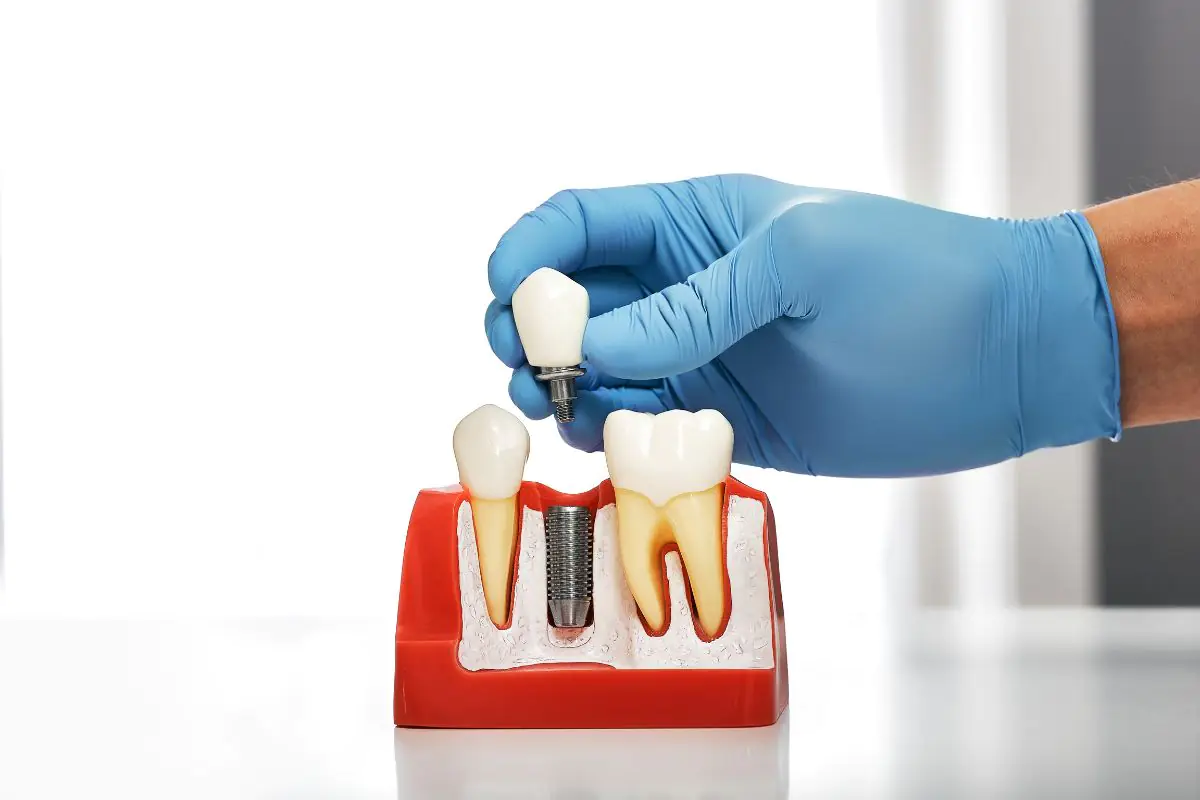
Dental implants rely on the jawbone for stability. The implant post integrates with the bone in a process called osseointegration, creating a strong foundation for crowns, bridges, or dentures.
If the bone is thin or soft, it may not adequately support an implant. While bone density is a key consideration, having bone loss doesn’t automatically rule out implants; it just means extra planning may be needed.
Can Seniors With Bone Loss Still Get Implants?
Yes, many seniors with bone loss can successfully receive implants. Modern dentistry offers techniques to rebuild or work around areas of diminished bone.
Each situation is unique, and factors like remaining bone, overall health, and treatment goals are considered during a comprehensive evaluation. Imaging helps dentists plan the most effective approach.
Treatment Options for Seniors with Bone Loss
When bone loss is present, several strategies can make dental implants possible:
Bone Grafting
Bone grafting strengthens areas where the jawbone is thin or weak. Bone material is added to these areas, and over time, it fuses with existing bone to provide a stable base for implants. While healing can take a few months, it greatly improves long-term success.
Sinus Lift
For implants in the upper jaw, a sinus lift may be needed if there isn’t enough bone height. This procedure elevates the sinus floor and adds bone material, making implants feasible for many patients who might otherwise be ineligible.
Mini Dental Implants
Mini implants are smaller in diameter than traditional implants and may be suitable for patients with lower bone density. They often involve a less invasive procedure and faster recovery, providing an alternative when traditional implants aren’t ideal.
Implant-Supported Dentures
For significant bone loss, implant-supported dentures offer greater stability than traditional dentures. Even a few strategically placed implants can anchor a denture securely, improving eating, speaking, and comfort.
Benefits of Dental Implants for Seniors
Dental implants provide several advantages even for seniors with bone loss:
- Stable and secure fit: No slipping or shifting, allowing a natural eating experience and more confidence in social settings.
- Bone stimulation: Helps slow or prevent further jawbone loss, preserving facial structure.
- Long-lasting solution: With proper care, implants can support oral function for many years.
Important Considerations Before Getting Implants
While implants are a great option for many seniors, there are a few important factors to keep in mind.
Overall health plays a role in healing and recovery. Conditions such as diabetes or osteoporosis may require additional evaluation but do not automatically disqualify you.
Lifestyle habits, including smoking, can also affect the success of implants. Your dentist may recommend certain changes to improve outcomes.
It’s also important to consider the timeline. Procedures like bone grafting require healing time, so the process may take longer compared to other tooth replacement options.
Caring After Implants
Dental implants require care similar to natural teeth. Daily brushing, flossing, and regular dental visits are key to maintaining implant health. Proper care preserves surrounding bone and gum tissue, ensuring your implants last for many years.
Don’t Let Bone Loss Hold You Back
Tooth loss and bone changes are natural with age, but they don’t have to limit your options. Modern dentistry allows many seniors in Silverdale to safely and effectively restore their teeth.
At Clear Creek Dentistry, our experienced dental team creates personalized treatment plans to meet your unique needs. Contact us today at our Silverdale dental office to take the first step toward improved oral health, greater stability, and renewed confidence in everyday life.
FAQs About Dental Implants for Seniors with Bone Loss
- Can seniors with bone loss get dental implants?
Yes. Advanced procedures like bone grafts or mini implants can make treatment possible for many seniors. - What causes jawbone loss?
Jawbone loss often results from missing teeth, gum disease, aging, or reduced stimulation in the jaw. - Are dental implants safe for older adults?
Generally, yes. Seniors in good health can safely receive implants, with evaluations ensuring appropriate care. - What if there isn’t enough bone for implants?
Options include bone grafting, sinus lifts, or specialized implants designed for low bone density. - How long do dental implants last in seniors?
With proper care, implants can last many years or even decades. - Is the implant procedure painful for seniors?
Most procedures are done under local anesthesia. Mild post-surgery discomfort is manageable with medication. - How long does it take to get implants with bone loss?
The timeline varies; bone grafts can add several months to the healing process to ensure a strong foundation.