


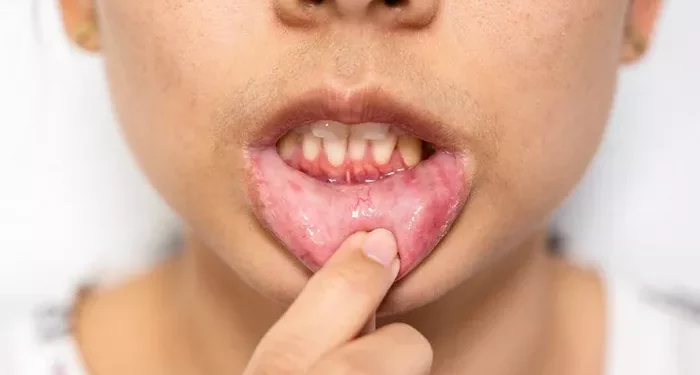
The American Dental Association has issued updated guidance reinforcing that routine clinical examinations should remain the foundation of early oral cancer detection, while recommending against the use of vital staining adjuncts to determine whether a biopsy is needed.
The latest recommendations were published online April 6 and will appear in the June issue of The Journal of the American Dental Association (JADA). They represent the second set of recommendations released as part of the ADA’s living guideline on early oral cancer detection.
The new guidance specifically addresses vital staining adjuncts such as toluidine blue, a dye used to highlight areas in the mouth that may appear abnormal. According to the ADA, current evidence does not support using these staining tools to decide which lesions require biopsy or specialist referral.
Instead, the organization reaffirmed that clinicians should perform comprehensive extraoral and intraoral examinations for all adult patients, while also reviewing updated medical, social and dental histories. These conventional visual and tactile exams remain the primary method for identifying potentially precancerous or cancerous lesions at an earlier stage.
“Oral cavity and oropharyngeal cancers are common malignancies and are associated with significant morbidity and mortality,” said Mark Lingen, D.D.S., Ph.D., professor of pathology at the University of Chicago Medicine and former member of the ADA Council on Scientific Affairs. “Dental professionals are uniquely qualified to perform regular conventional and visual tactile exams to identify precancerous and cancerous lesions at earlier clinical stages, thereby improving outcomes.”
The guideline also maintains that a punch or scalpel biopsy followed by histopathological assessment remains the preferred method for making a definitive diagnosis of oral squamous cell carcinoma or oral potentially malignant disorders.
ADA officials said reliance on vital staining adjuncts could increase the risk of unnecessary procedures or delayed diagnosis. As a result, the guideline conditionally recommends against using these adjuncts both for patients who already present with mucosal abnormalities in the oral cavity or on the lip and for asymptomatic adults with no visible signs of disease.
Because the recommendations are classified as conditional, the ADA noted that they are based on limited available evidence, meaning clinicians and patients may still consider individual preferences and circumstances when making care decisions.
“Based upon the currently available science, we do not recommend the use of vital staining as a screening adjunct to aid in the decision-making process of determining which patients require a biopsy to diagnose oral potentially malignant disorders and oral cavity cancer,” Dr. Lingen said.
The updated guidance builds on a 2017 clinical practice guideline focused on evaluating potentially malignant disorders, including oral cancer. It is part of the ADA Living Guideline Program, launched in 2025 to provide clinicians and patients with more frequently updated, evidence-informed recommendations as new research emerges.
The guideline was developed by methodologists from the Center for Integrative Global Oral Health at the University of Pennsylvania School of Dental Medicine and reviewed by a multidisciplinary panel chaired by Dr. Lingen. The development process also included public comment from oral health professionals and broader stakeholder engagement.
The first set of recommendations from the living guideline, focused on cytology adjuncts, was published in March. Additional recommendations covering light-based adjuncts and salivary tests are expected later this year in JADA Evidence.
Tags: disease