


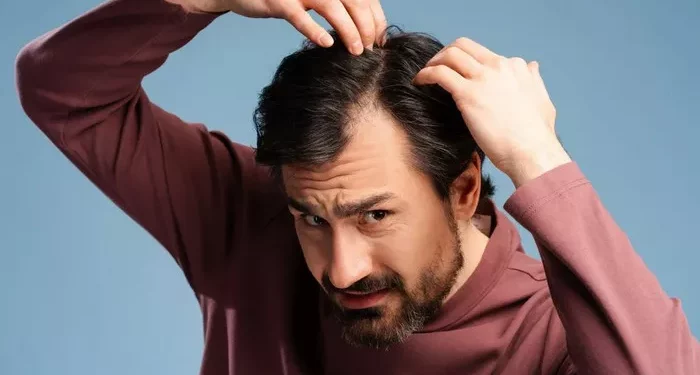
A prescription pill originally developed for prostate-related conditions is gaining wider attention as an effective treatment for male pattern baldness, offering hope to millions of men dealing with hair thinning and receding hairlines.
Hair loss remains one of the most common appearance-related concerns among men, particularly as they age. While the process can feel frustrating and emotionally distressing, medical experts say science-backed treatments are available — and one of the most established is finasteride.
Finasteride is commonly prescribed to treat androgenetic alopecia, also known as male pattern baldness, a condition largely driven by genetics and hormone activity. Researchers say the main culprit behind this type of hair loss is dihydrotestosterone (DHT), a hormone derived from testosterone that gradually shrinks hair follicles over time.
As hair follicles become smaller, they produce thinner, weaker strands until hair growth slows significantly or stops altogether. This process usually affects the crown and hairline first, eventually leading to visible baldness in many men.
Finasteride works by reducing the body’s production of DHT. By lowering levels of the hormone, the drug helps protect vulnerable hair follicles from further shrinkage, which can slow hair loss and, in some cases, stimulate partial regrowth.
Clinical studies have shown that men who take finasteride consistently may see noticeable benefits over time, particularly when treatment begins in the earlier stages of hair thinning. Experts note that the medication is generally more effective at maintaining existing hair than fully restoring hair that has already been lost, though some regrowth is possible.
Doctors often stress that hair loss treatment requires patience. Results from finasteride typically take several months to become visible, and stopping the medication can allow hair loss to resume as DHT levels rise again.
The pill was originally developed to treat benign prostatic hyperplasia (BPH), a condition involving enlargement of the prostate. However, its impact on DHT soon made it a valuable option in the treatment of male hair loss as well.
While finasteride is widely regarded as one of the most effective oral treatments for baldness, medical professionals advise men to consult a doctor before starting the medication, especially to discuss possible side effects and determine whether it is the right treatment based on their overall health and stage of hair loss.
As demand for evidence-based hair restoration solutions grows, finasteride continues to stand out as a leading option for men looking to slow balding and preserve hair for longer.