


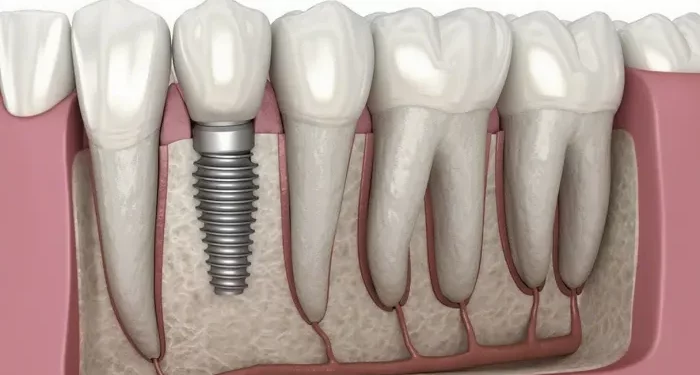
Dental implants placed with maxillary sinus augmentation demonstrate high success in the rehabilitation of patients with lost teeth in the upper back jaw, according to a comprehensive review of research studies. This procedure, often necessary due to bone loss after the removal of teeth in the upper jaw, involves increasing bone height in the sinus area to allow stable implant placement.
Researchers analyzed data from 22 studies involving a total of 6,860 dental implants. The results showed that the average survival rate of these implants is 97%, with only 3% failing over lengths of follow-up ranging from six months to fifteen years. Two common techniques were studied: the lateral window technique and the crestal (or transalveolar) approach. The review found that the crestal approach, which is less invasive and suitable when there is more bone available, had a lower rate of implant failure than the lateral window technique, which is reserved for cases with greater bone loss.
Undo
Marginal bone loss (MBL) around implants, which is important for long-term stability, was also examined. On average, the marginal bone loss was 1.17 mm, a figure considered acceptable for implant longevity. However, the studies varied widely in their methods and patient populations, resulting in inconsistent results for bone loss data.
Undo
Materials used for the bone graft were found to influence outcomes less than previously thought. While using a patient’s own bone (autograft) is common, newer materials such as animal-derived or synthetic substitutes may offer similar results with fewer complications. Some studies also support the idea of performing the procedure without additional graft material in specific cases.
Undo
Despite the positive results, the review highlights the need for uniform standards and better quality studies. Many included studies had a moderate risk of bias, and differences in surgical technique, patient selection, and outcome measurement make it difficult to compare results directly. Experts recommend future research that follows clear, standardized guidelines to further improve dental implant care.
In conclusion, maxillary sinus floor augmentation is confirmed as a reliable and effective solution for dental implant placement in challenging upper back jaw cases. Selection of the surgical approach should depend on the amount of bone available rather than a belief in the superiority of one technique, and both traditional and alternative graft materials can be considered.
Undo Tags: dental implantdental implantsteeth