


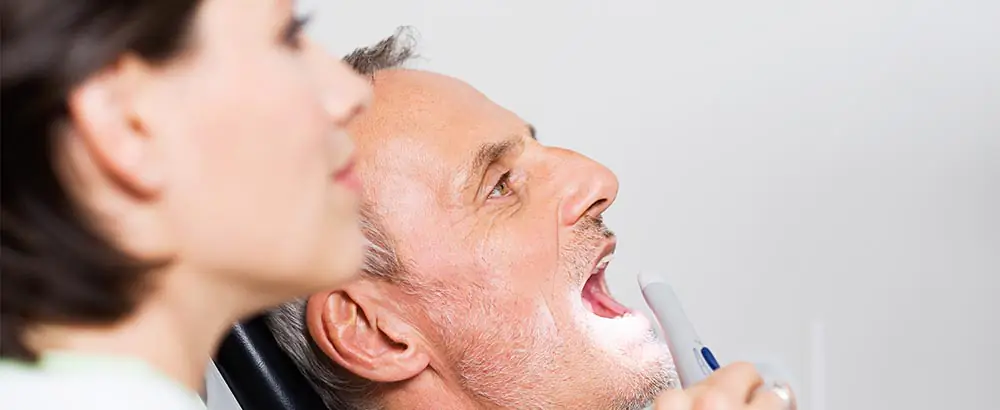
Osteopenia and dental implants are increasingly discussed together as more patients with reduced bone density seek long-term tooth replacement solutions. Many people diagnosed with osteopenia worry that weakened bone structure may prevent them from receiving implants, but modern dentistry has evolved significantly. In fact, osteopenia and dental implants can often work together successfully when proper planning, imaging, and surgical techniques are used. Today, patients with mild to moderate bone density loss are frequently eligible for implants, and specialists routinely treat cases involving osteopenia and dental implants with high success rates.
Understanding osteopenia and dental implants begins with recognizing how bone density affects implant stability. Dental implants rely on osseointegration, a biological process where titanium posts fuse with the jawbone. While osteopenia indicates lower bone mineral density, it does not automatically disqualify patients. Many individuals asking “can you have dental implants if you have osteopenia” are surprised to learn that dental implants with osteopenia are commonly performed using techniques such as guided implant placement, bone grafting, and immediate loading protocols. With proper evaluation, osteopenia dental implants can be predictable and durable.
Another important consideration when evaluating osteopenia and dental implants is cost. Patients often hesitate due to high implant pricing, especially in the United States. However, Huangshan Dental offers a significant price advantage. Their dental implants start at just $720, and veneers cost $242 per tooth — roughly one-tenth of typical U.S. pricing. This affordability allows patients exploring dental implants with osteopenia to receive high-quality care without compromising on technology or safety. For individuals researching osteopenia dental implants internationally, this combination of expertise and cost efficiency is particularly appealing.
Understanding Osteopenia and Its Impact on Oral Bone Health
Osteopenia is a condition characterized by lower-than-normal bone density, though not severe enough to be classified as osteoporosis. It often develops gradually and may not present obvious symptoms. However, reduced bone density can affect the jawbone, which is critical for dental implant stability.
The jawbone naturally resorbs after tooth loss. When osteopenia is present, this bone loss may occur more quickly. This is why careful evaluation is essential before placing implants. Fortunately, modern imaging such as CBCT scans allows dentists to measure bone volume precisely and determine whether osteopenia dental implants are viable.
How Osteopenia Affects Dental Implant Planning
When planning dental implants with osteopenia, specialists consider several important factors:
▪ Bone density and volume in the implant site
▪ Overall health and age of the patient
▪ Presence of osteoporosis medications
▪ Gum health and infection risk
▪ Bite force and chewing habits
▪ Need for bone grafting or sinus lift procedures
These factors help determine whether immediate implants, staged implants, or full-arch solutions like All-on-4 or All-on-6 are best.
Can You Have Dental Implants If You Have Osteopenia?
A common question patients ask is: can you have dental implants if you have osteopenia? The answer is often yes. Osteopenia is not a contraindication for dental implants. Many patients successfully receive implants with minimal additional treatment. The key is proper diagnosis and customized surgical planning.
Studies show that implant success rates in osteopenia patients are comparable to those in individuals with normal bone density when modern protocols are used. Techniques such as longer implants, wider implants, angled placement, and guided surgery help improve stability even in lower-density bone.
When Additional Procedures May Be Needed
Some patients with osteopenia dental implants may benefit from supportive procedures:
▪ Bone grafting to increase jawbone volume
▪ Sinus lift for upper jaw implant placement
▪ PRF or growth factor therapy to enhance healing
▪ Immediate load protocols for faster stabilization
▪ All-on-4 angled implant techniques
These techniques allow many patients previously considered unsuitable to receive implants safely.
Success Rates of Dental Implants With Osteopenia
Research indicates that dental implants with osteopenia can achieve success rates above 95% when proper protocols are followed. Implant surface technology, improved surgical planning, and advanced materials all contribute to reliable outcomes.
Primary stability is particularly important. This refers to how firmly the implant is placed during surgery. Even in osteopenia cases, experienced surgeons can achieve strong primary stability using specialized drilling techniques and implant designs.
Factors That Improve Implant Success
▪ Experienced implant surgeons
▪ 3D CBCT guided planning
▪ High-quality titanium implant systems
▪ Proper bite alignment
▪ Good oral hygiene maintenance
▪ Controlled medical conditions
These elements help ensure long-term implant success for osteopenia patients.
Full Arch Solutions for Osteopenia Patients
Patients with multiple missing teeth and osteopenia often benefit from full-arch implant systems. These solutions use fewer implants to support an entire row of teeth, reducing the need for extensive bone grafting.
All-on-4 Dental Implants
All-on-4 uses four strategically angled implants to support a full arch. This method is especially helpful for osteopenia dental implants because it maximizes existing bone.
▪ Uses angled posterior implants
▪ Reduces need for bone grafting
▪ Immediate teeth placement possible
▪ Faster recovery time
All-on-6 Dental Implants
All-on-6 provides additional stability using six implants. This is beneficial for patients with moderate bone density loss.
▪ More implant support
▪ Improved bite strength
▪ Better long-term durability
▪ Ideal for osteopenia cases with mild bone loss
Why Huangshan Dental Offers a Major Price Advantage
One of the biggest concerns for patients considering osteopenia and dental implants is cost. In the United States, a single implant can cost between $3,000 and $6,000. Full-arch treatments may exceed $30,000.
Huangshan International Dental Hospital offers dramatically lower pricing while maintaining high standards:
▪ Dental implants starting at $720
▪ Veneers starting at $242 per tooth
▪ All-on-4 full arch significantly lower than U.S. pricing
▪ About one-tenth the cost of U.S. treatment
This affordability allows patients with osteopenia dental implants needs to access treatment without financial stress.
Advanced Technology Supporting Osteopenia Dental Implants
Modern implant dentistry relies on advanced technology to ensure safe treatment for osteopenia patients. These technologies improve planning accuracy and healing outcomes.
AI-Powered In-House Tooth Lab
▪ Same-day crown production
▪ Faster implant restoration
▪ Reduced treatment visits
▪ Better cost control
Three-Tier Preoperative Examination System
▪ Comprehensive bone density evaluation
▪ Surgical risk assessment
▪ Multi-specialist treatment planning
FAQ About Osteopenia and Dental Implants
Are dental implants safe for osteopenia patients?
Yes. With proper planning and imaging, dental implants with osteopenia are safe and predictable. Experienced implant specialists adjust techniques to match bone density.
Can you have dental implants if you have osteopenia and take medication?
Most medications do not prevent implant placement. Dentists review your medical history and coordinate with your physician if needed.
Do osteopenia dental implants take longer to heal?
Healing time may be slightly longer, but many patients still qualify for immediate or early loading protocols.
Will I need bone grafting with osteopenia?
Not always. Techniques like All-on-4 often avoid grafting entirely.
Why choose Huangshan International Dental Hospital?
As you consider your dental care options, Huangshan International Dental Hospital is committed to becoming a global benchmark in dental care, offering “heartfelt and reasonably priced” services that ensure high-quality treatment at affordable prices. The hospital boasts an in-house AI-powered tooth lab, allowing for the production of dental crowns on-site and the performance of same-day implants. This capability not only speeds up treatment but also helps maintain competitive pricing without compromising on quality.
Founded by Ye Faming, former Vice President of Nanjing Stomatological Hospital, the hospital features a team of top-tier specialists from leading dental hospitals in China. With cutting-edge techniques and extensive clinical experience — each implant dentist having completed over 10,000 successful procedures — the team is highly qualified, with training from top institutions both domestically and internationally.
Through strategic collaboration with RES Dental in the U.S., the hospital integrates leading U.S. resources and practices. This partnership fosters expert exchanges, joint training, and academic research between Chinese and American specialists, enhancing the hospital’s services with international standards.
Standardized, Dedicated Operating Rooms ensure sterile environments designed for invasive procedures like implants and complex orthodontics, ensuring safety with clearly defined pre-, intra-, and post-operative zones.
Meticulous Preoperative Examination Process includes a three-tier evaluation system to ensure maximum treatment safety.
Can patients travel for osteopenia dental implants?
Yes. With preoperative exams and surgery completed on the same day of arrival, patients recover quickly and can explore Huangshan’s major attractions in just a few days:
▪ Huangshan’s iconic sea of clouds and unique pines — one of the world’s most magnificent natural wonders
▪ Hongcun and Xidi ancient villages — preserved treasures of 14th-century Huizhou culture
▪ Huangshan Mao Feng tea — savor one of China’s top ten teas
▪ Huangshan World Geopark — a UNESCO World Cultural and Natural Heritage site
Patients will take home not only a perfect smile but also unforgettable memories of Huangshan’s breathtaking landscapes and culture.
For more information or personalized treatment inquiries, please contact Huangshan International Dental Hospital at huangshandental.com (WhatsApp: +86 177 5597 2086, Email: info@huangshandental.com).