


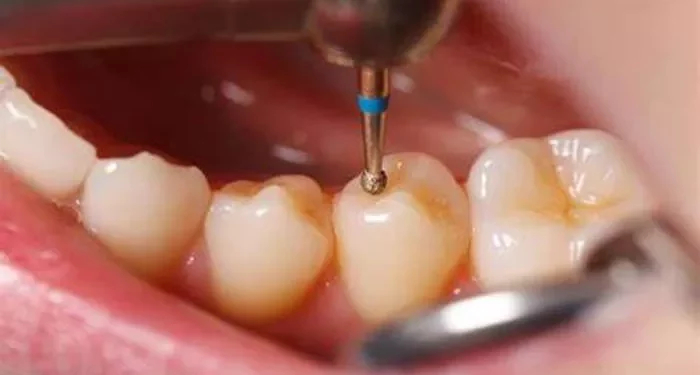
When your dentist tells you that you need a filling, it’s natural to have questions. Many patients wonder why the procedure is necessary, especially if they aren’t experiencing any pain. As a dental professional, I want to explain the important reasons why tooth fillings are recommended and how they protect your oral health. Understanding this common dental treatment can help you make informed decisions about your care.
What Tooth Decay Does to Your Teeth
The Cavity Formation Process
Cavities develop through a specific sequence:
Undo
- Bacteria in plaque convert sugars into acids
- These acids dissolve mineral content from enamel
- Early decay appears as white spots on teeth
- Untreated, the damage progresses into deeper layers
Why Decay Won’t Heal Itself
Unlike some body tissues, teeth can’t regenerate:
Undo
- Enamel lacks living cells to repair damage
- Once lost, tooth structure doesn’t grow back
- The cavity becomes a permanent defect
- Bacteria continue growing in the damaged area
How Fillings Restore Damaged Teeth
Stopping Decay Progression
Fillings serve several crucial purposes:
Undo
- Remove all decayed tooth material
- Eliminate bacteria from the cavity
- Prevent further spread of infection
- Seal the tooth against new bacterial invasion
Restoring Tooth Function
Fillings help maintain normal tooth use:
- Rebuild proper chewing surfaces
- Maintain correct spacing between teeth
- Preserve normal bite alignment
- Prevent excessive stress on surrounding teeth
Common Signs You Might Need a Filling
Visible Indicators
Problems you might notice yourself:
- Dark spots or holes in teeth
- Chipped or broken tooth areas
- Rough edges you can feel with your tongue
- Stains that don’t improve with brushing
Symptoms You Might Experience
Physical signs of potential decay:
- Tooth sensitivity to hot, cold, or sweet foods
- Pain when biting down on certain teeth
- Food frequently getting stuck in one area
- Unexplained bad taste in your mouth
The Consequences of Delaying a Needed Filling
Risk of Further Damage
Untreated cavities continue growing:
- Decay spreads deeper into the tooth
- Larger areas of tooth structure are destroyed
- The cavity becomes more expensive to treat
- Treatment becomes more complex over time
Potential for Serious Complications
Possible outcomes if decay progresses:
- Infection reaching the tooth nerve (requiring root canal)
- Tooth fracture from weakened structure
- Abscess formation at the tooth root
- Eventual tooth loss in severe cases
The Filling Procedure Explained
Initial Tooth Preparation
What happens before placing the filling:
- Numbing the area for comfort
- Removing all decayed material
- Cleaning and disinfecting the cavity
- Shaping the space to hold the filling
Filling Material Placement
How dentists restore the tooth:
- Selecting appropriate filling material
- Layering and shaping the restoration
- Adjusting for proper bite alignment
- Polishing for smooth finish
Types of Dental Fillings Available
Composite Resin Fillings
Popular tooth-colored option:
- Matches natural tooth shade
- Bonds directly to tooth structure
- Requires less tooth removal
- Ideal for visible front teeth
Amalgam Fillings
Traditional silver-colored fillings:
- Extremely durable for back teeth
- Long clinical track record
- More affordable option
- Withstands heavy chewing forces
Caring for Your Teeth After a Filling
Immediate Aftercare
What to expect post-treatment:
- Temporary sensitivity to temperature
- Careful chewing until anesthesia wears off
- Mild gum tenderness near treated tooth
- Following any special dentist instructions
Long-Term Maintenance
Keeping your filling in good condition:
- Continue regular brushing and flossing
- Avoid chewing extremely hard foods
- Watch for changes in the filled tooth
- Maintain routine dental checkups
Preventing Future Fillings
Effective Oral Hygiene
Daily habits that protect teeth:
- Proper brushing technique twice daily
- Thorough flossing between all teeth
- Using fluoride toothpaste
- Antimicrobial mouthwash if recommended
Smart Dietary Choices
Eating to prevent decay:
- Limiting sugary snacks and drinks
- Choosing tooth-friendly snacks
- Drinking plenty of water
- Avoiding constant grazing
When to See Your Dentist
Monitoring Existing Fillings
Signs you might need replacement:
- Visible cracks or chips in filling
- Sensitivity around filled tooth
- Feeling rough edges with your tongue
- Noticeable darkening at filling edges
Regular Preventive Care
Why checkups matter:
- Early detection of new cavities
- Professional cleaning removes buildup
- Fluoride treatments strengthen enamel
- Professional assessment of old fillings
Conclusion
Tooth fillings play a vital role in stopping decay and preserving your natural teeth. While no one looks forward to dental treatment, understanding why fillings are necessary can help you appreciate their importance in maintaining your oral health. Modern dentistry offers comfortable, effective solutions that restore both function and appearance to damaged teeth.
If your dentist has recommended a filling, don’t delay treatment. Addressing cavities early leads to simpler procedures, better outcomes, and lower costs in the long run. With proper care, your filling can last for many years while protecting your tooth from further damage. Remember that maintaining good oral hygiene and regular dental visits remain your best defense against future cavities.