


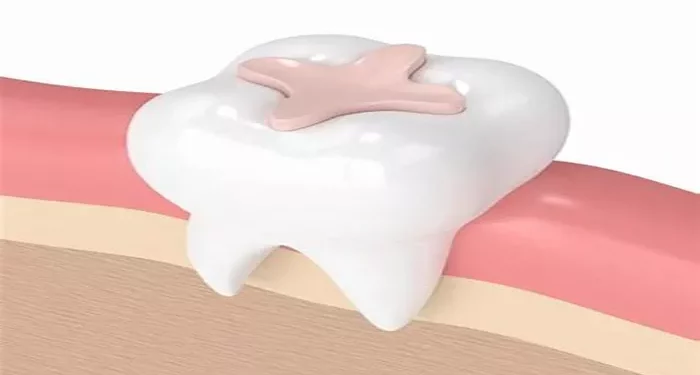
When patients learn they have a cavity, many wonder why the tooth needs to be filled rather than just cleaned or treated with medication. As a dentist, I want to explain the important biological reasons cavities require fillings, what happens if they’re left untreated, and how modern dentistry makes the process comfortable and effective. Understanding this fundamental dental procedure can help patients make informed decisions about their oral health.
The Nature of Tooth Decay
How Cavities Damage Teeth
The destructive process:
- Bacteria convert sugars into acids
- Acids dissolve mineral content in enamel
- Creates permanent structural damage
- Progresses deeper into tooth layers
- Cannot heal or regenerate naturally
Why Cleaning Alone Isn’t Enough
Limitations of non-restorative approaches:
- Cavities create physical holes in teeth
- Damaged structure can’t rebuild itself
- Bacteria penetrate beyond reach of cleaning
- Weakens overall tooth integrity
Consequences of Untreated Cavities
Progressive Tooth Destruction
What happens without fillings:
- Decay spreads to deeper layers
- Enamel collapses over soft dentin
- Cavity grows larger over time
- Increases risk of tooth fracture
Potential Complications
Serious outcomes of neglect:
- Tooth infection (abscess)
- Nerve inflammation (pulpitis)
- Bone loss around tooth root
- Systemic infection risk
The Filling Process Explained
Removing Damaged Structure
Essential first steps:
- Eliminates all decayed material
- Stops bacterial progression
- Creates clean surface for bonding
- Preserves maximum healthy tooth
Restoring Tooth Function
How fillings help:
- Rebuilds proper chewing surface
- Maintains tooth spacing
- Protects remaining structure
- Prevents food trapping
Types of Dental Fillings
Composite Resin Fillings
Tooth-colored option:
- Bonds directly to tooth
- Requires less tooth removal
- Matches natural tooth shade
- Ideal for visible areas
Amalgam Fillings
Traditional metal choice:
- Highly durable
- Withstands heavy chewing
- More affordable option
- Long clinical track record
Benefits of Timely Filling Placement
Preventing More Extensive Treatment
Early intervention advantages:
- Smaller fillings preserve tooth
- Avoids need for crowns
- Reduces root canal likelihood
- Prevents tooth loss
Maintaining Oral Health
Whole-mouth benefits:
- Stops decay spread to adjacent teeth
- Preserves proper bite alignment
- Prevents gum disease risks
- Maintains chewing function
Special Considerations
For Small Early Cavities
Minimal intervention options:
- Preventive resin infiltration
- Fluoride remineralization
- Sealant placement
- Close monitoring
For Deep Cavities
Additional measures:
- Protective liners
- Possible pulp capping
- Extended observation
- Potential future root canal
Addressing Patient Concerns
About Discomfort
Modern comfort measures:
- Effective local anesthesia
- Gentle techniques
- Anxiety management options
- Minimal post-op sensitivity
About Material Safety
Rigorous standards:
- All materials FDA-approved
- Mercury in amalgam chemically bound
- Composite resins extensively tested
- Biocompatibility considerations
Aftercare for Filled Teeth
Temporary Sensitivity
Normal healing process:
- Mild hot/cold sensitivity
- Occasional biting discomfort
- Usually resolves in 1-2 weeks
- Managed with desensitizers
Long-Term Maintenance
Keeping fillings strong:
- Proper brushing technique
- Regular flossing
- Avoiding excessive force
- Routine dental checkups
Conclusion
Cavities require fillings because tooth decay causes permanent structural damage that cannot heal on its own. Fillings stop decay progression, restore tooth function, and prevent more serious dental problems. Modern dentistry offers comfortable, effective treatment options tailored to each patient’s needs and cavity characteristics.
If you’ve been diagnosed with a cavity, don’t delay treatment. Early filling placement preserves maximum tooth structure and prevents the need for more extensive procedures later. Your dentist can explain your specific situation and recommend the most appropriate filling material and technique. Remember that maintaining your fillings with good oral care and regular checkups helps ensure long-lasting results and continued oral health.
Related topic:
- Why Do Adults Get Cavities?
- Why Tooth Pain Without Cavity
- Why Tooth Extraction is Contraindicated in Liver Cirrhosis
Tags: diseaseteethtoothtooth decay