


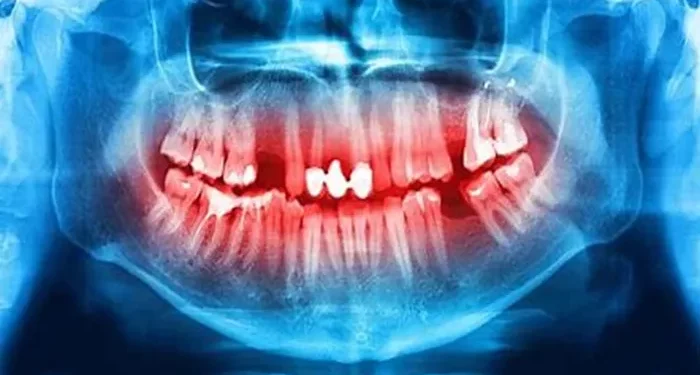
Tooth decay is one of the most common health problems worldwide, affecting billions of people across all age groups. While we often talk about “having cavities,” it’s important to understand the dental professionals involved in diagnosing, treating, and preventing this widespread condition. This comprehensive guide explains the roles of various dental specialists in cavity care and what patients can expect at each stage of treatment.
General Dentists: Primary Cavity Care Providers
Routine Cavity Diagnosis and Treatment
General dentists handle:
- 85-90% of all cavity cases
- Comprehensive oral examinations
- X-rays and diagnostic tests
- Filling procedures
- Preventive care planning
Common Cavity Treatments Performed
Typical services include:
- Composite (tooth-colored) fillings
- Amalgam (silver) fillings
- Dental sealants
- Fluoride treatments
- Patient education
Pediatric Dentists: Children’s Cavity Specialists
Unique Aspects of Childhood Cavities
Special considerations:
- Different treatment approaches for baby teeth
- Behavior management techniques
- Growth and development factors
- Prevention-focused strategies
- Parental education components
Common Pediatric Cavity Treatments
Frequently used methods:
- Silver diamine fluoride applications
- Tooth-colored composite fillings
- Stainless steel crowns
- Protective dental sealants
- Hospital dentistry for complex cases
Restorative Specialists: Complex Cavity Cases
Prosthodontists
Handle advanced cases:
- Extensive tooth damage
- Multiple surface cavities
- Decay under existing crowns
- Complex bite problems
- Full mouth rehabilitation
Endodontists
Treat deep decay involving:
- Dental pulp infection
- Root canal therapy
- Cracked teeth with decay
- Dental abscesses
- Complex root anatomy
Surgical Specialists for Severe Cases
Oral Surgeons
Manage cases requiring:
- Extractions of non-restorable teeth
- Surgical access procedures
- Hospital-based treatments
- General anesthesia
- Complex impactions
Periodontists
Treat gum-related complications:
- Decay at gumline
- Root surface cavities
- Crown lengthening
- Regenerative procedures
- Combined gum/tooth issues
Dental Team Members in Cavity Care
Dental Hygienists
Preventive roles:
- Professional cleanings
- Fluoride applications
- Sealant placement
- Oral hygiene instruction
- Early cavity detection
Dental Assistants
Clinical support:
- Preparation of materials
- Chairside assistance
- Patient comfort measures
- Sterilization procedures
- Post-op instructions
Cavity Treatment Methods Explained
Non-Invasive Approaches
Early intervention options:
- Fluoride treatments
- Remineralization therapies
- Sealants for early lesions
- Antimicrobial agents
- Dietary modifications
Restorative Treatments
Common procedures:
- Direct fillings (composite, amalgam)
- Indirect restorations (inlays/onlays)
- Dental crowns
- Root canal therapy
- Tooth extraction when necessary
Step-by-Step Cavity Treatment Process
Diagnosis Phase
Comprehensive evaluation:
- Visual examination
- Dental explorer check
- Bitewing X-rays
- Laser detection devices
- Caries risk assessment
Treatment Phase
Clinical procedures:
- Local anesthesia
- Tooth isolation
- Decay removal
- Tooth preparation
- Restoration placement
Follow-Up Phase
Aftercare includes:
- Bite adjustment
- Polishing
- Post-op instructions
- Recall scheduling
- Preventive counseling
Special Considerations by Age Group
Children’s Cavities
Unique factors:
- Primary teeth anatomy
- Behavior management
- Parental involvement
- Growth considerations
- Prevention focus
Adult Cavities
Common concerns:
- Existing dental work
- Gum recession
- Tooth sensitivity
- Aesthetic demands
- Long-term durability
Elderly Patients
Special needs:
- Root surface decay
- Dry mouth issues
- Existing crowns/bridges
- Dexterity challenges
- Medication considerations
Technology in Modern Cavity Care
Diagnostic Advances
Innovative tools:
- Digital X-rays
- Laser fluorescence devices
- Intraoral cameras
- 3D imaging
- AI-assisted analysis
Treatment Innovations
Modern options:
- CAD/CAM same-day crowns
- Air abrasion technology
- Dental lasers
- Bioactive materials
- Nanotechnology applications
Pain Management During Treatment
Local Anesthesia
Standard approach:
- Topical numbing gel
- Comfortable injections
- Fast-acting formulas
- Long-lasting options
- Computer-controlled delivery
Sedation Options
For anxious patients:
- Nitrous oxide
- Oral sedation
- IV sedation
- General anesthesia (rare)
- Behavioral techniques
Aftercare and Maintenance
Immediate Post-Treatment Care
Typical guidelines:
- Wait until numbness wears off
- Avoid extreme temperatures
- Practice gentle hygiene
- Monitor for any issues
- Follow all instructions
Long-Term Preservation
Maintaining dental health:
- Excellent daily cleaning
- Regular checkups
- Protective night guards
- Avoid harmful habits
- Prompt attention to problems
Cost and Insurance Considerations
Treatment Expenses
Price ranges:
- Fillings: 100?100?400
- Crowns: 800?800?1500
- Root canals: 700?700?1500
- Extractions: 150?150?400
- Preventive care: 50?50?200
Insurance Coverage
Typical policies:
- Preventive services: 100%
- Basic restorations: 70-80%
- Major services: 50%
- Annual maximum limits
- Waiting periods may apply
Conclusion
Cavity care involves a team of dental professionals, from general dentists handling routine cases to specialists managing complex conditions. Modern dentistry offers a range of treatment options from preventive approaches to advanced restorations, all aimed at preserving natural teeth whenever possible.
The best outcomes result from early detection through regular dental visits, allowing for more conservative treatments. With today’s technology and techniques, cavity treatment is more comfortable and effective than ever before. Maintaining excellent oral hygiene and following your dentist’s recommendations are key to preventing new cavities and protecting your dental work.
If you suspect you have cavities or are due for a checkup, don’t delay professional care. The right dental provider can assess your specific needs and recommend the most appropriate treatment approach for your oral health.
Related topic:
- Does Delta Dental Insurance Cover Cavities?
- Does Dental Insurance Cover Fillings for Cavities?
- Does Dental Insurance Cover Treatment for Cavities?
Tags: Dental Insuranceteethtooth