


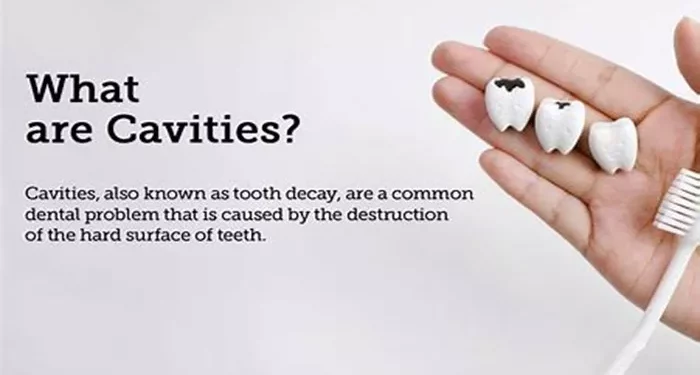
Cavities, also known as dental caries, are a common dental problem. Many people notice that cavities often appear as black or dark spots on teeth. But why do they turn black? This article explains the science behind the color of cavities in simple terms.
What Are Cavities?
Definition of Dental Caries
Cavities are areas of tooth decay caused by bacteria in the mouth. These bacteria produce acids that break down tooth enamel, the hard outer layer of teeth. Over time, this leads to holes or pits in the tooth.
AI Call Centers Are Quietly Rewriting SupportGoodreturns | SponsoredSponsored Learn More
Stages of Tooth Decay
Tooth decay happens in stages:
If Your Dog Does This, Here’s What It Means5minstory.com | SponsoredSponsored
- Initial Demineralization – Bacteria weaken enamel, causing white spots.
- Enamel Decay – The enamel breaks down, forming small cavities.
- Dentin Decay – Decay spreads to the softer dentin layer beneath the enamel.
- Pulp Damage – Bacteria reach the tooth’s nerve, causing pain.
At later stages, cavities often turn dark.
Frankfurt Am Main Banks Offer Record Interest Rates [See More]ircde.net | SponsoredSponsored Click Here
Why Do Cavities Turn Black?
Bacterial Activity and Pigmentation
The main reason cavities appear black is due to bacteria and their byproducts. Harmful bacteria like Streptococcus mutans and Lactobacillus produce acids and pigments as they feed on sugars in the mouth. Over time, these pigments stain the decaying tooth structure.
Breakdown of Tooth Structure
As enamel and dentin decay, they become porous. Food particles, drinks (like coffee or tea), and bacterial waste can seep into these tiny holes, causing dark discoloration.
Staining from Food and Drinks
Dark-colored foods and beverages (such as coffee, tea, red wine, and cola) can stain weakened tooth surfaces. Since decayed areas are rougher, they absorb stains more easily than healthy enamel.
Dead Tooth Tissue
In advanced decay, the inner pulp (nerve) of the tooth may die. This can cause the tooth to darken from the inside, making cavities appear black or brown.
Other Possible Colors of Cavities
Not all cavities are black. Depending on the stage and cause, they can also appear:
- White or chalky – Early decay (demineralization).
- Yellow or brown – Moderate decay in dentin.
- Black or dark brown – Advanced decay or long-term staining.
How to Prevent Cavities
Good Oral Hygiene
- Brush twice daily with fluoride toothpaste.
- Floss daily to remove plaque between teeth.
- Use an antibacterial mouthwash.
Diet Choices
- Limit sugary and acidic foods.
- Drink water to rinse away food particles.
- Eat calcium-rich foods to strengthen enamel.
Regular Dental Visits
- Get professional cleanings every six months.
- Dentists can detect early decay before it turns black.
- Fluoride treatments and sealants help protect teeth.
Treatment for Black Cavities
Fillings
If caught early, dentists remove decay and fill the cavity with composite (tooth-colored) or amalgam (silver) fillings.
Root Canal Therapy
If decay reaches the pulp, a root canal may be needed to remove infected tissue and save the tooth.
Crowns
Large cavities may require a crown to restore the tooth’s shape and function.
Tooth Extraction
In severe cases, the tooth may need removal if it cannot be saved.
Conclusion
Cavities turn black due to bacterial pigments, staining from food, and the breakdown of tooth structure. Preventing decay with good oral care and regular dental visits is the best way to avoid black spots on teeth. If you notice dark areas on your teeth, see a dentist promptly to prevent further damage.
By understanding why cavities are black, you can take better care of your teeth and maintain a healthy smile.